
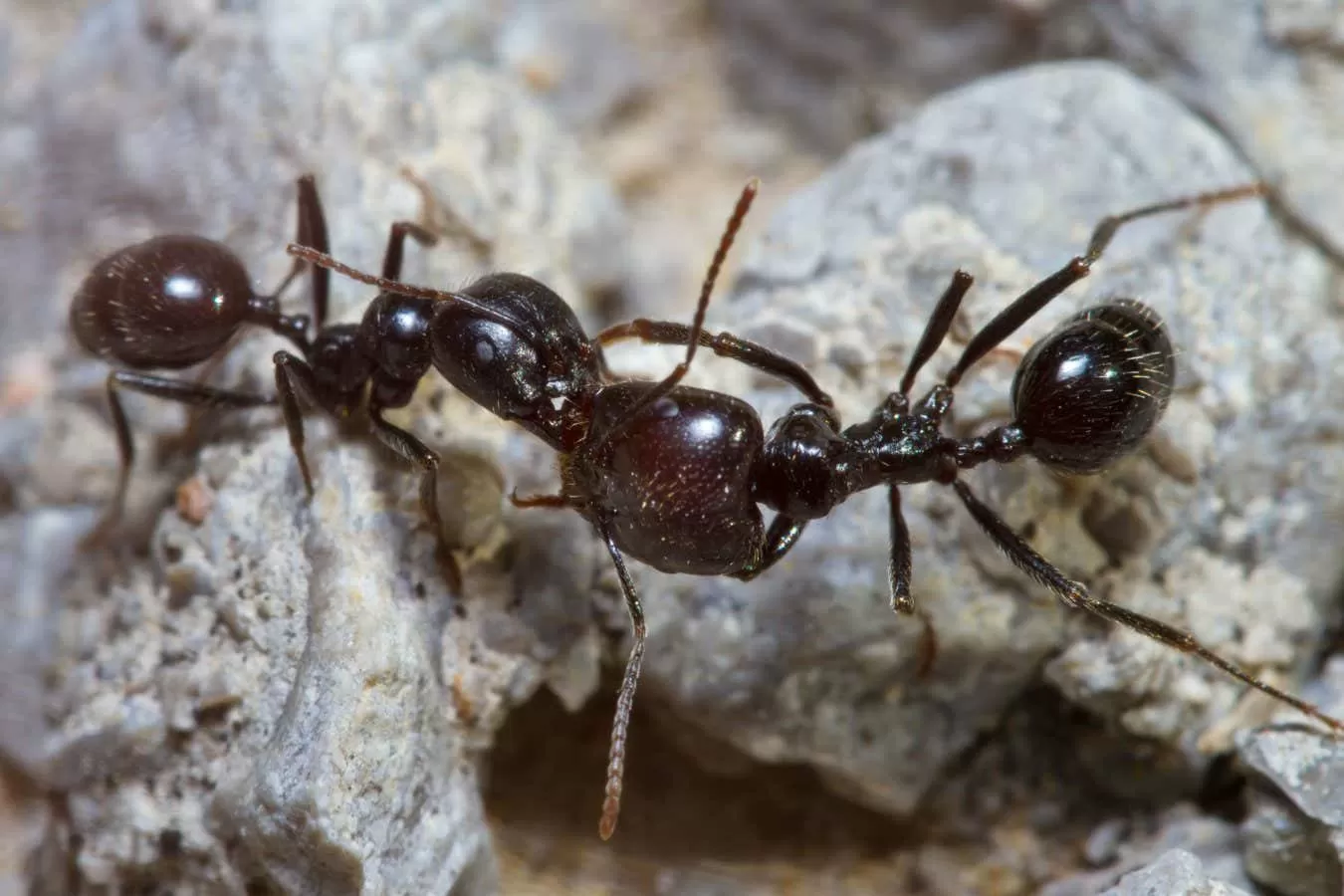
Ants are fascinating creatures that have been around for millions of years. They have evolved to become one of the most successful species on the planet, with over 12,000 known species and a total population estimated to be in the trillions. One of the reasons for their success is their highly organized social structure, where each ant has a specific role to play in the colony. But what is even more remarkable is their ability to communicate and recognize each other through scent.
Ants rely heavily on scent to communicate with each other. They use pheromones, which are chemical signals, to mark their trails, identify food sources, and even recognize their comrades. This unique form of communication is crucial for the survival of the colony as it helps them to work together efficiently and effectively.
However, recent studies have shown that exposure to common air pollutants can disrupt this delicate communication system and cause confusion among ants. When ants are exposed to pollutants such as ozone, nitrogen dioxide, and sulfur dioxide, they react as if their fellow ants are enemies. This is because these pollutants interfere with the pheromones and disrupt the ants’ ability to recognize each other.
In a study conducted by the University of Melbourne, ants were exposed to varying levels of ozone, a common air pollutant. The results were startling. The ants exposed to high levels of ozone showed aggressive behavior towards their fellow ants, attacking them as if they were intruders. On the other hand, the ants that were not exposed to ozone showed normal behavior and worked together harmoniously.
This study highlights the detrimental effects of air pollution on the intricate social structure of ants. Just like humans, ants rely on their sense of smell to navigate their surroundings and communicate with each other. When this sense is disrupted, it can lead to confusion and conflict within the colony.
But why are ants so sensitive to air pollutants? The answer lies in their anatomy. Ants have specialized receptors in their antennae, which are responsible for detecting pheromones. These same receptors are also sensitive to air pollutants, making ants highly vulnerable to their effects.
Moreover, ants live in close proximity to each other, making them more susceptible to air pollution. In urban areas, where air pollution levels are high, ants are constantly exposed to these pollutants, making it difficult for them to function properly. This not only affects their social structure but also their foraging and hunting abilities, which are crucial for the survival of the colony.
The impact of air pollution on ants is not limited to their behavior. It can also affect their reproduction and overall health. Studies have shown that exposure to air pollutants can lead to a decrease in ant population and even cause deformities in ant larvae.
So, what can we do to protect these tiny but mighty creatures from the harmful effects of air pollution? The first step is to reduce our own carbon footprint. By reducing our use of fossil fuels and opting for cleaner energy sources, we can help reduce air pollution levels. Governments and policymakers also have a crucial role to play in implementing stricter regulations to control air pollution.
In addition, we can also create ant-friendly environments in our own backyards. Planting native plants and avoiding the use of pesticides can provide a safe haven for ants and other insects. This not only benefits the ants but also contributes to the overall health of our ecosystem.
Ants may be small, but they play a vital role in maintaining the balance of our ecosystem. Their highly organized social structure and unique form of communication make them a fascinating species to study. However, their dependence on scent also makes them vulnerable to the effects of air pollution. It is our responsibility to protect these tiny creatures and ensure their survival for generations to come.
In conclusion, ants are not just mindless insects scurrying around. They are intelligent creatures that rely on scent to recognize their comrades and work together for the greater good of their colony. As we continue to battle against air pollution, let us not forget the impact it has on all living beings, including these tiny but mighty ants. Let us work towards creating a cleaner and healthier environment for all.
