
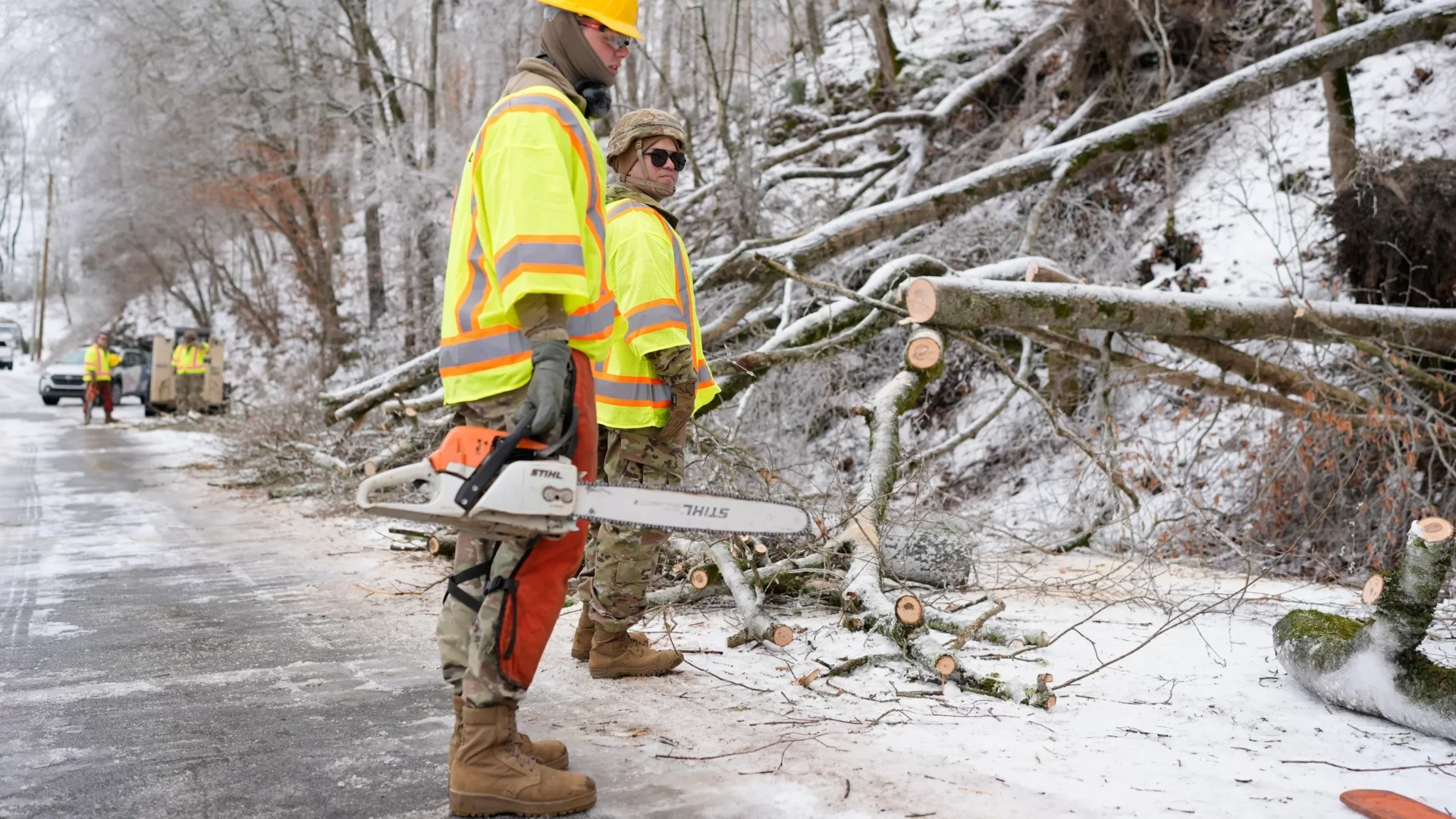
School systems across the Southeast are facing a challenging start to the new year as weather-related school closures continue for the second week in a row. From icy roads to heavy snowfall, the extreme weather conditions have forced many schools to shut down, disrupting the normal schedule and causing a loss of valuable instructional time for students.
As the safety and well-being of students and staff remain the top priority, school officials have been left with the difficult decision of whether to close schools or find alternative ways to continue education. With the unpredictable nature of weather, many schools have turned to remote learning as a solution to ensure that students do not fall behind in their studies.
Remote learning, also known as online learning, has become an increasingly popular option for schools in recent years. It allows students to access educational materials and complete assignments from the comfort of their own homes. With the advancement of technology, remote learning has become a viable option for schools to continue education during unforeseen circumstances such as weather-related closures.
Many schools across the Southeast have successfully implemented remote learning during this period of extreme weather. Students are able to log in to their virtual classrooms and participate in live lectures, access course materials, and submit assignments online. This not only ensures that students do not miss out on important lessons but also keeps them engaged and motivated to continue their learning despite the challenges.
While remote learning may not be a perfect solution, it has proven to be an effective way to minimize the impact of weather-related school closures. It allows students to stay connected with their teachers and classmates, ensuring that they do not fall behind in their studies. It also provides a sense of normalcy during these uncertain times and helps students maintain a routine, which is crucial for their academic success.
However, not all schools have the resources or infrastructure to implement remote learning. In such cases, school officials have had to come up with alternative plans to make up for the lost instructional time. One of the options being considered is adding more school days to the academic calendar.
While extending the school year may seem like a daunting task, it is a necessary step to ensure that students receive the education they deserve. The school systems in the Southeast have shown resilience and determination in tackling this challenge, with many schools already announcing plans to add extra days to the academic calendar.
Adding more school days may seem like a burden, but it is important to remember that education is the foundation of a successful future. The extra days will provide students with the opportunity to catch up on missed lessons and ensure that they are fully prepared for their exams. It also shows the dedication of school officials in providing the best education for their students, even in the face of adversity.
In addition to extending the school year, schools are also considering other creative ways to make up for lost instructional time. Some schools have proposed shortening breaks or adding extra hours to the school day. These solutions may seem unconventional, but they demonstrate the commitment of school systems in the Southeast to prioritize the education of their students.
As we navigate through these challenging times, it is important to remember that every cloud has a silver lining. The weather-related school closures have presented an opportunity for schools to explore alternative methods of education and have highlighted the resilience and adaptability of the school systems in the Southeast. It is a testament to the dedication and hard work of teachers, school officials, and students in ensuring that education continues despite the challenges.
In conclusion, while the weather-related school closures have caused disruptions, schools in the Southeast have shown resilience and determination in overcoming these challenges. The implementation of remote learning and the consideration of adding more school days demonstrate the commitment of school systems in providing the best education for their students. Let us continue to support and encourage our schools as they navigate through these difficult times, knowing that they are doing everything in their power to ensure the success of our students.
