
Barnacles are small marine animals that are known for their ability to attach themselves to underwater surfaces such as rocks, boats, and even whales. They do this using a natural “living glue” that is secreted from their bodies. This adhesive is incredibly strong and allows barnacles to withstand strong ocean currents and waves. But did you know that this same “living glue” could also be used to help heal gut wounds caused by inflammatory bowel disease?
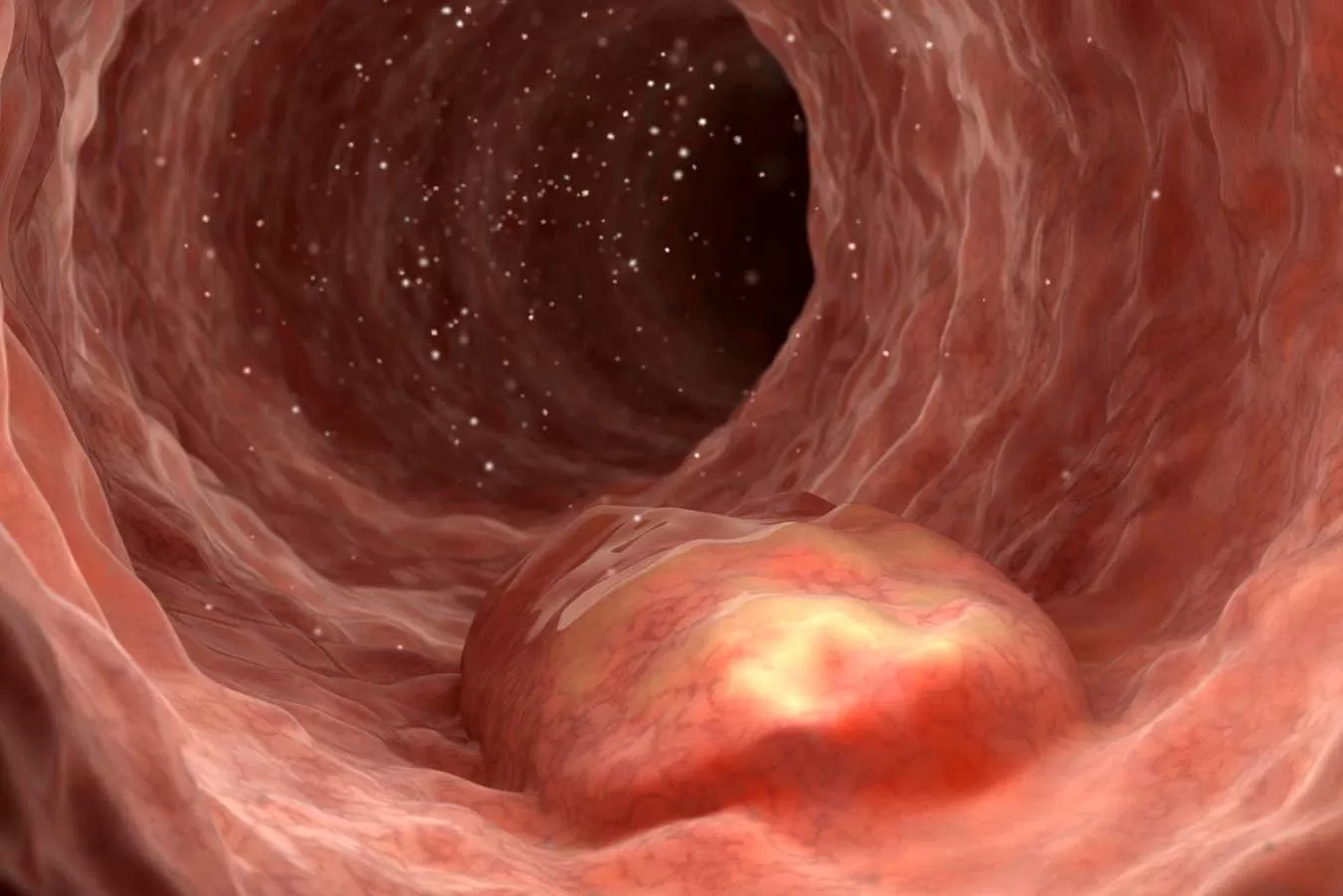
Inflammatory bowel disease, or IBD, is a chronic condition that causes inflammation in the digestive tract. It can lead to symptoms such as abdominal pain, diarrhea, and fatigue. One of the common complications of IBD is the development of gut wounds or ulcers. These wounds can be painful and difficult to heal, making it challenging for individuals suffering from IBD to manage their symptoms.
However, scientists have discovered that the “living glue” produced by barnacles could potentially be used to seal these gut wounds and promote healing. This living glue is made up of a protein called “barnacle cement” that is produced by special cells in the barnacle’s body. When this protein comes into contact with seawater, it forms a strong and water-resistant adhesive that allows the barnacle to stick to any surface.
But what makes this “living glue” so remarkable is its ability to stick to wet surfaces. This is a characteristic that traditional medical adhesives do not possess. Current medical adhesives, such as stitches and surgical seals, are only effective on dry surfaces. This means that in the case of gut wounds caused by IBD, traditional adhesives are not suitable for use. However, the “living glue” produced by barnacles could potentially solve this problem.
Scientists at the University of Portsmouth in the United Kingdom have been studying the properties of barnacle cement and have found that it could potentially be used to seal gut wounds caused by inflammatory bowel disease. They have conducted experiments on animal tissue and have successfully used the “living glue” to seal wounds in the gut. This discovery could be a game-changer for individuals suffering from IBD and could drastically improve their quality of life.
One of the benefits of using the “living glue” from barnacles is that it is non-toxic and does not cause any adverse reactions in the body. This makes it a safe and effective option for individuals with IBD who may already have weakened immune systems. Additionally, the “living glue” has a high biocompatibility, which means that it is compatible with the body and does not cause any harm to healthy tissues.
The potential use of barnacle cement in medicine is not limited to gut wounds caused by IBD. It could also have applications in other areas such as wound healing, tissue regeneration, and drug delivery. This versatile “living glue” has captured the interest of many scientists and researchers who are excited about its potential in the medical field.
The use of barnacle cement in medicine is still in its early stages, and more research is needed before it can be used in clinical settings. But the initial findings are promising, and scientists hope to further develop this “living glue” to make it suitable for human use. This could provide a new and innovative solution to the problem of gut wounds caused by inflammatory bowel disease.
In addition to its potential medical uses, the study of barnacle cement could also provide valuable insights into the development of new adhesive materials. Current synthetic adhesives are not as effective as the “living glue” produced by barnacles, and understanding its properties could lead to the creation of more efficient and versatile adhesives.
In conclusion, the discovery that barnacle cement could potentially be used to seal gut wounds caused by inflammatory bowel disease is a significant development in the field of medicine. This “living glue” has shown remarkable properties that make it a promising option for individuals suffering from IBD. With further research and development, this “living glue” could become a valuable tool in the treatment of gut wounds and possibly even other medical conditions.
