
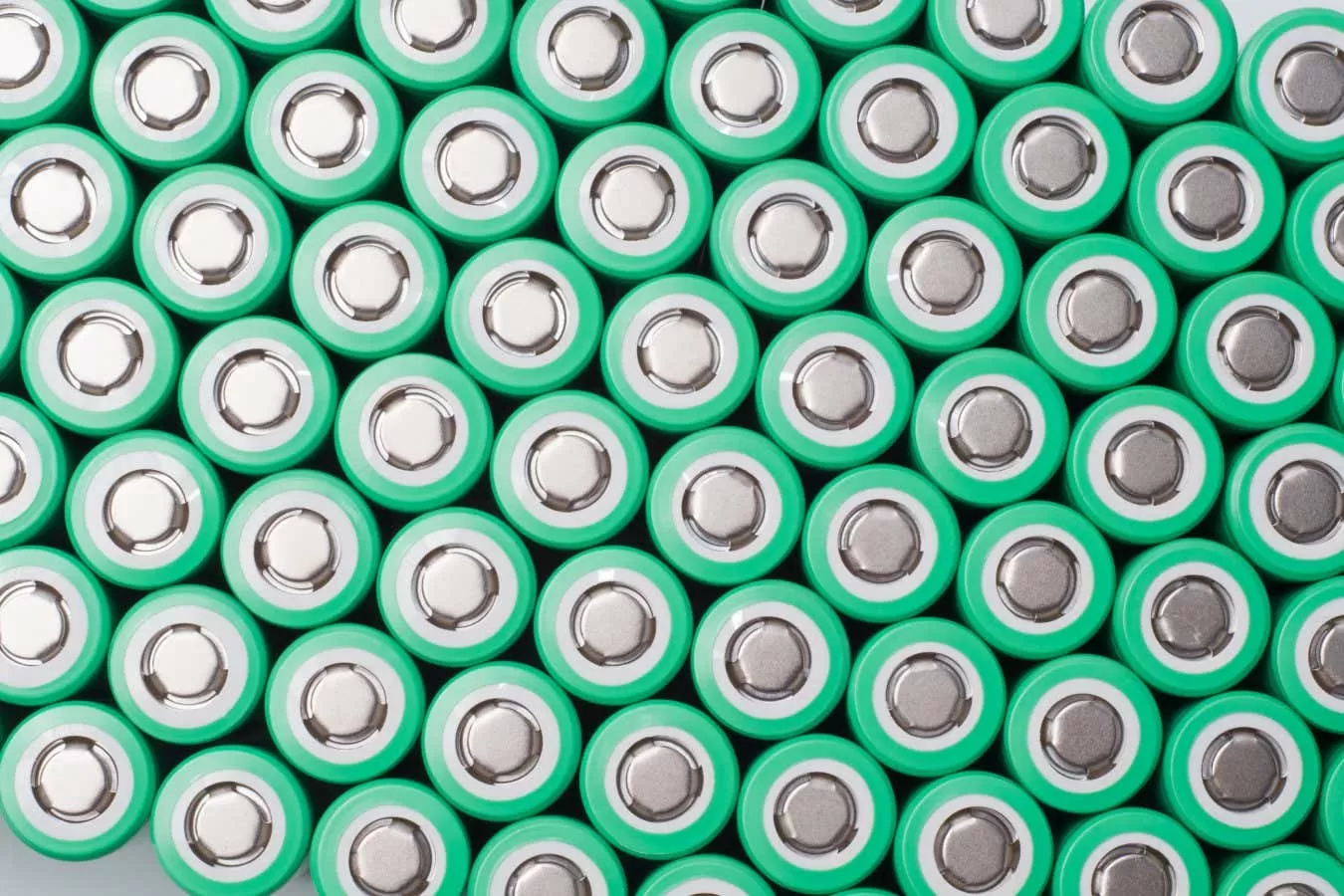
In today’s world, batteries are an essential part of our daily lives. From powering our smartphones to running our cars, batteries play a crucial role in keeping our devices and machines running smoothly. However, one of the biggest challenges faced by battery manufacturers is the limited lifespan of batteries. As we all know, batteries have a limited shelf life, and once they die, they end up in landfills, causing harm to the environment. This is why scientists and researchers have been working tirelessly to find ways to prolong battery life and reduce the environmental impact of discarded batteries.
One of the key components of a battery is its cathode, which is responsible for storing and releasing energy. The cathode is made up of a combination of materials, including lithium, cobalt, and nickel. These materials are highly reactive and can easily degrade, leading to a decrease in battery performance and lifespan. To combat this issue, scientists have been trying to develop a protective coating for the cathode that can prevent degradation and prolong battery life.
However, this has proven to be a challenging task. The protective coating needs to be thin, flexible, and highly conductive to allow the flow of ions and electrons. It also needs to be chemically stable and resistant to degradation from the highly reactive materials in the cathode. Finding a material that meets all these requirements has been a major roadblock in the development of a protective coating for the cathode.
But there may be a solution to this problem. Recent research has shown that a low-cost chemical solution could be the key to forming a protective coating that prolongs battery life at the cathode. This solution involves using a chemical compound called polyimide, which is commonly used in the electronics industry for its insulating properties. Polyimide is a highly stable and flexible material that can withstand high temperatures and chemical reactions, making it an ideal candidate for a protective coating.
The research, conducted by a team of scientists at the University of California, Berkeley, found that by coating the cathode with a thin layer of polyimide, they were able to significantly improve the battery’s performance and lifespan. The polyimide coating acted as a barrier, preventing the highly reactive materials in the cathode from degrading and thus prolonging the battery’s life. The coating also improved the battery’s charging and discharging rates, making it more efficient.
What makes this solution even more promising is its low cost. Polyimide is a widely available and inexpensive material, making it a viable option for large-scale battery production. This means that the cost of batteries could potentially be reduced, making them more accessible to the general public.
The potential of this low-cost chemical solution has sparked excitement in the scientific community, with many experts hailing it as a breakthrough in battery technology. Not only does it have the potential to prolong battery life, but it also has the added benefit of being environmentally friendly. By extending the lifespan of batteries, we can reduce the number of batteries that end up in landfills, thus reducing the environmental impact.
However, there is still more research to be done before this solution can be implemented on a large scale. The team at the University of California, Berkeley, is currently working on optimizing the coating process and testing its effectiveness on different types of batteries. They are also exploring the possibility of using other materials in combination with polyimide to further improve the protective coating.
In conclusion, the development of a protective coating that prolongs battery life at the cathode has been a challenging task for scientists. But with the discovery of a low-cost chemical solution, we may finally have a viable solution to this problem. This breakthrough has the potential to revolutionize the battery industry and make batteries more efficient, affordable, and environmentally friendly. With further research and development, we may soon see this solution being implemented in batteries all around us, making our lives easier and our planet greener.
