
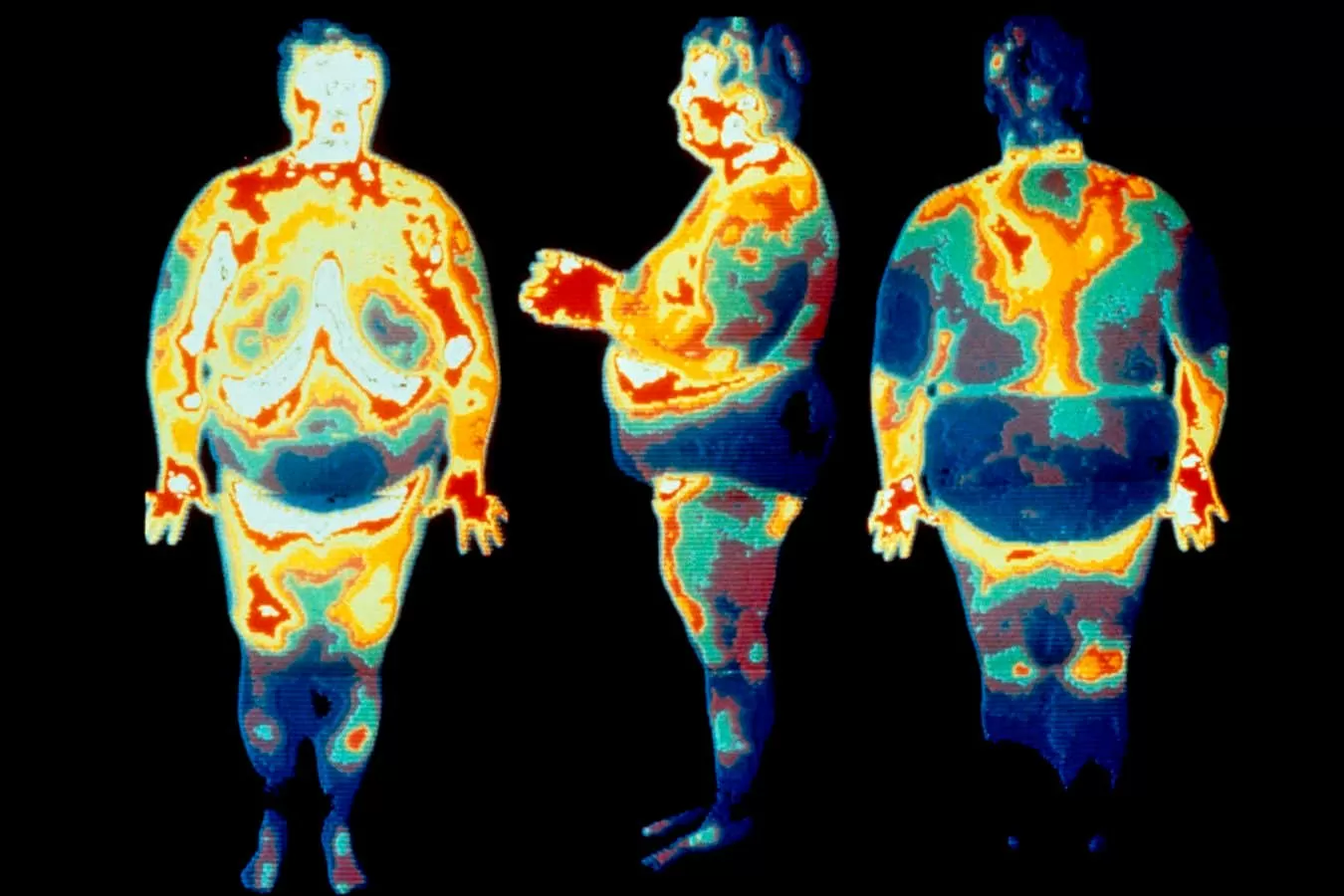
Body fat, or adipose tissue, has long been viewed as a storage unit for excess energy in our bodies. However, recent research has shed new light on the functions of body fat and its impact on our overall health. Evidence is mounting that our body fat actually plays a crucial role in supporting our bone health, mood, and even blood pressure and immunity.
According to a recent study published in the journal Cell Reports, body fat has been found to regulate blood pressure and immunity. This is a groundbreaking discovery that challenges the traditional view of body fat as simply a reservoir for energy. Researchers have found that a specialized type of fat, known as adipose tissue macrophages, secretes a protein called adiponectin that helps regulate blood pressure.
This protein acts as a messenger between the brain and the adipose tissue, releasing signals that control blood pressure. This is especially important as high blood pressure can lead to serious health issues such as heart disease and stroke. Adiponectin not only helps regulate blood pressure, but also plays a role in preventing inflammation in our bodies.
Another study, published in the Journal of Clinical Investigation, has shown that body fat also plays a key role in regulating our immune response. Adipose tissue macrophages, along with other immune cells, work together to protect our bodies from infection and disease. These cells produce cytokines, which are proteins that help regulate our immune system and fight against harmful invaders.
In addition to regulating blood pressure and immunity, body fat has also been found to support our bone health. A study published in the Journal of Endocrinology found that a specific type of body fat called brown adipose tissue, or “good fat”, helps stimulate bone growth and increase bone density. This is especially important as we age and our bones become more susceptible to fractures and other bone-related diseases.
So, it’s clear that our body fat is much more than just a storage unit. It is a vital part of our overall health and plays a role in maintaining our body’s systems. But how exactly does body fat regulate all of these functions?
One explanation is that body fat produces hormones, such as adiponectin, that act as messengers between different parts of our body. These hormones help regulate our metabolism, immune system, and other processes. Another theory is that body fat contains stem cells, which are responsible for repairing and regenerating our body’s tissues.
While more research is needed to fully understand the mechanisms behind the role of body fat in our health, one thing is clear – it is not something we should simply try to get rid of. In fact, too little body fat can lead to serious health problems, including hormonal imbalances and weakened immune system.
This newfound understanding of body fat has important implications for our approach to weight loss and maintenance. Rather than focusing solely on losing weight, we should also be mindful of maintaining a healthy level of body fat. This means following a balanced diet and engaging in regular physical activity to promote overall health and well-being.
Moreover, the negative stigma around body fat should be removed. Many people strive for a slim and toned physique, but our bodies need a certain amount of fat to function properly. Instead of trying to eradicate it, we should learn to appreciate and take care of our body fat.
In conclusion, evidence is mounting that our body fat supports a wide range of functions in our body, from regulating blood pressure and immunity to supporting bone health. It’s time to change our perspective on body fat and recognize its importance in our overall health. Let’s embrace and take care of our body fat, and in doing so, support our body’s incredible ability to regulate and maintain itself.
