
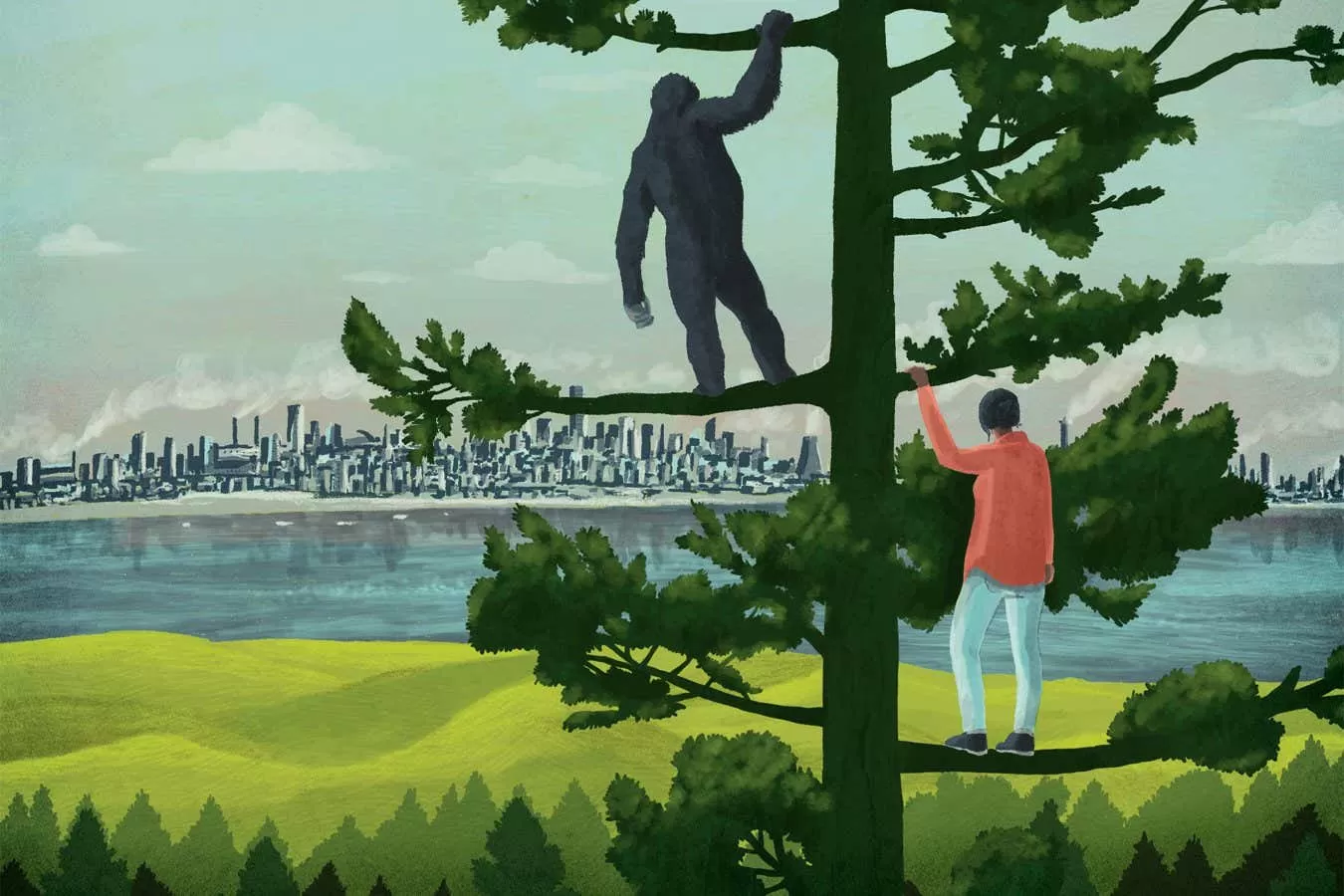
In the past, humans have often viewed themselves as the superior species on this planet. We have prided ourselves on our intelligence, our ability to communicate and our advanced skills. This belief in human exceptionalism has led us to believe that we are the only species capable of complex emotions, problem-solving and the use of tools. However, recent research has shown that this is not the case. Our growing understanding of how other animals also share skills and knowledge is helping us to chip away at the folly of human exceptionalism.
Philippa Brakes and Marc Bekoff, two renowned animal behaviorists, have been at the forefront of this movement. They have dedicated their lives to studying and understanding the behavior of various animal species. Through their research, they have discovered that animals possess a wide range of skills and knowledge that were previously thought to be unique to humans.
One of the most fascinating findings is the ability of animals to use tools. For a long time, humans believed that we were the only species capable of creating and using tools. However, we now know that animals such as chimpanzees, crows, and dolphins also use tools to solve problems and make their lives easier. For example, chimpanzees use sticks to extract termites from their nests, crows use sticks to extract insects from crevices, and dolphins use sponges to protect their snouts while foraging for food. This shows that animals are not only capable of using tools, but they also have the intelligence to create and adapt them for their specific needs.
Another aspect of human exceptionalism that has been challenged is our emotional complexity. For a long time, it was believed that animals did not experience emotions in the same way that humans do. However, research has shown that animals also have a wide range of emotions, including joy, fear, anger, and even empathy. For example, elephants have been observed mourning the death of their loved ones, and dogs have been known to comfort their owners when they are upset. This highlights the fact that animals are not emotionless creatures, but rather they experience a wide range of emotions just like humans do.
Furthermore, animals also possess a remarkable ability to communicate with each other. While humans have developed complex languages, animals have their own unique ways of communicating. For example, bees use dance to communicate the location of food sources, and dolphins use a series of clicks and whistles to communicate with each other. This shows that animals have their own sophisticated ways of communicating and understanding each other, which is a skill that was once thought to be exclusive to humans.
The growing understanding of how animals share skills and knowledge has also shed light on the concept of culture in the animal kingdom. Culture is defined as the transmission of behaviors and traditions from one generation to the next. For a long time, it was believed that only humans had culture, but now we know that animals also have their own unique cultures. For example, different groups of chimpanzees have been observed using different tools and techniques to solve the same problem, which shows that they have their own cultural traditions. This challenges the notion that humans are the only species capable of passing down knowledge and skills to future generations.
The discovery of these remarkable abilities in animals has helped us to chip away at the folly of human exceptionalism. It has shown us that we are not as unique as we once thought and that we share many skills and traits with other species. This realization has important implications for how we treat and interact with animals. It is no longer justifiable to view animals as inferior beings, but rather as intelligent and complex creatures that deserve our respect and compassion.
Moreover, understanding the skills and knowledge of animals can also benefit us in many ways. By studying their behavior, we can learn new techniques and strategies that can be applied to our own lives. For example, the way bees communicate with each other has inspired the development of new communication technologies. By recognizing and appreciating the abilities of animals, we can also learn to coexist with them in a more harmonious and sustainable way.
In conclusion, our growing understanding of how other animals also share skills and knowledge is a significant step towards breaking down the concept of human exceptionalism. It has shown us that we are not the only intelligent and emotional beings on this planet, and that animals possess a wide range of skills and abilities that were once thought to be unique to humans. This realization has the power to change our perspective and behavior towards animals, and ultimately lead
