
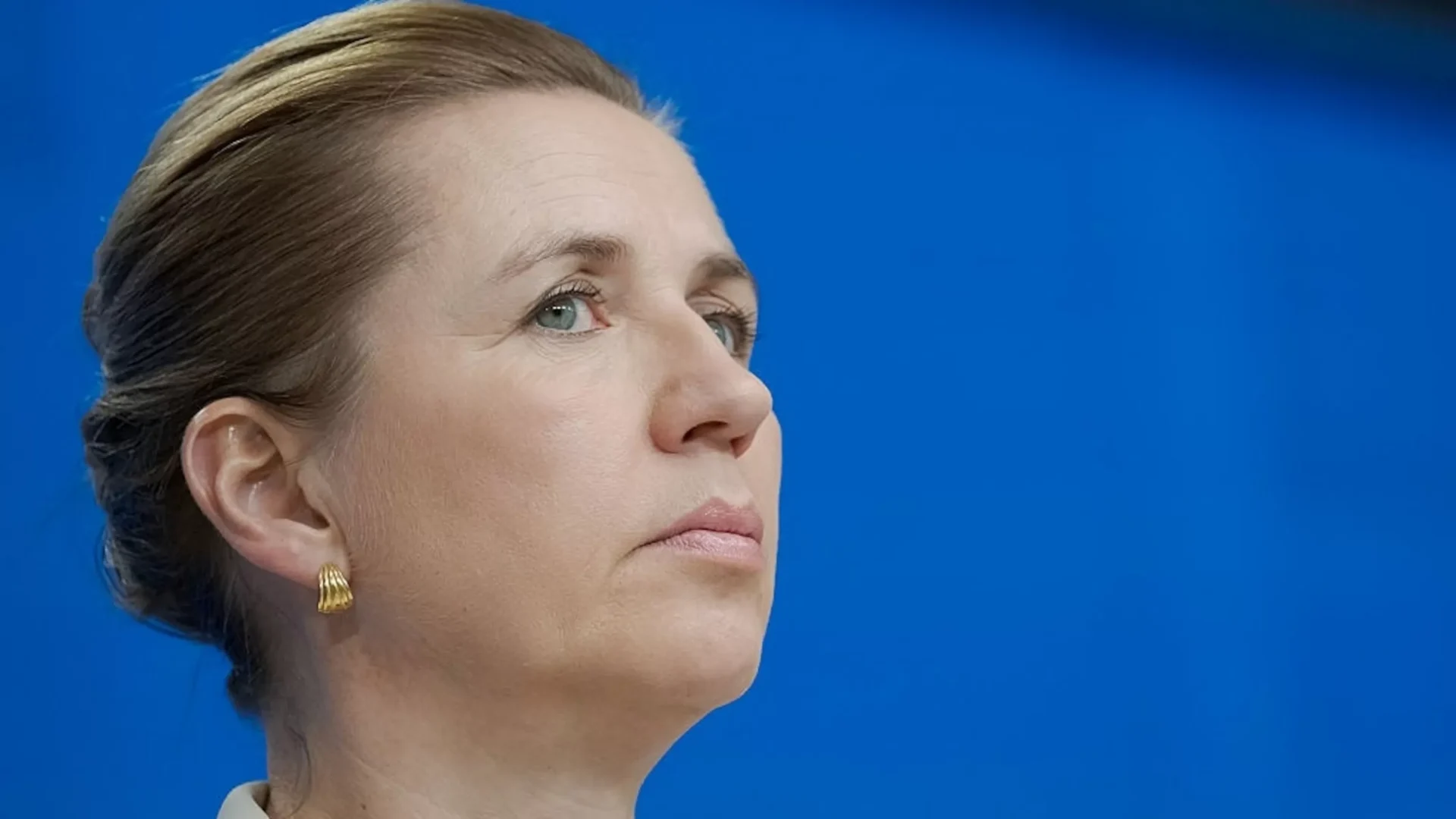
The Prime Minister of Denmark, Mette Frederiksen, has called on President Donald Trump to “stop the threats” of the United States annexing Greenland. This call comes after renewed comments from President Trump sparked international attention and concern.
Greenland, the world’s largest island, has been a self-governing territory of Denmark since 1979. However, in recent weeks, President Trump has expressed interest in purchasing Greenland from Denmark, citing its strategic location and natural resources.
President Trump’s comments have been met with backlash and criticism from both Danish and Greenlandic officials. Prime Minister Frederiksen has made it clear that Greenland is not for sale and that any discussion of the island’s sovereignty must involve the Greenlandic people.
In a statement to the press, Prime Minister Frederiksen said, “Greenland is not for sale. Greenland is not Danish, it’s Greenlandic. I strongly hope that this is not meant seriously.” She also emphasized the importance of dialogue and cooperation between the United States and Denmark.
This is not the first time that President Trump’s interest in Greenland has caused controversy. In 2019, he canceled a state visit to Denmark after Prime Minister Frederiksen called his suggestion of purchasing Greenland “absurd.” However, this recent call to “stop the threats” is a new development in the ongoing discussion of Greenland’s future.
The international community has also weighed in on the issue, with many expressing concern over the potential consequences of the United States acquiring Greenland. The United Kingdom, a close ally of the United States, has stated that they have no interest in purchasing Greenland and that they support Denmark’s sovereignty over the island.
Greenland’s government has also firmly rejected any notion of being bought or sold. In a statement, the Greenlandic government said, “Greenland is rich in valuable resources, but we’re rich because of our people and our natural beauty. We’re open for business, not for sale.”
The renewed attention on Greenland has also sparked discussions about the island’s strategic importance in a rapidly changing Arctic landscape. With climate change melting the polar ice caps, the Arctic is becoming more accessible, making it a potential hub for trade and resources. As a result, many countries, including the United States, are looking to increase their presence in the region.
However, Prime Minister Frederiksen has made it clear that the sovereignty of Greenland is not up for negotiation. “We will continue our dialogue with the United States, but the Greenlandic people must be heard and involved in any discussions,” she stated.
The relationship between the United States and Denmark has been a strong and long-standing one, based on shared values and mutual respect. Both countries have worked closely on various issues, including security, trade, and humanitarian aid.
Furthermore, the United States and Denmark have a history of cooperation in the Arctic, with the two countries working together to address the challenges and opportunities in the region. It is essential that this cooperation continues, with open and respectful dialogue between the two nations.
In conclusion, Prime Minister Frederiksen’s call for President Trump to “stop the threats” of the United States annexing Greenland is a clear message that the sovereignty of Greenland is not up for negotiation. It is crucial to involve the Greenlandic people in any discussions about the island’s future and to continue the strong and cooperative relationship between the United States and Denmark. Let us focus on working together for the betterment of all and leave behind any ideas of division or acquisition.
