
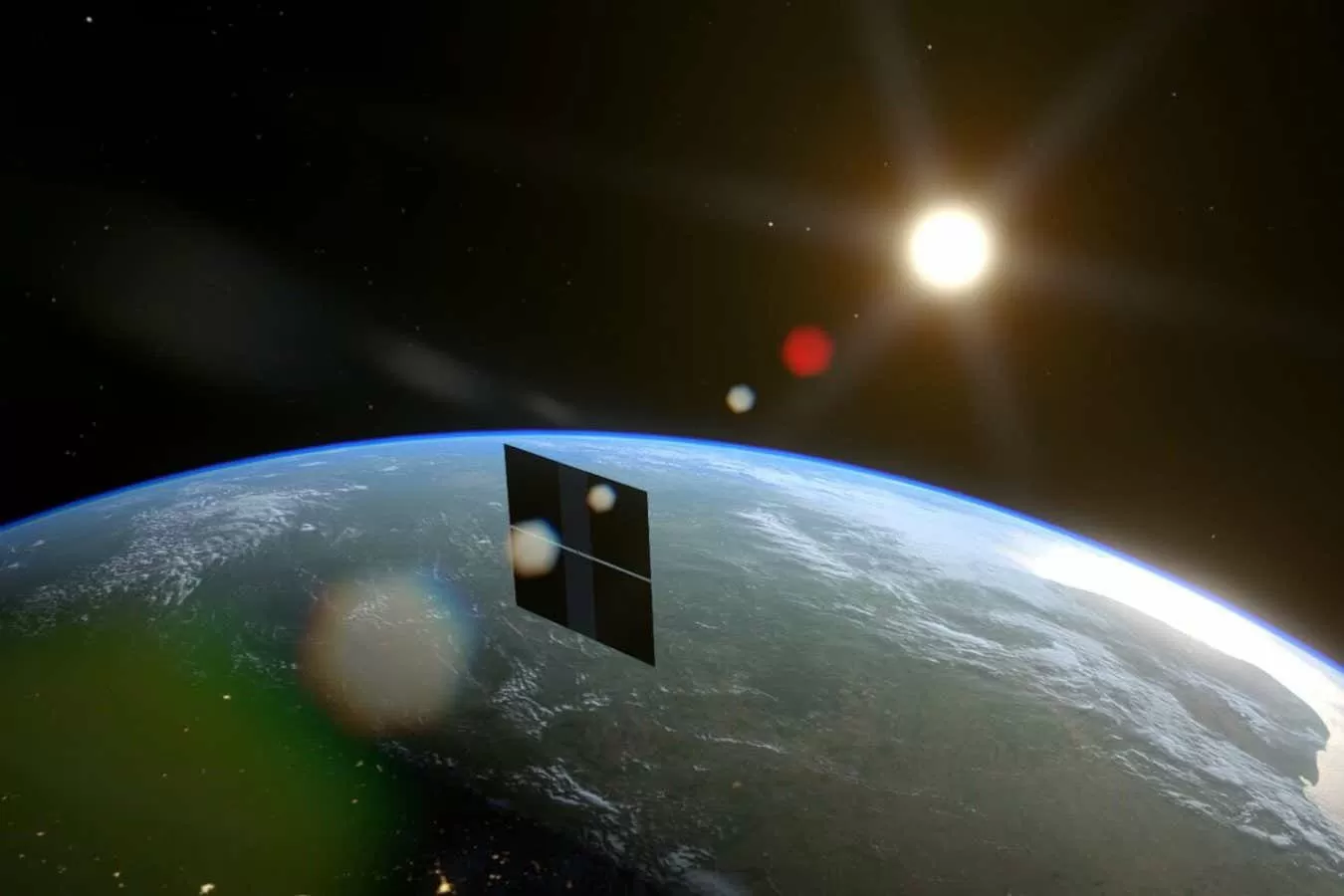
As technology continues to advance at an exponential rate, the idea of building data centres in space has moved from science fiction to a potential reality. With the increasing demand for data storage and processing, the need for more efficient and advanced data centres has become a pressing issue. However, the idea of building data centres in space presents a whole new set of challenges for engineers and scientists to overcome.
One of the biggest engineering problems that needs to be solved before we can build data centres in space is the issue of power. In order to operate, data centres require a significant amount of energy, and in space, traditional energy sources such as fossil fuels are not viable options. This is where massive solar panels come into play. These panels would need to be designed and built to withstand the harsh conditions of outer space while providing enough energy to power the data centre. This would require extensive research and development in the field of solar technology, as well as innovative engineering solutions to ensure the panels are efficient and durable.
Another major challenge is the difficulty of staying cool in space. On Earth, data centres are kept cool through air conditioning systems, but in space, this is not an option. This is because there is no atmosphere in space to transfer heat away from the data centre. Engineers would need to come up with new and innovative cooling systems that can effectively dissipate the heat generated by the servers. This could involve using liquid cooling systems or even using the cold temperatures of space itself to cool the data centre.
In addition to these engineering challenges, there are also the high-energy radiation levels in space to contend with. Radiation from the sun and cosmic rays can damage electronic components and disrupt the functioning of a data centre. Engineers would need to design shielding and protection systems to prevent these harmful particles from reaching the sensitive equipment inside the data centre. This would require extensive testing and experimentation to ensure the effectiveness of these protective measures.
However, despite these challenges, the potential benefits of building data centres in space are too great to ignore. One major advantage is the unlimited space available in space. On Earth, land is a limited resource, and as data centres continue to expand, finding suitable locations to build them becomes increasingly difficult. In space, there is an abundance of space, allowing for the construction of larger and more advanced data centres.
Another benefit is the lack of gravity in space. On Earth, the constant force of gravity can cause stress and strain on the structure and components of a data centre. In space, this is not an issue, meaning that data centres could be built with lighter and more fragile materials, reducing the overall weight and cost of the construction.
Furthermore, data centres in space would also be able to take advantage of the Earth’s natural rotation, allowing them to be in constant motion and access different parts of the world at different times. This would greatly improve the efficiency and speed of data transfer, making it possible to connect remote areas of the world to the internet and other data networks.
In conclusion, the idea of building data centres in space presents numerous engineering challenges that need to be overcome. From developing massive solar panels to finding innovative cooling and radiation protection systems, engineers have their work cut out for them. However, the potential benefits of such a venture cannot be ignored. With unlimited space, no gravity, and improved data transfer speeds, data centres in space could revolutionize the way we store and process data. It is an ambitious and exciting project that has the potential to push the boundaries of engineering and technology, and I have no doubt that with determination and innovation, these challenges will be overcome, and data centres in space will become a reality.
