
The AI industry has been making significant strides in recent years, revolutionizing how we live and work. From self-driving cars to virtual assistants, artificial intelligence has become an integral part of our daily lives. However, as this industry continues to grow, it is facing a new challenge – the need for memory chips.
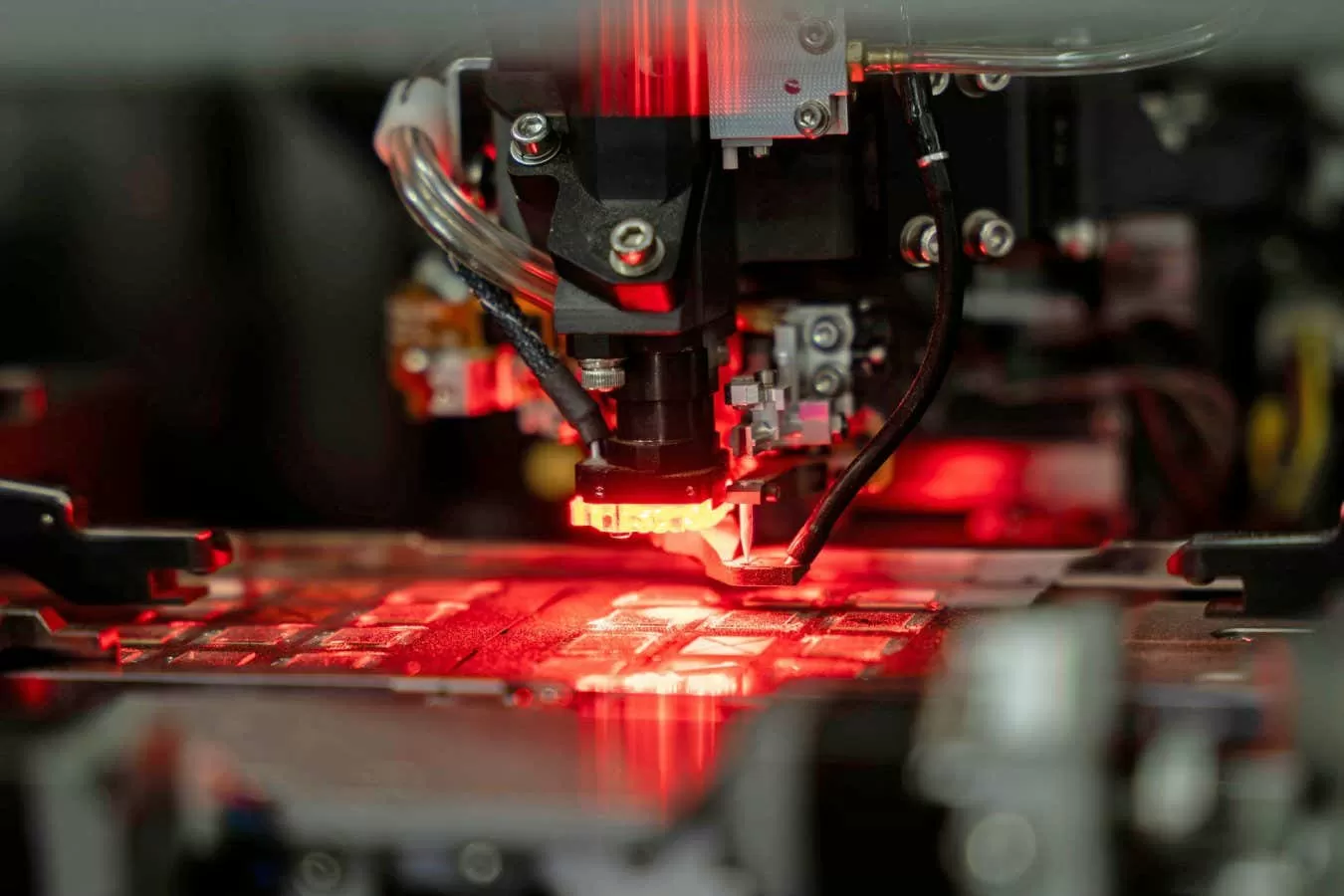
Memory chips, also known as dynamic random access memory (DRAM), are essential components used in laptops, smartphones, and games consoles to store and retrieve data. With the increasing demand for AI technology, these chips are now in high demand, and their scarcity is causing concern among experts.
The AI industry is known for consuming vast amounts of energy, fresh water, and investor cash. Now, the need for memory chips has added to this list. This has raised questions about the industry’s sustainability and its impact on the environment.
One of the main reasons for the high demand for memory chips is the growing use of deep learning in AI. Deep learning is a subset of machine learning that uses neural networks to analyze large amounts of data. It requires a significant amount of memory to process and store this data, making memory chips a crucial component in AI systems.
Moreover, the rise of edge computing has also contributed to the demand for memory chips. Edge computing involves processing data closer to where it is generated, rather than sending it to a centralized server. This requires more memory to be integrated into devices, such as self-driving cars and smart home systems, to handle the data processing locally.
The shortage of memory chips has resulted in increased prices, making it more expensive for AI companies to develop and maintain their systems. This, in turn, affects the cost of AI products and services, making them less accessible to the general public.
The scarcity of memory chips also has a significant impact on the environment. The production of these chips requires a considerable amount of water, which is becoming an increasingly scarce resource. In addition, the manufacturing process emits greenhouse gases, contributing to climate change.
However, the AI industry is not sitting idly by. Companies are investing in research and development to find alternative solutions to the memory chip shortage. One approach is to develop new types of memory, such as resistive random-access memory (RRAM) and phase-change memory (PCM). These types of memory have the potential to be faster and more energy-efficient than DRAM, making them ideal for AI applications.
Another solution is to improve the efficiency of memory usage. AI algorithms can be optimized to use less memory without compromising performance. This can be achieved through techniques such as pruning, which removes unnecessary connections in neural networks, and quantization, which reduces the precision of data stored in memory.
Furthermore, companies are also looking into developing memory chips specifically designed for AI applications. These chips would be more specialized and optimized for the unique needs of AI systems, reducing the dependency on traditional memory chips.
The AI industry is also taking steps to address its environmental impact. Many companies have committed to using renewable energy sources to power their data centers, reducing their carbon footprint. Additionally, research is being conducted to develop more sustainable methods of manufacturing memory chips.
The shortage of memory chips may seem like a significant challenge for the AI industry, but it also presents an opportunity for growth and innovation. As companies work towards finding solutions, we can expect to see advancements in both memory technology and AI systems.
In conclusion, the AI industry’s demand for memory chips is a pressing issue that needs to be addressed. However, it is also a testament to the industry’s growth and potential. With the industry’s determination to find solutions and its focus on sustainability, we can be confident that the future of AI will be bright and promising.
