
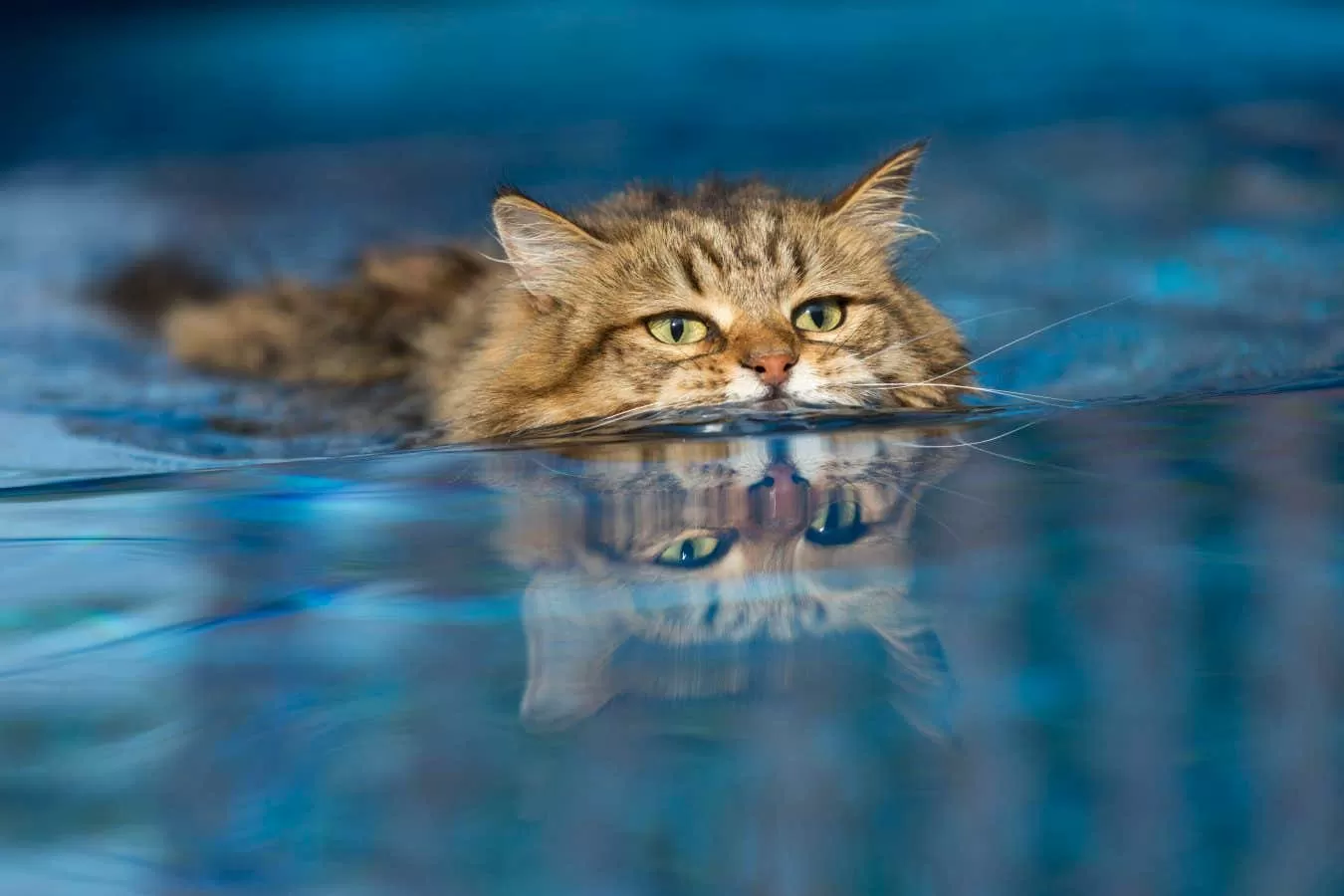
Vets have developed a training protocol to help cats benefit from water-based rehabilitation therapies, in spite of their natural aversion to water.
Cats are known for their graceful and independent nature, but when it comes to water, they can be quite the opposite. Most cats have a natural aversion to water and will do anything to avoid it. However, thanks to the dedication and expertise of veterinarians, cats can now benefit from water-based rehabilitation therapies.
Water-based rehabilitation therapies have been used for decades to help humans recover from injuries and surgeries. The buoyancy and resistance of water make it an ideal environment for low-impact exercises that can improve muscle strength, joint mobility, and overall physical fitness. However, it was not until recently that this form of therapy was introduced to the animal world.
Cats, being natural predators, have a strong instinct to avoid water. This can make it challenging for them to participate in water-based rehabilitation therapies. But with the help of a specialized training protocol developed by vets, cats can now overcome their aversion to water and reap the benefits of this form of therapy.
The training protocol involves a gradual and patient approach to introducing cats to water. It starts with simple activities like playing with toys in a shallow pool of water. As the cat becomes more comfortable, the depth of the water is gradually increased, and more challenging exercises are introduced. The key is to make the experience as positive and stress-free as possible for the cat.
One of the main benefits of water-based rehabilitation therapy for cats is its low-impact nature. This is especially important for cats with joint problems, arthritis, or those recovering from surgeries. The buoyancy of water reduces the impact on their joints, making it easier for them to move and exercise without causing further pain or injury.
Moreover, water-based rehabilitation therapy can also help cats with weight management. Obesity is a common problem among cats, and it can lead to various health issues. The resistance of water provides a more challenging workout for cats, helping them burn more calories and build muscle mass. This, in turn, can improve their overall health and well-being.
Another advantage of water-based rehabilitation therapy for cats is its ability to improve their mental health. Cats are known for their independent nature, but they also thrive on mental stimulation. The new and challenging environment of water-based therapy can provide the mental stimulation that cats need, keeping them engaged and happy.
Furthermore, water-based rehabilitation therapy can also be beneficial for cats with behavioral issues. Cats who are anxious or stressed may exhibit destructive behaviors, such as excessive grooming or scratching. The calming effect of water can help reduce their anxiety and promote relaxation, leading to a decrease in these behaviors.
It is essential to note that water-based rehabilitation therapy for cats should always be supervised by a trained professional. Vets who specialize in this form of therapy have the knowledge and experience to ensure the safety and well-being of the cats during their sessions.
In conclusion, the development of a training protocol to help cats benefit from water-based rehabilitation therapies is a significant breakthrough in the world of veterinary medicine. It has opened up a new avenue for cats to improve their physical and mental health, despite their natural aversion to water. With the right approach and guidance from trained professionals, cats can now enjoy the many benefits of water-based rehabilitation therapy. So, if you have a cat who could benefit from this form of therapy, don’t hesitate to consult your veterinarian and give it a try. Your feline friend will thank you for it.
