
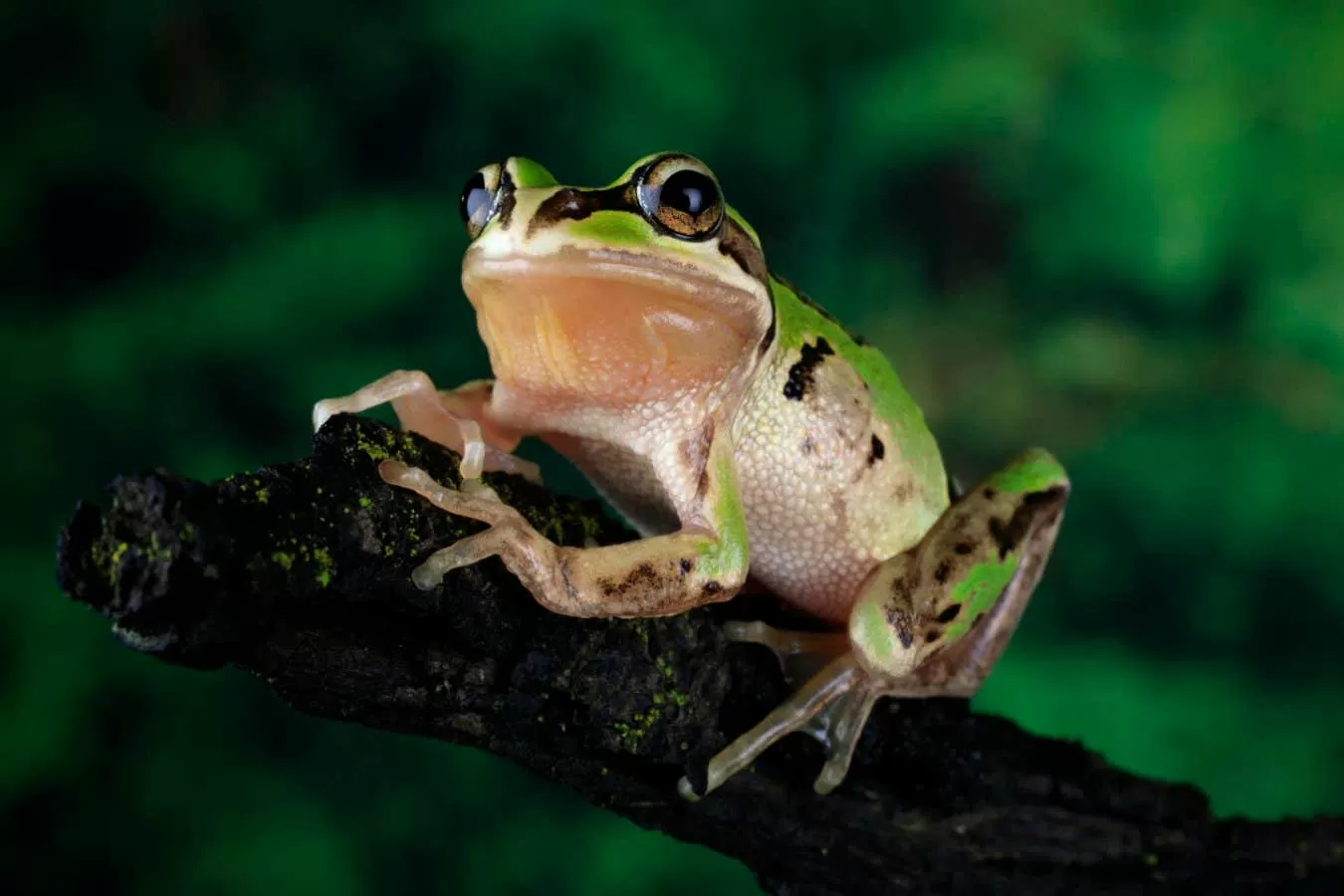
Chytrid fungus, a microscopic organism, has been wreaking havoc on global amphibian populations for decades. This deadly fungus has been responsible for the decline and extinction of numerous frog species around the world. However, recent research has revealed a surprising twist in the story of this deadly pathogen. Before it kills some frogs, the chytrid fungus can produce symptoms that may actually help the infected animals find mates and spread the fungus further.
Amphibians, such as frogs, toads, and salamanders, are known for their unique breeding behaviors. Many species rely on vocalizations, bright colors, and elaborate courtship rituals to attract potential mates. However, when infected with chytrid fungus, these behaviors can become impaired, making it difficult for the infected frogs to find mates. This is because the fungus attacks the skin of the frogs, which is essential for their communication and reproductive behaviors.
But researchers have found that in some cases, the chytrid fungus can actually enhance the mating behavior of infected frogs. This is due to the fact that the fungus produces chemicals that mimic the pheromones (chemical signals) that frogs use to attract mates. These chemicals can make the infected frogs more attractive to potential mates, increasing their chances of successfully reproducing.
This may seem counterintuitive, as the fungus is ultimately responsible for the death of the infected frogs. However, this phenomenon can actually benefit the fungus by helping it spread to new hosts. When the infected frogs are more successful in finding mates, they are also more likely to spread the fungus to their partners. This allows the fungus to continue its life cycle and infect more frogs, ultimately leading to the decline of amphibian populations.
But how does this benefit the infected frogs? It may seem like a cruel twist of fate, but this behavior actually serves as a survival mechanism for the frogs. By increasing their chances of finding a mate, the infected frogs are able to pass on their genes before succumbing to the deadly effects of the fungus. This ensures that their genetic material is passed on to the next generation, even if they do not survive.
Furthermore, the enhanced mating behavior of infected frogs can also benefit the overall population. As the fungus spreads, it can lead to a decrease in the number of healthy frogs in the population. This can create a shortage of potential mates for healthy frogs, making it difficult for them to find suitable partners. By increasing the chances of infected frogs finding mates, the fungus is indirectly helping the healthy frogs in the population to successfully reproduce and maintain genetic diversity.
This discovery has shed new light on the complex relationship between chytrid fungus and amphibians. While the fungus is undoubtedly a major threat to global amphibian populations, this research has shown that it may also play a role in the survival and reproduction of infected frogs. This highlights the importance of understanding the intricate dynamics of ecosystems and the impact of diseases on different species.
However, this does not mean that we should ignore the devastating effects of chytrid fungus on amphibians. The decline and extinction of numerous frog species is a serious concern that needs to be addressed. Efforts are being made to develop treatments and strategies to combat the spread of the fungus and protect vulnerable amphibian populations.
In addition, it is crucial to continue studying the behavior and impact of chytrid fungus on amphibians. This will not only help us better understand the disease, but also aid in the development of effective conservation measures. By working together, we can strive towards a future where amphibians and other species can coexist without the threat of deadly diseases.
In conclusion, the discovery that chytrid fungus can enhance the mating behavior of infected frogs may seem like a small silver lining in a larger, devastating situation. However, it highlights the complexity of nature and the interconnectedness of different species. While the fungus may be a scourge to global amphibian populations, it is important to continue studying and understanding its behavior in order to protect and preserve these vital creatures. Let us work towards a future where frogs can find mates without the threat of deadly diseases, and where the delicate balance of our ecosystems can be maintained.
