
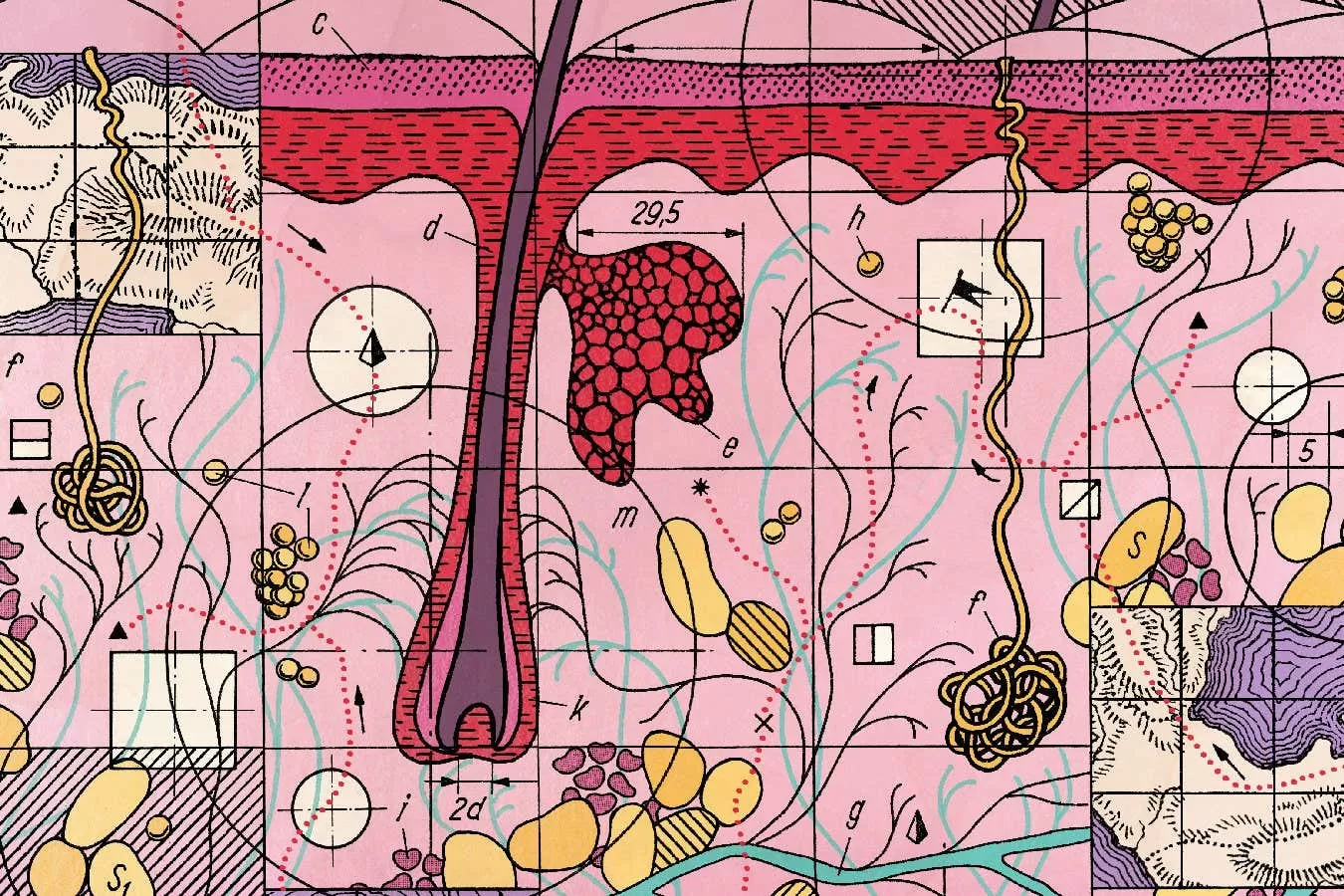
Thanks to advancements in technology, our ability to diagnose and cure once-fatal illnesses is constantly improving. One of the latest and most promising tools in this field is the creation of ultra-precise maps of our tissues. These maps are revolutionizing the way we understand and treat diseases, providing doctors with a deeper insight into the human body and paving the way for more accurate diagnoses and effective treatments.
In the past, doctors relied on X-rays, CT scans, and MRIs to get a glimpse of what was happening inside our bodies. While these imaging techniques have been incredibly helpful, they often provided a limited view and were not always able to detect the smallest abnormalities. This is where the new ultra-precise mapping tools come in, offering a level of detail and accuracy that was previously unimaginable.
One of the most promising technologies in this field is called high-resolution microscopy. This cutting-edge technique uses special microscopes that can see objects at a much smaller scale than traditional microscopes. With the ability to magnify up to 100 times more than standard microscopes, high-resolution microscopy allows doctors to see the tiniest structures in our tissues, such as individual cells and even molecules.
This level of precision is crucial in the diagnosis and treatment of diseases, as many illnesses start at the cellular level. With high-resolution microscopy, doctors can now detect abnormalities in cells that were previously undetectable, leading to early detection and intervention. This is especially important in the case of cancer, where early detection can significantly increase the chances of successful treatment.
In addition to high-resolution microscopy, another groundbreaking tool is the use of 3D imaging technology. This technique takes traditional imaging to the next level by creating a three-dimensional map of tissues and organs. This allows doctors to not only see the structures but also their spatial relationships, providing a more comprehensive understanding of the body.
What makes 3D imaging even more impressive is the fact that it can be done in real-time, meaning doctors can see how tissues and organs function and interact with each other. This is a game-changer in the field of medicine, as it allows doctors to detect abnormalities and diagnose diseases at an earlier stage, leading to more successful treatment outcomes.
These ultra-precise mapping tools are also transforming the way we approach surgeries. With 3D imaging, surgeons can create a virtual model of a patient’s body, allowing them to plan and practice complex procedures before even stepping into the operating room. This not only reduces the risk of complications but also shortens the duration of surgeries, leading to faster recovery times for patients.
But the benefits of these new mapping tools don’t stop at diagnosis and treatment. They also have a significant impact on research and drug development. With the ability to see tissues and cells in unprecedented detail, scientists can now better understand the mechanisms of diseases and develop more targeted and effective treatments. This has the potential to revolutionize the pharmaceutical industry and bring us closer to finding cures for once-fatal illnesses.
Moreover, these tools are also making personalized medicine a reality. By creating detailed maps of a patient’s tissues, doctors can tailor treatments to their specific needs, leading to more successful outcomes. This is particularly important in the case of rare diseases, where traditional treatments may not be effective. With ultra-precise mapping tools, doctors can now develop personalized treatments for these conditions, giving hope to patients who previously had none.
In conclusion, the creation of ultra-precise maps of our tissues is a game-changer in the field of medicine. These tools are transforming our ability to diagnose and cure once-fatal illnesses, providing doctors with a deeper understanding of the human body and leading to more targeted and effective treatments. With continued advancements in technology, we can only imagine the potential of these mapping tools and the positive impact they will have on our health and well-being.
