
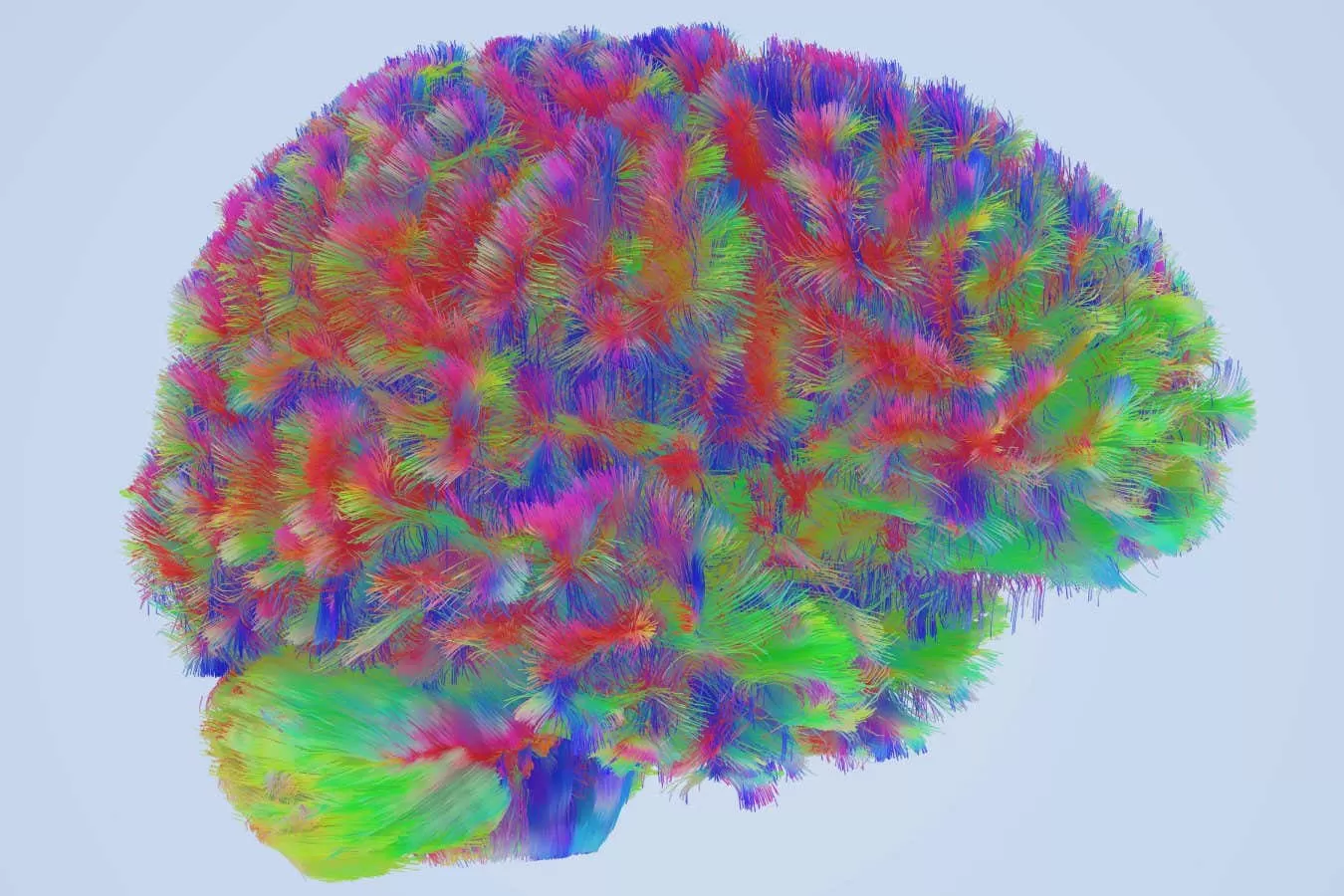
Our brain is a complex and fascinating organ that controls every aspect of our being. It is constantly changing and adapting throughout our lives, and recent research has shown that there are four major turning points in our brain’s development that occur at specific ages. These turning points, which happen at ages 9, 32, 66, and 83, can greatly influence our capacity to learn and our risk of certain conditions. Understanding these turning points can help us better understand our brain and how to take care of it.
The first turning point occurs at the age of 9. This is when our brain experiences a surge of growth and development, particularly in the prefrontal cortex, which is responsible for decision-making, problem-solving, and emotional regulation. This growth spurt allows children to develop more complex thinking skills and better control their emotions. It is also a critical time for learning new skills and acquiring knowledge. This is why it is important for parents and educators to provide children with a stimulating and nurturing environment during this crucial stage of brain development.
The second turning point happens at the age of 32. This is when our brain reaches its peak in terms of cognitive abilities, such as memory, attention, and processing speed. This is also the time when our brain starts to decline in certain areas, such as the ability to learn new information quickly. However, this decline is not significant and can be counteracted by engaging in mentally stimulating activities, such as learning a new language or playing brain games. It is also important to maintain a healthy lifestyle, including regular exercise and a balanced diet, to keep our brain functioning at its best.
The third turning point occurs at the age of 66. This is when our brain starts to show signs of aging, such as a decrease in brain volume and a decline in cognitive abilities. However, research has shown that engaging in mentally challenging activities, such as learning a new skill or taking up a new hobby, can help slow down this decline. It is also important to maintain a healthy lifestyle and stay socially active to keep our brain stimulated and functioning at its best.
The final turning point happens at the age of 83. This is when our brain experiences the most significant decline in cognitive abilities. However, this decline is not inevitable and can be delayed by staying mentally and physically active. Studies have shown that older adults who engage in regular physical exercise and mentally stimulating activities have better cognitive function and a lower risk of developing conditions such as dementia and Alzheimer’s disease.
Understanding these four turning points in our brain’s development can help us take better care of our brain and optimize its function throughout our lives. It is never too early or too late to start taking care of our brain. By providing children with a stimulating environment, engaging in mentally challenging activities in our 30s and 60s, and staying active and socially connected in our 80s, we can promote healthy brain aging and reduce the risk of cognitive decline.
Moreover, these turning points also highlight the importance of lifelong learning. Our brain has the incredible ability to continue learning and adapting throughout our lives. By challenging ourselves to learn new skills and acquire new knowledge, we can keep our brain active and healthy. This not only benefits our cognitive abilities but also our overall well-being.
In conclusion, our brain undergoes four major turning points at ages 9, 32, 66, and 83, which greatly influence our capacity to learn and our risk of certain conditions. By understanding these turning points and taking care of our brain through a healthy lifestyle and lifelong learning, we can optimize our brain’s function and promote healthy brain aging. So let’s embrace these turning points and continue to nurture our brain for a fulfilling and healthy life.
