
China’s Missile Strategy: A New Challenge for U.S. Air Bases
In recent years, China has been rapidly expanding its military capabilities, particularly in the realm of missile technology. This has caused concern for the United States, as China’s missile strategy is now targeting U.S. air bases in the Pacific region. As a result, America’s long-held dominance in the region is no longer guaranteed, and the country is now placing its bets on stealth technology to maintain its edge. This shift in the military landscape has raised questions about the future of Pacific air dominance and the potential impact on global security.
China’s missile strategy has been a cause for concern for the U.S. for some time now. The country has been investing heavily in developing a wide range of missiles, including long-range ballistic missiles, cruise missiles, and anti-ship missiles. These missiles are designed to target U.S. military assets, particularly air bases and aircraft carriers, in the Pacific region. With the ability to strike from a distance, China’s missiles pose a significant threat to America’s military presence in the region.
One of the main reasons for China’s focus on missile development is its desire to counter the U.S.’s military dominance in the Pacific. For decades, the U.S. has maintained a strong military presence in the region, providing a sense of security for its allies and projecting its power globally. However, with China’s rise as a major economic and military power, the country is now seeking to challenge America’s dominance and establish itself as a regional superpower.
China’s missile strategy is not limited to just targeting U.S. air bases. The country has also been developing missiles with the capability to strike at sea, posing a significant threat to the U.S. Navy’s aircraft carriers. This has raised concerns about the vulnerability of these massive warships and their ability to operate in the Pacific without being targeted by China’s missiles.
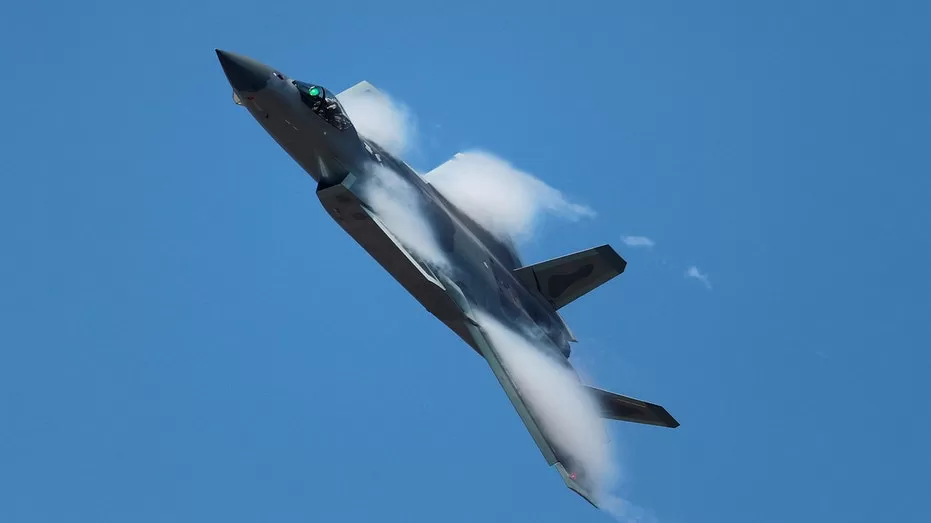
In response to China’s growing missile capabilities, the U.S. has been placing its bets on stealth technology. The country has been investing in developing advanced stealth aircraft, such as the F-35, which are designed to evade detection by radar and other sensors. These stealth aircraft are seen as a crucial element in maintaining America’s military edge in the Pacific, as they can penetrate enemy defenses and strike targets without being detected.
However, some experts believe that the U.S.’s reliance on stealth technology may not be enough to counter China’s missile strategy. They argue that China’s missiles are becoming more sophisticated and can potentially overcome the capabilities of stealth aircraft. Additionally, China’s development of advanced radar systems and other sensors could also pose a challenge for the effectiveness of stealth technology.
The growing military gap between China and the U.S. in the Pacific region has raised concerns about the future of air dominance in the region. With China’s missiles posing a significant threat to U.S. air bases and aircraft carriers, the U.S. may no longer have the same level of control over the region that it once did. This could have far-reaching consequences for global security, as the U.S. has played a crucial role in maintaining stability in the Pacific for decades.
In conclusion, China’s missile strategy is a new challenge for U.S. air bases in the Pacific region. With the country’s growing military capabilities, particularly in the realm of missiles, the U.S. is now facing a formidable opponent in the region. While America’s reliance on stealth technology may provide some level of protection, it may not be enough to counter China’s evolving capabilities. The future of Pacific air dominance is no longer guaranteed, and it is essential for the U.S. to continue investing in advanced military technology to maintain its edge in the region.
