
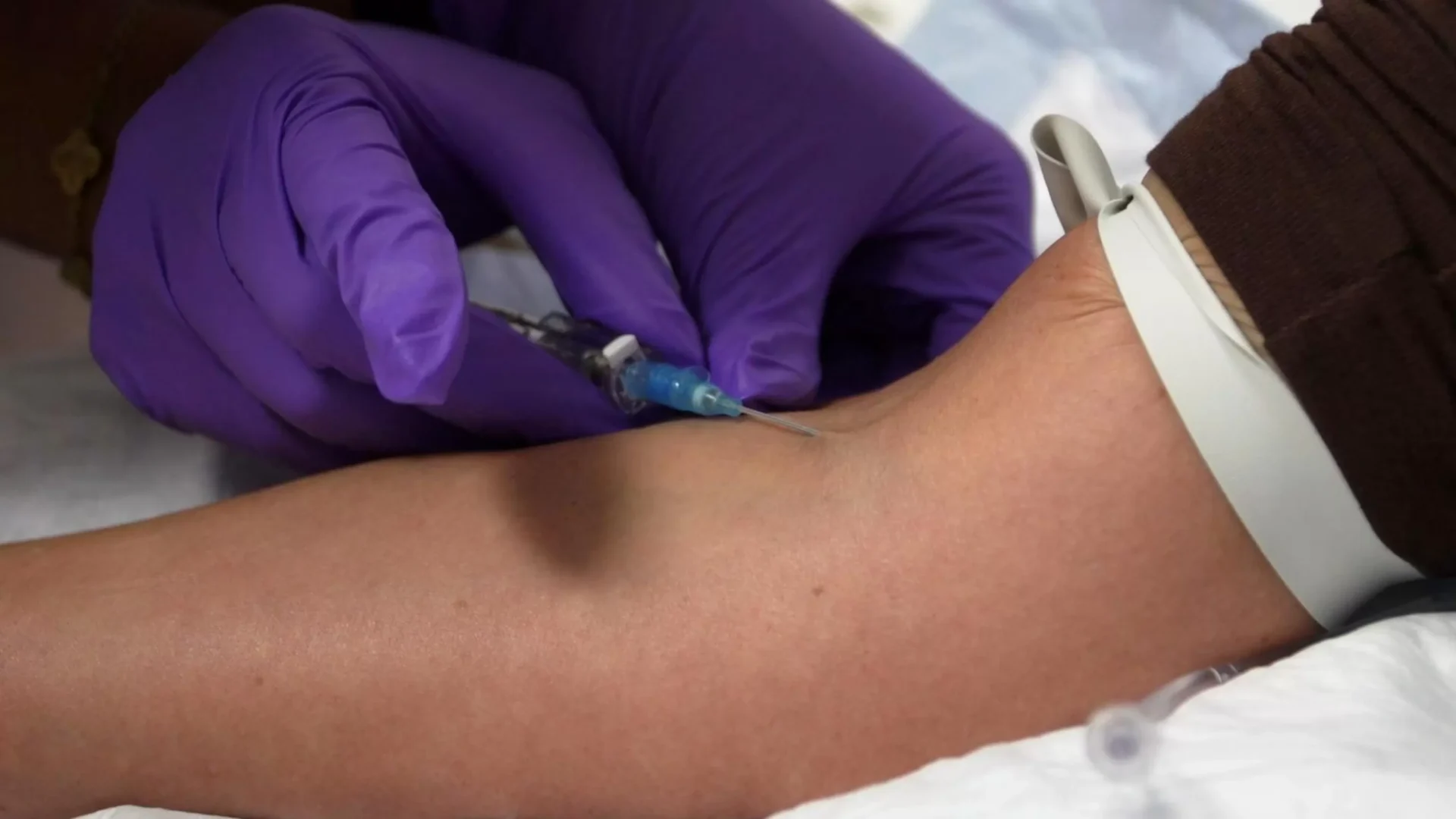
In recent years, there has been a growing trend in the use of unapproved peptide drugs for various purposes such as building muscle, reducing wrinkles, and even trying to extend lifespan. These drugs, also known as research chemicals, are not yet approved by regulatory bodies and are often marketed as a safer and more effective alternative to traditional treatments. While the use of unapproved peptide drugs may seem like a risky choice, their popularity continues to rise as more and more people seek quick and easy solutions for their health and beauty concerns.
Peptides are short chains of amino acids that play vital roles in our body’s functions. They act as messengers, signaling cells to perform specific tasks such as repairing damaged tissues or stimulating the production of collagen for youthful skin. With advancements in technology, scientists have been able to synthesize these peptides in laboratories, creating new and potent versions that target specific areas of the body.
One of the most popular uses of unapproved peptide drugs is for muscle building. These drugs work by stimulating the production of human growth hormone (HGH), which is responsible for muscle growth and repair. By increasing HGH levels, users can experience faster muscle growth, improved strength, and increased endurance. This has made these drugs a favorite among bodybuilders, athletes, and fitness enthusiasts looking to enhance their performance.
Another sought-after benefit of unapproved peptide drugs is their ability to reduce wrinkles and improve skin texture. As we age, our skin’s production of collagen and elastin, the proteins responsible for skin elasticity and firmness, decreases. This results in the formation of wrinkles, fine lines, and sagging skin. Peptide drugs, specifically those containing copper peptides, have been shown to stimulate the production of collagen and elastin, leading to smoother and more youthful-looking skin.
In addition to their physical benefits, unapproved peptide drugs are also being studied for their potential to extend lifespan. Some research has shown that certain peptides can activate the production of telomerase, an enzyme that protects and repairs our DNA. This has sparked interest in using these drugs to slow down the aging process and potentially increase lifespan. However, more research is needed in this area before any conclusive claims can be made.
While the use of unapproved peptide drugs may seem appealing, it is essential to note that these drugs are not yet approved by regulatory bodies such as the Food and Drug Administration (FDA). This means that their safety and effectiveness have not been fully evaluated, and there may be potential risks and side effects associated with their use. It is crucial to consult with a healthcare professional before starting any new treatment, including the use of unapproved peptide drugs.
Moreover, the use of unapproved peptide drugs may also come with legal implications. In some countries, these drugs are classified as controlled substances and are not legally available for purchase without a prescription. It is essential to research and understand the laws and regulations in your country before considering the use of these drugs.
In conclusion, unapproved peptide drugs have gained popularity as a trendy new approach to achieving various health and beauty goals. Their potential benefits in muscle building, anti-aging, and lifespan extension have attracted many users seeking quick and easy solutions. However, it is crucial to approach these drugs with caution and consult with a healthcare professional before use. As with any new treatment, it is essential to weigh the potential risks and benefits and make an informed decision.
