
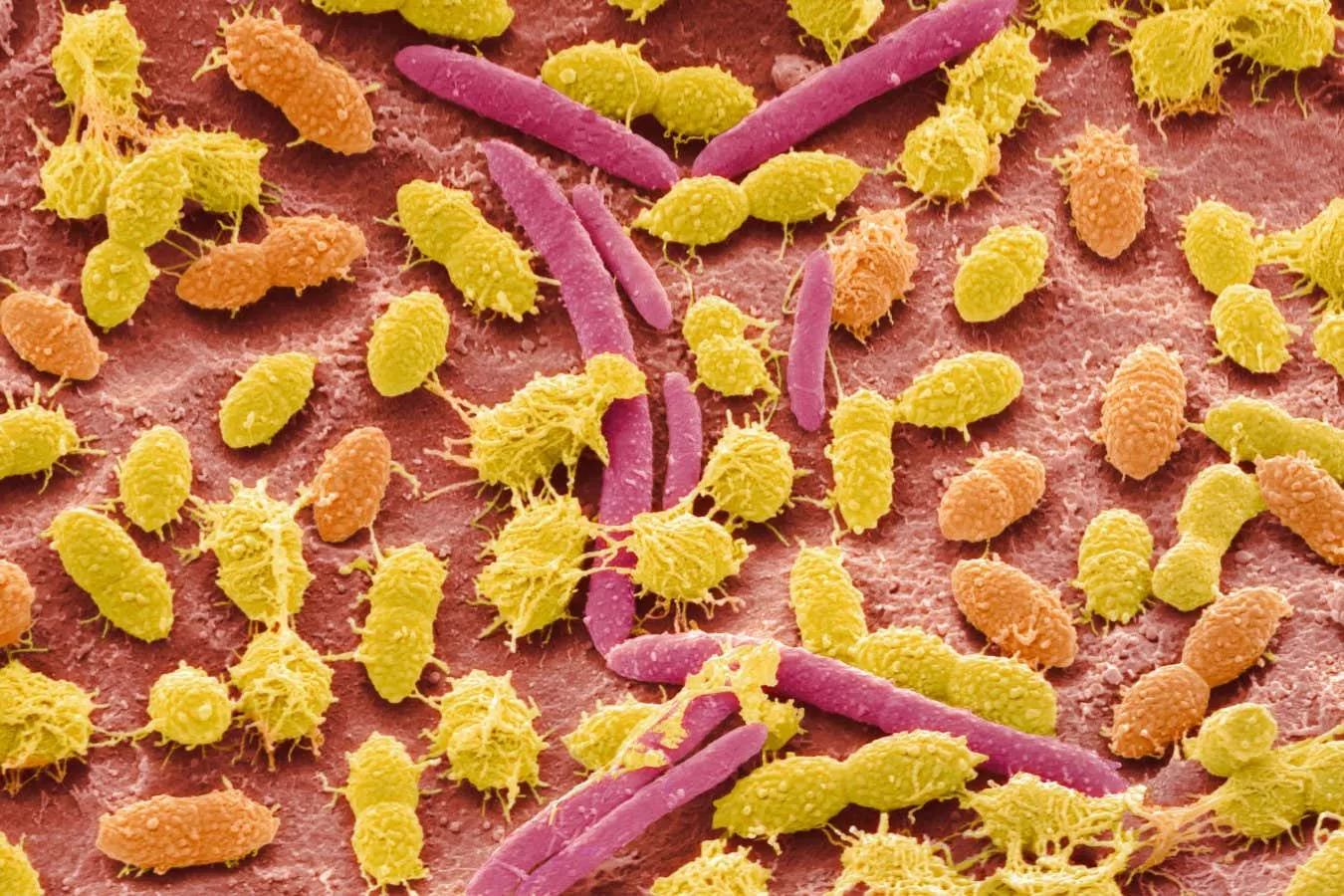
The human body is a complex and fascinating system, with countless interactions and connections between different parts. One area that has been gaining more attention in recent years is the gut microbiome, the community of microorganisms that live in our digestive tract. Research has shown that these tiny organisms play a crucial role in our overall health, from digestion to immune function. But could they also have an impact on our emotional development? A recent study suggests that this may indeed be the case.
The study, conducted by researchers at the University of California, Davis, looked at the effects of gut bacteria on the emotional behavior of rats. The researchers were particularly interested in the impact of gut bacteria from young children, as previous studies have shown that the gut microbiome undergoes significant changes during the first few years of life. To investigate this, they gave a group of rats a faecal transplant from exuberant toddlers and observed their behavior.
The results were surprising. The rats that received the faecal transplant showed significantly more exploratory behavior compared to those that did not. This was measured by the amount of time the rats spent in the open arms of a maze, a behavior that is associated with reduced anxiety and increased curiosity. The researchers also found that the rats had increased levels of a neurotransmitter called dopamine, which is known to play a role in reward and motivation.
These findings support the idea that gut bacteria may have an impact on emotional development, particularly during the critical early years of life. This is not the first study to suggest a link between the gut microbiome and behavior. Previous research has shown that gut bacteria can influence mood, anxiety, and even social behavior. However, this study is the first to specifically look at the effects of gut bacteria from young children on emotional behavior.
So, how exactly do gut bacteria affect our emotions? The exact mechanisms are still not fully understood, but researchers have some theories. One is that gut bacteria produce neurotransmitters and other chemicals that can directly influence brain function. Another is that they interact with the immune system, which in turn can affect brain function. It is also possible that gut bacteria can influence the production of hormones that regulate mood and behavior.
While more research is needed to fully understand the link between gut bacteria and emotional development, this study opens up new avenues for exploration. It also highlights the importance of maintaining a healthy gut microbiome, especially during the early years of life. This can be achieved through a balanced and diverse diet, as well as exposure to different environments and microorganisms.
The implications of this study are particularly significant for parents and caregivers. It suggests that the gut microbiome of young children may have a lasting impact on their emotional development. Therefore, it is important to pay attention to their diet and environment, as well as their overall health. This includes limiting the use of antibiotics, which can disrupt the balance of gut bacteria, and encouraging outdoor play and exposure to different environments.
The study also has implications for the treatment of mental health disorders. While more research is needed, it is possible that targeting the gut microbiome could be a potential avenue for treating conditions such as anxiety and depression. This could involve interventions such as probiotics or faecal transplants, which have already shown promising results in some studies.
In conclusion, the study conducted by the University of California, Davis, provides further evidence of the link between gut bacteria and emotional development. It suggests that the gut microbiome may play a crucial role in shaping our behavior and emotions, particularly during the early years of life. This highlights the importance of maintaining a healthy gut microbiome through diet and environment, and opens up new possibilities for the treatment of mental health disorders. As we continue to unravel the mysteries of the human body, it is clear that the gut microbiome plays a vital role in our overall health and well-being.
