
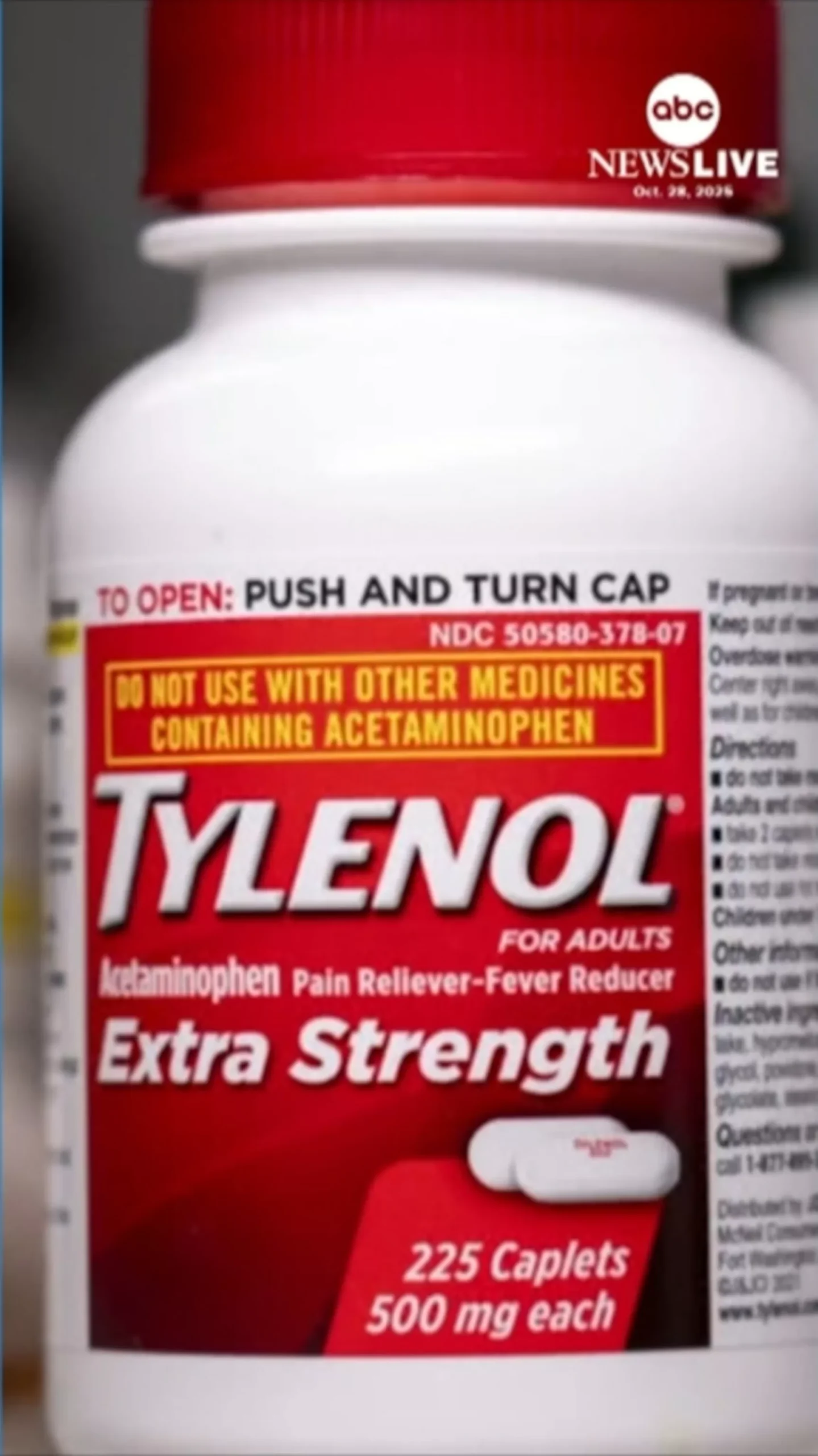
In a recent statement, President Trump declared that the use of Tylenol during pregnancy may increase the risk of autism in children. This claim has sparked controversy and concern among both medical professionals and expectant mothers. However, upon closer examination of the limited evidence available, it is clear that the President’s statement may be premature and unsubstantiated.
Tylenol, or acetaminophen, is a commonly used pain reliever and fever reducer. It is considered safe for use during pregnancy, as it has been extensively studied and approved by the U.S. Food and Drug Administration (FDA). In fact, the American College of Obstetricians and Gynecologists (ACOG) recommends Tylenol as the first-line treatment for pain and fever during pregnancy.
Despite these recommendations, President Trump claims that there is a link between Tylenol use during pregnancy and an increased risk of autism in children. However, the evidence to support this claim is limited and inconclusive. A study published in JAMA Pediatrics in 2016 found an association between prolonged use of acetaminophen during pregnancy and an increased risk of attention-deficit/hyperactivity disorder (ADHD) and autism spectrum disorder (ASD) in children. However, this study only found a correlation and did not establish a cause-and-effect relationship.
Furthermore, this study has been criticized for its design and data analysis methods. A subsequent study published in the same journal found no significant association between acetaminophen use during pregnancy and the risk of autism or ADHD in children. This study, which included a larger sample size and accounted for other potential confounding factors, suggests that the previous findings may have been due to chance.
It is also important to note that the FDA has conducted an extensive review of the safety of Tylenol and other over-the-counter pain relievers during pregnancy. They have found no evidence to suggest a link between Tylenol use and the risk of autism in children. In fact, the FDA states that “given the available data, there is no reason to believe that the use of acetaminophen by pregnant women poses a risk to their unborn child.”
It is understandable that expectant mothers may feel concerned about the potential risks of taking any medication during pregnancy. However, it is important to remember that correlation does not equal causation. There may be other factors that contribute to the development of autism in children that were not accounted for in the studies.
In addition, it is crucial to consider the potential harm that may arise from avoiding necessary medication during pregnancy. Untreated pain and fever can have serious consequences for both the mother and the developing baby. A balanced and informed approach, guided by a healthcare professional, is the best way to manage any potential risks.
In conclusion, while President Trump’s claim may have raised alarm, it is important to critically examine the evidence before drawing any conclusions. The limited evidence available does not support a link between Tylenol use during pregnancy and an increased risk of autism in children. Expectant mothers should consult with their healthcare provider before making any changes to their medication regimen. Let us continue to trust in the recommendations of medical professionals and make informed decisions for the well-being of ourselves and our children.
