
Coffee is one of the most beloved beverages in the world. Whether it’s a cup of morning joe to kickstart the day or a piping hot latte to enjoy with friends, coffee has become an integral part of our daily routine. But have you ever stopped to think about the journey of those coffee beans before they end up in your cup? It turns out, scientists have been delving into this very topic and have made a fascinating discovery – the role of Asian palm civets in transforming coffee beans.
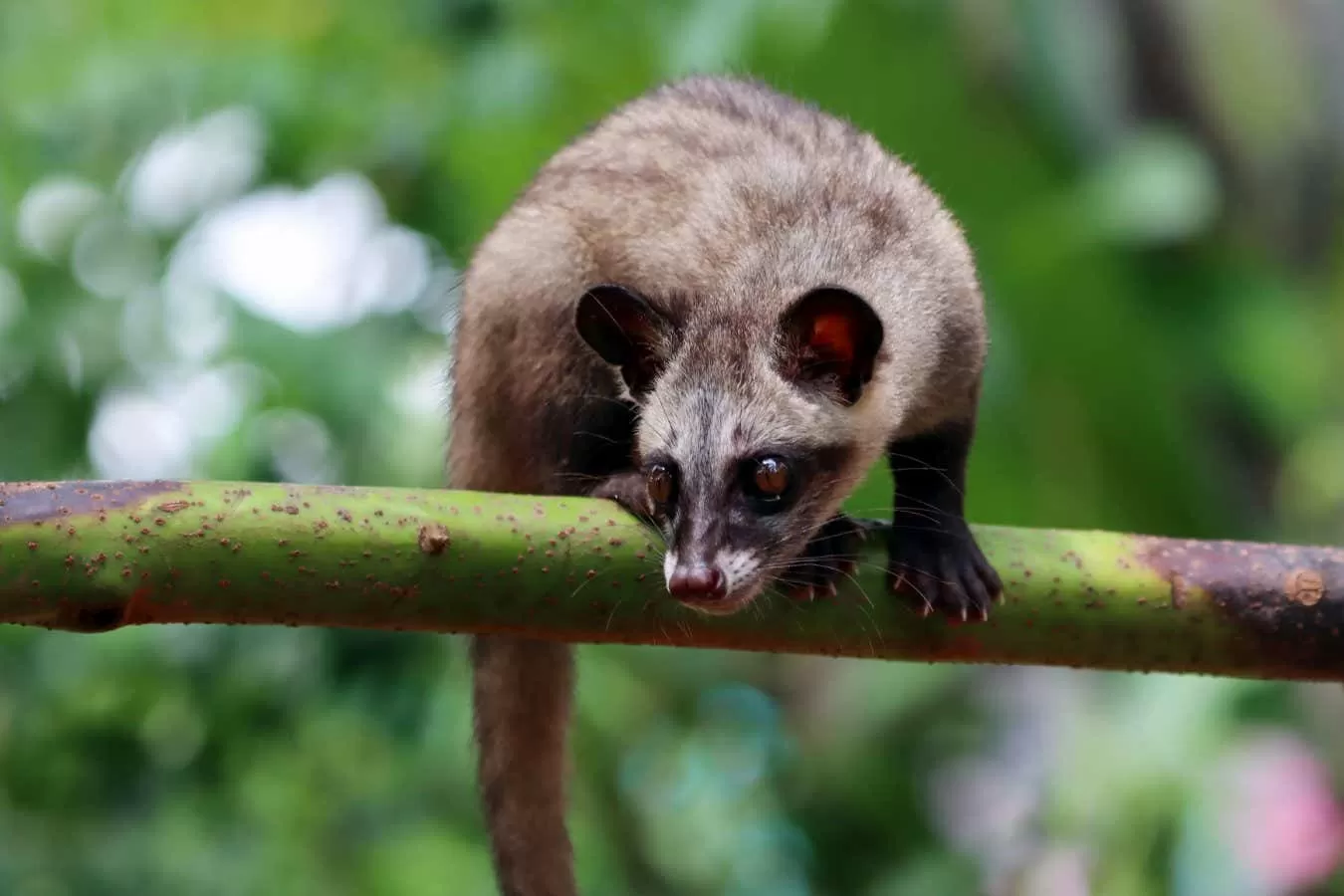
For those unfamiliar, Asian palm civets are small, nocturnal mammals that are native to Southeast Asia. They have been known to eat ripe coffee cherries and then excrete the undigested coffee beans. This peculiar phenomenon was first discovered by farmers who noticed that the civet’s droppings contained coffee beans that had a distinct and enhanced flavor.
This discovery sparked curiosity among scientists, who wanted to understand the reason behind this unique transformation. And what they found has been groundbreaking – the civet’s digestive enzymes and gut bacteria play a crucial role in altering the chemical composition of the coffee beans, resulting in a smoother and less acidic taste.
As fascinating as this may be, the use of animals in this process has been a topic of ethical concern. In recent years, there has been a growing demand for cruelty-free and sustainable products, and the coffee industry is no exception. This has prompted scientists to look for alternative methods to replicate the civet’s role in coffee bean transformation without using animals.
Thanks to advancements in technology and scientific research, a team of scientists from the University of Guelph in Canada has successfully recreated the civet’s digestive enzymes and gut bacteria in a lab setting. This innovation has opened up a whole new world of possibilities for the coffee industry, as it now has the potential to produce the same high-quality coffee without harming any animals.
This breakthrough has been welcomed by animal rights activists, who have long been advocating for the elimination of animal exploitation in various industries, including coffee production. It also aligns with the United Nations’ Sustainable Development Goals, which aim to promote sustainable practices and protect animals and the environment.
Moreover, replicating the civet’s role in coffee bean transformation also has environmental benefits. It reduces the need to capture and confine wild civets, therefore reducing the impact on their natural habitats. This, in turn, helps in preserving the delicate balance of the ecosystem.
The possibilities of this development are endless. Not only does it provide a cruelty-free and sustainable alternative to traditional coffee production, but it also allows for more control over the final product. By altering the enzymes and bacteria used in the process, scientists can create various flavor profiles, catering to different preferences of coffee lovers.
However, this is just the beginning. The team of scientists at the University of Guelph is continuously researching and experimenting to improve and refine the process. They are also collaborating with coffee growers and producers to ensure that this method is scalable and can be implemented on a larger scale.
In conclusion, the discovery of the role of Asian palm civets in transforming coffee beans has not only shed light on a unique natural occurrence but has also paved the way for a more ethical and sustainable approach to coffee production. With the use of science and technology, we can now enjoy our cup of coffee without any guilt, knowing that no animals were harmed in the process. And who knows, this could be the beginning of a more ethical and sustainable approach to other industries as well. Let’s raise our cups to a better and more compassionate future.
