
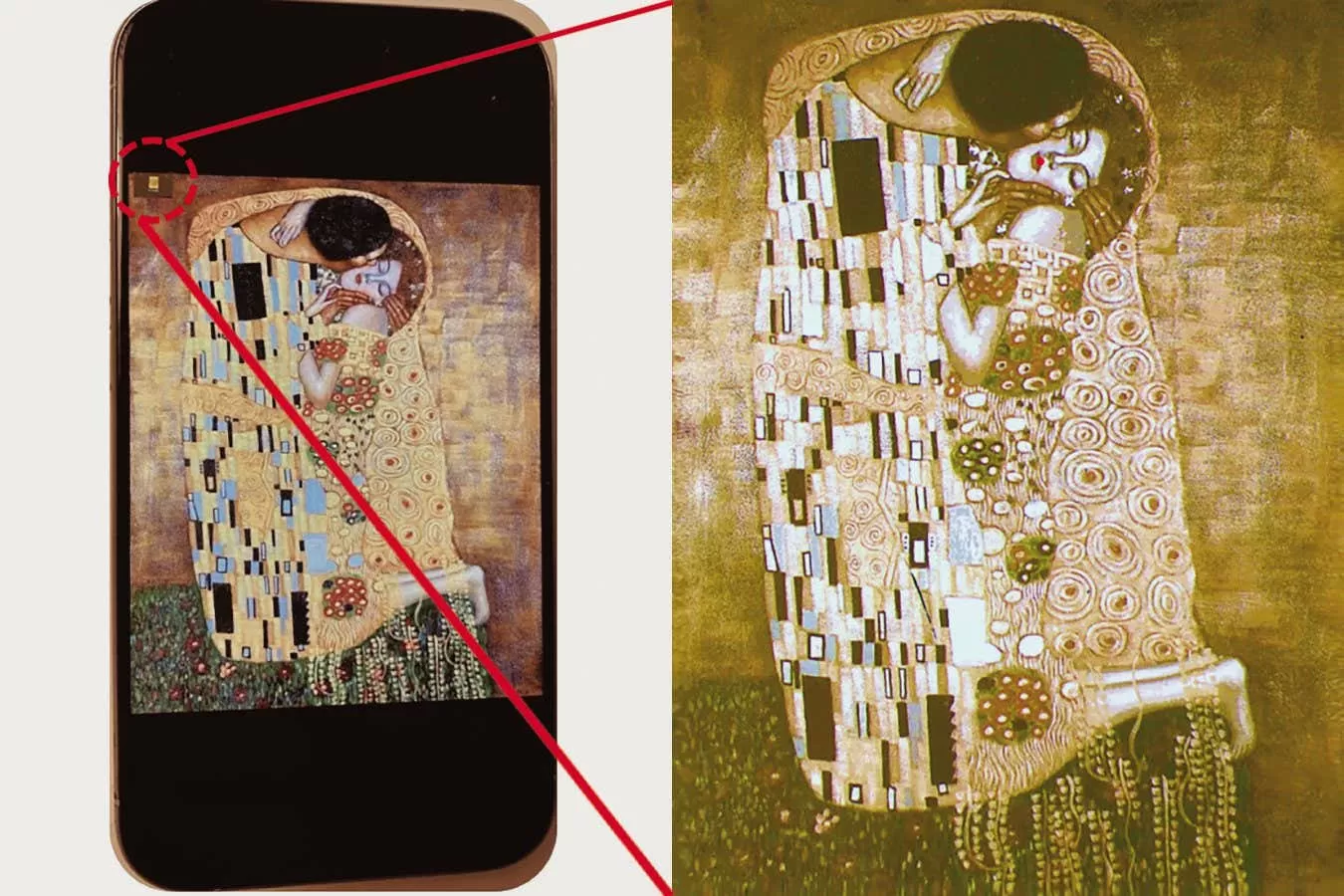
In today’s world, smartphones have become an integral part of our daily lives. From staying connected with our loved ones to managing our work and schedules, these devices have made our lives easier and more efficient. However, one major drawback of these devices is their high energy consumption, which not only affects their battery life but also has a negative impact on the environment. But what if I tell you that a new technology has been developed that could solve this problem and even open up a whole new world of possibilities for our devices? Yes, you heard it right. The future smartphones and other devices could have color e-paper displays, all thanks to a groundbreaking technique that allows these screens to display videos while minimizing energy usage.
E-paper, also known as electronic paper, is a type of display technology that mimics the appearance of ink on paper. It is commonly used in e-readers, such as Amazon’s Kindle, and other electronic devices. However, until now, e-paper has been limited to only displaying black and white images and text. But with this new technique, developed by a team of researchers from the University of Central Florida, e-paper could now display videos and images in color, without draining the device’s battery.
So, how does this new technology work? The key lies in the use of nanoparticles, also known as quantum dots. These are tiny semiconductor particles that emit light of different colors when excited by electricity. The team of researchers used these nanoparticles to create a new type of display material, which they call “electrochromic nanoparticle-dispersed liquid crystals.” This material can change color when an electric field is applied, just like traditional liquid crystal displays (LCDs). However, unlike LCDs, this new material does not require a constant electric field to maintain the image, making it much more energy-efficient.
The use of nanoparticles also allows for a wider color range and better image quality than traditional LCDs. This means that the future color e-paper displays could provide a more vibrant and lifelike viewing experience. Moreover, since these displays do not emit light like traditional LCDs, they are also better for our eyes, reducing strain and fatigue.
But the most significant advantage of this new technology is its energy efficiency. The researchers claim that the new color e-paper displays could consume up to 50 times less energy than traditional LCDs, making them ideal for use in smartphones and other portable devices. This means that our devices could have longer battery life, reducing the need for frequent charging and ultimately, reducing our carbon footprint.
The potential applications of this technology are endless. Apart from smartphones, these color e-paper displays could also be used in e-readers, tablets, smartwatches, and even billboards and electronic signage. Imagine a world where billboards and signs can display videos without the need for bulky and energy-hungry screens. It could revolutionize the advertising industry and make our cities more energy-efficient.
But that’s not all. This new technology could also have a significant impact on the e-commerce industry. With the rise of online shopping, the need for paper packaging and labels has also increased, leading to a considerable amount of waste. However, with color e-paper displays, product labels and packaging could be displayed digitally, reducing the need for paper and plastic, and ultimately, reducing waste.
Furthermore, this technology could also have a positive impact on the education sector. Imagine students having access to textbooks and study materials on their devices, with the same reading experience as a traditional book, but with the added advantage of videos and interactive content. It could make learning more engaging and accessible for students, without harming the environment.
In conclusion, the development of this new technique to create color e-paper displays is a significant breakthrough in the world of technology. It not only opens up a whole new world of possibilities for our devices but also has the potential to make our lives more convenient and sustainable. With the increasing concern for the environment, this technology could play a significant role in reducing our energy consumption and carbon footprint. The future of smartphones and other devices is looking brighter, and we can’t wait to see what other innovations this technology will bring.
