
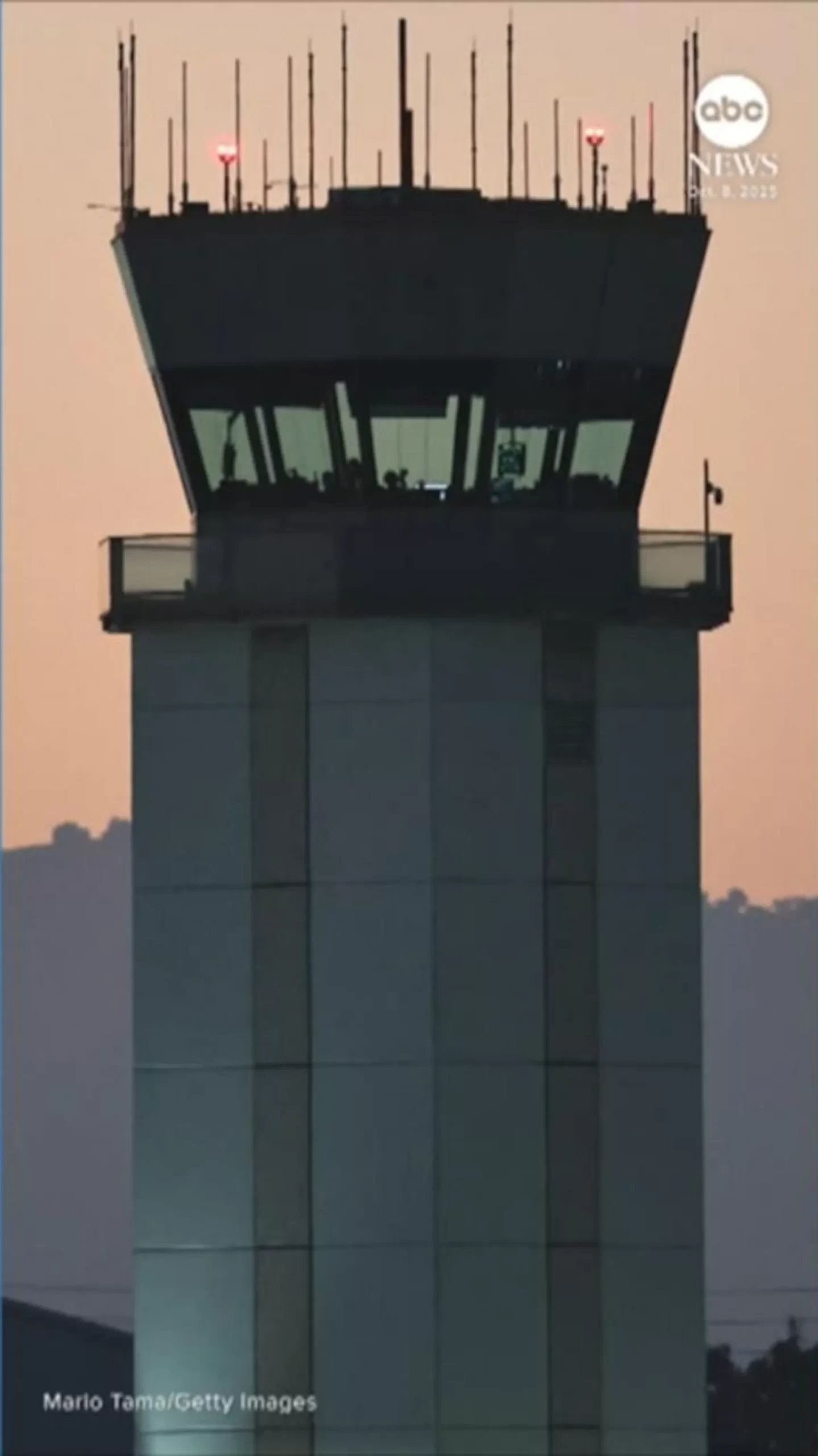
Flight delays and cancellations have become a common occurrence in the world of air travel. But in recent times, these disruptions have been on the rise due to a concerning issue – sick calls among air traffic controllers. This has left many airport towers and control facilities understaffed, leading to chaos and inconvenience for passengers. As a result, flight delays and cancellations have become a major concern for both airlines and travelers.
The job of an air traffic controller is crucial in ensuring the safety and efficiency of air travel. They are responsible for directing and monitoring the movement of aircraft in the sky and on the ground. However, their job can be mentally and physically demanding, which can take a toll on their health. This has led to an increase in sick calls among air traffic controllers, leaving many airports short-staffed and struggling to handle the high volume of flights.
The impact of these sick calls is felt by both airlines and passengers. Airlines have to deal with the financial burden of flight delays and cancellations, as well as the inconvenience caused to their customers. Passengers, on the other hand, have to deal with the frustration and stress of disrupted travel plans. This has led to a growing concern among travelers about the reliability of air travel and the need for a solution to this issue.
One of the main reasons for the increase in sick calls among air traffic controllers is the high-stress nature of their job. They have to make quick decisions and handle multiple tasks simultaneously, all while ensuring the safety of thousands of passengers. This can lead to burnout and fatigue, which can result in health issues. Additionally, the aging workforce of air traffic controllers also plays a role in the increase of sick calls. Many controllers are nearing retirement age, and the job can become physically demanding as they get older.
The Federal Aviation Administration (FAA) has acknowledged the issue and is taking steps to address it. They have implemented a new scheduling system that allows controllers to have more predictable work schedules and rest periods. This is aimed at reducing fatigue and improving the overall health of controllers. The FAA is also working on recruiting and training new controllers to fill the gaps left by the retiring workforce.
However, these measures take time to show results, and in the meantime, flight delays and cancellations continue to be a problem. This has led to calls for more immediate solutions to address the issue. Some have suggested increasing the number of controllers at each facility to ensure that there is enough staff to handle any sick calls. Others have proposed implementing a backup system where controllers from other facilities can be called in to cover for sick colleagues.
In addition to these solutions, it is also important for airlines and airports to have contingency plans in place to deal with flight delays and cancellations. This could include providing passengers with timely updates and alternative travel options, as well as offering compensation for the inconvenience caused. It is also crucial for airlines to have a good communication system with air traffic controllers to ensure that flights are not unnecessarily delayed or cancelled.
Despite the challenges posed by sick calls among air traffic controllers, it is important to remember that their job is crucial in ensuring the safety of air travel. The FAA and other stakeholders are working towards finding a long-term solution to this issue. In the meantime, it is important for all parties involved to work together to minimize the impact of flight delays and cancellations on travelers.
In conclusion, flight delays and cancellations due to sick calls among air traffic controllers have become a growing concern in the world of air travel. The high-stress nature of their job and the aging workforce are some of the factors contributing to this issue. However, with the efforts of the FAA and other stakeholders, we can hope to see a decrease in these disruptions in the near future. In the meantime, it is important for all parties involved to work together and have contingency plans in place to minimize the impact on travelers. Let us remain positive and hopeful for a smoother and more efficient air travel experience in the future.
