
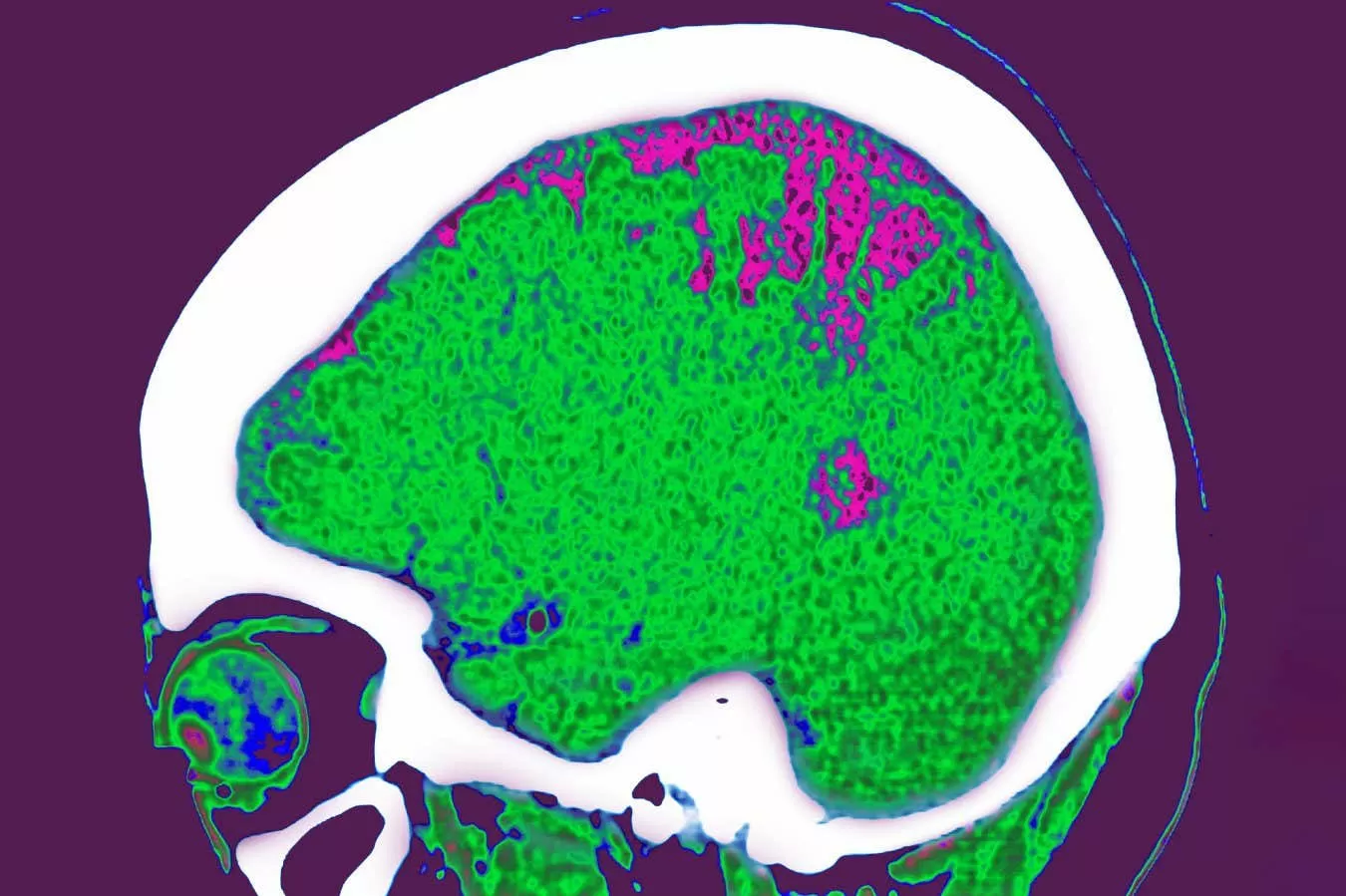
New research has shed light on the connection between excess fat and its impact on the brain. A study conducted by the University of Cambridge, involving more than 18,000 individuals, has revealed that where fat is stored in the body can have a significant influence on brain structure, activity, and overall health.
The study, published in the journal Nature Communications, analyzed data from participants of the UK Biobank, a large-scale biomedical database. The researchers looked at the distribution of fat in the body, specifically in the abdomen, hips, and thighs, and its correlation with brain structure and function.
The findings of the study suggest that the location of excess fat in the body plays a crucial role in its effects on the brain. The researchers found that individuals with higher levels of fat in the abdomen had a smaller brain volume, particularly in the gray matter, which is responsible for processing information and controlling muscle movement. On the other hand, those with more fat in the hips and thighs had a larger brain volume, indicating a protective effect on brain health.
Moreover, the study also revealed that the distribution of fat in the body can influence brain activity. Participants with higher levels of abdominal fat showed reduced brain activity in areas associated with memory and decision-making, while those with more fat in the hips and thighs had increased activity in these regions.
These findings have significant implications for understanding the link between obesity and brain health. Obesity has long been associated with an increased risk of cognitive decline and neurological disorders such as Alzheimer’s disease. However, this study suggests that it is not just the overall amount of fat in the body that matters, but also where it is stored.
The lead author of the study, Dr. Norbert Schuff, explains, “Our results suggest that the location of fat in the body plays a critical role in its effects on the brain. This could help explain why some individuals with obesity are at a higher risk of developing cognitive decline and dementia, while others may not be affected.”
The study also highlights the importance of maintaining a healthy weight and body composition. While it is well-known that excess fat can lead to various health problems, this research provides a deeper understanding of how it can impact the brain. By targeting specific areas of the body for fat reduction, individuals may be able to improve their brain health and reduce their risk of cognitive decline.
Furthermore, the study also emphasizes the need for a holistic approach to health. It is not just about losing weight, but also about maintaining a healthy body composition. This can be achieved through a combination of a balanced diet and regular physical activity.
The researchers also suggest that future studies should focus on the underlying mechanisms behind the link between fat distribution and brain health. This could lead to the development of targeted interventions to prevent or delay cognitive decline in individuals with obesity.
In conclusion, the study provides valuable insights into the complex relationship between excess fat and brain health. It highlights the importance of not only maintaining a healthy weight but also paying attention to where fat is stored in the body. By understanding this connection, we can take proactive steps towards improving our overall health and well-being. So let us strive towards a healthy body and a healthy mind.
