
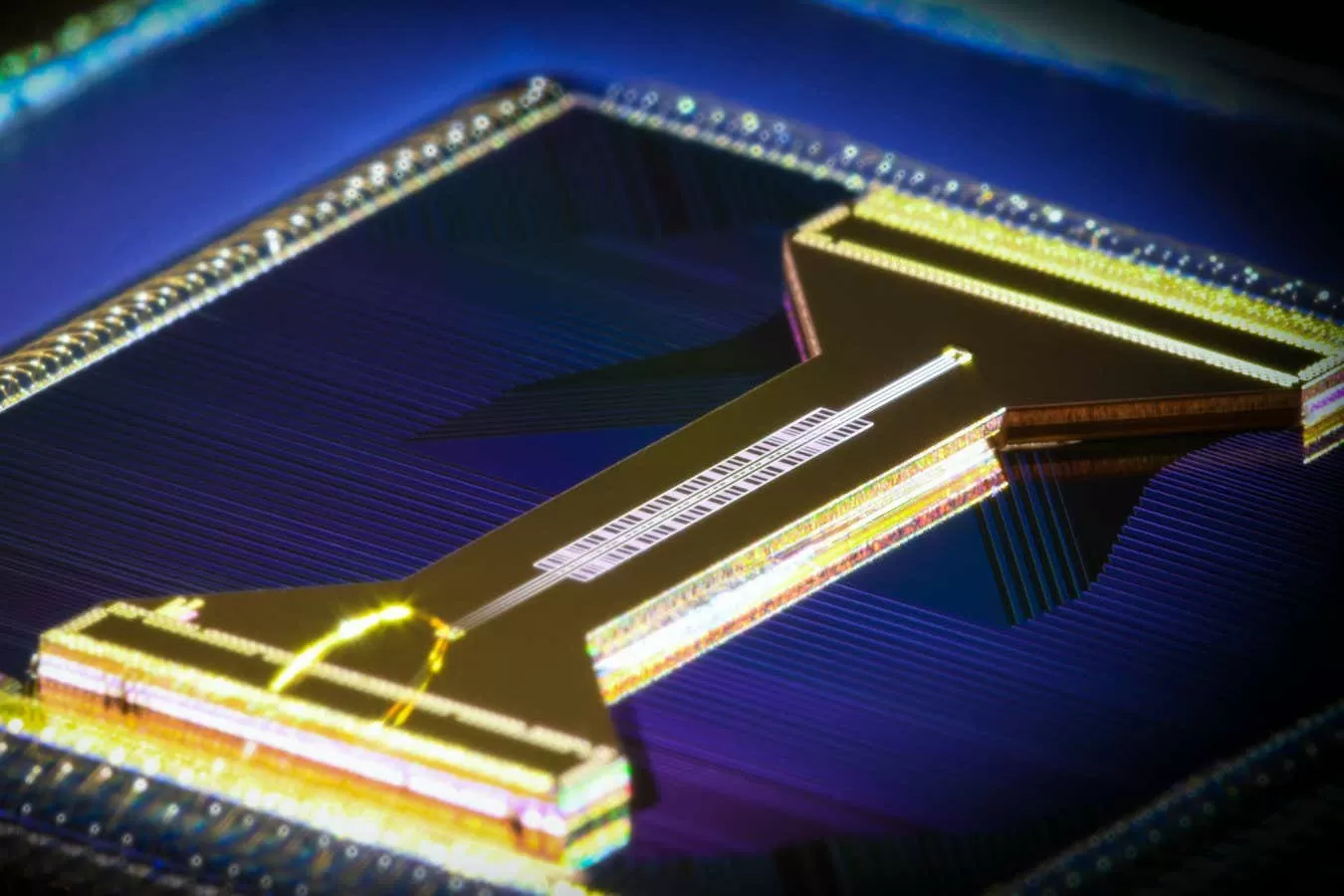
Quantum computers have long been considered the next big thing in computing technology. These powerful machines, which use the principles of quantum mechanics to process information, have the potential to solve complex problems that are beyond the capabilities of even the most advanced traditional computers. And now, for the first time, researchers have mathematically proven that a quantum computer can solve a particular task faster than an ordinary computer, in a way that can never be beaten.
This groundbreaking achievement has been made possible by a team of researchers at the University of Bristol in the United Kingdom. Led by Professor Noah Linden, the team has developed a new quantum algorithm that can solve a problem in a significantly shorter amount of time compared to a traditional computer. This is a major step towards the realization of a practical quantum computer that can tackle real-world problems.
The problem that the researchers focused on is known as the “recommendation problem”. This is a common task in many industries, where companies need to suggest the next best action or product to their customers based on their previous interactions. This can range from recommending movies on a streaming platform to suggesting products on an e-commerce website. While this may seem like a simple task, it becomes increasingly complex as the number of customers and products increases.
To solve this problem, the team of researchers used a quantum algorithm called the “quantum recommendation engine”. This algorithm takes advantage of the principles of quantum mechanics, such as superposition and entanglement, to process vast amounts of data in a parallel and efficient manner. This is in stark contrast to traditional computers, which process data sequentially, one instruction at a time.
In order to prove the superiority of their algorithm, the researchers compared it to the best-known classical algorithm for the recommendation problem. They found that their algorithm could solve the problem in a fraction of the time, even when the number of customers and products was increased. Furthermore, they proved that no classical algorithm can ever beat their quantum algorithm in terms of efficiency, making it the optimal solution to this particular problem.
This breakthrough has significant implications for the future of computing. Not only does it demonstrate the power of quantum computing, but it also opens up a whole new realm of possibilities for solving difficult problems. From optimizing supply chains to accelerating drug discovery, the potential applications of this quantum recommendation engine are vast.
But perhaps the most exciting aspect of this achievement is the fact that it is the first time a quantum computer has been proven to have an advantage over a traditional computer in a specific task. This is a major milestone in the development of quantum computing and brings us one step closer to a quantum future.
However, it is important to note that this is just the beginning. While this algorithm has shown its superiority in the recommendation problem, there are still many other problems where traditional computers outperform quantum computers. But with each new breakthrough, we are getting closer to harnessing the full potential of quantum computing.
The team at the University of Bristol is not the only one working towards this goal. Many other researchers around the world are making significant progress in developing quantum algorithms and improving the capabilities of quantum computers. It is a collaborative effort, and this achievement is a testament to the hard work and dedication of scientists in this field.
In conclusion, the recent breakthrough by researchers at the University of Bristol has shown that a quantum computer can solve a specific task faster and more efficiently than a traditional computer, and no classical algorithm can ever beat it. This is an exciting development that brings us one step closer to a future where quantum computers will revolutionize how we solve complex problems. With continued research and advancements, we can expect to see more quantum algorithms that can outperform traditional computers, opening up a whole new world of possibilities. The future of computing is quantum, and the possibilities are endless.
