
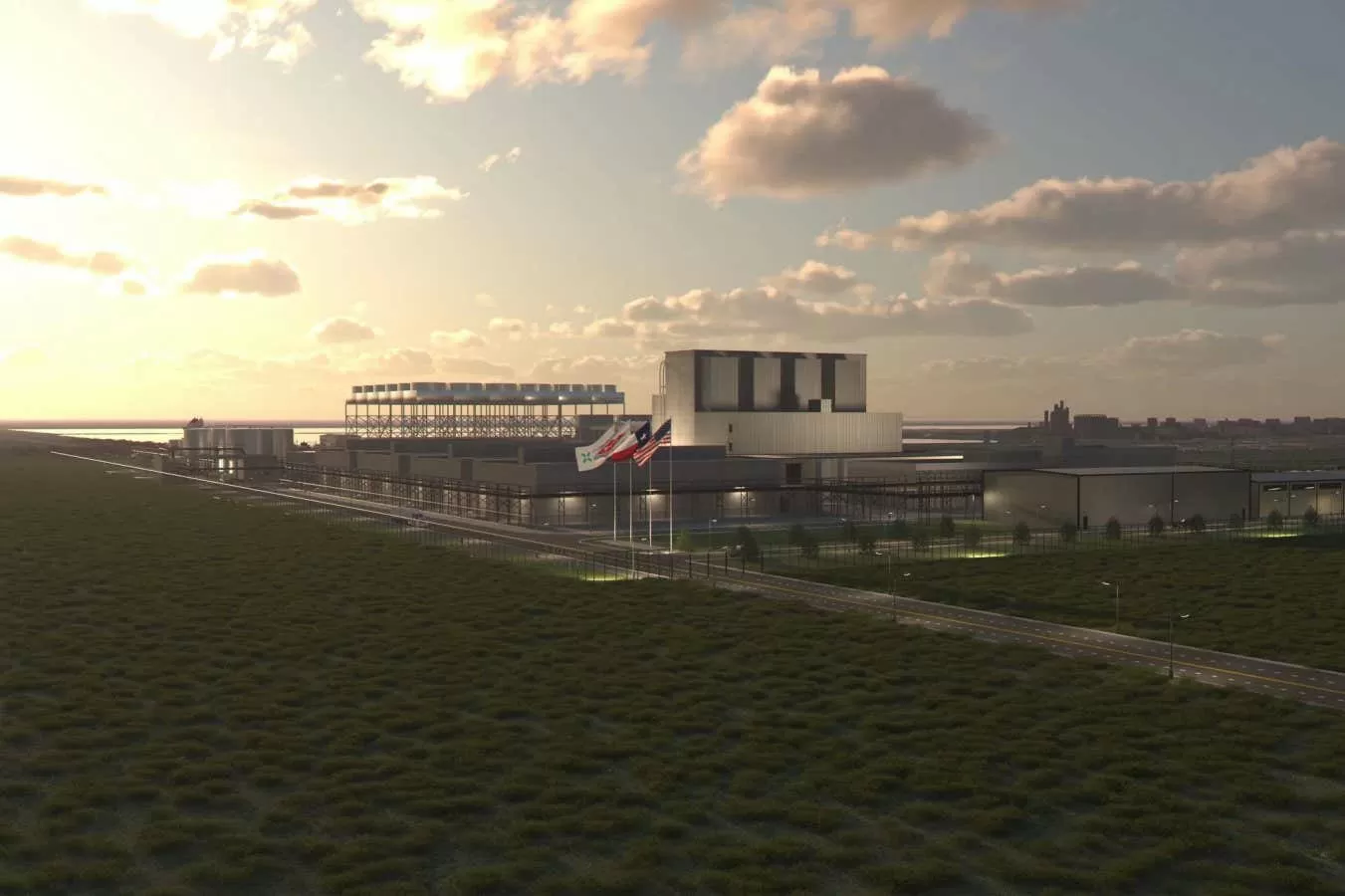
In recent years, there has been a growing interest in the use of nuclear power as a source of energy. With concerns over climate change and the need for more sustainable energy solutions, the UK government has recently announced a series of projects aiming to build small nuclear reactors. But they are not alone in this pursuit, as Russia, China, and even tech giants are also investing in developing these mini nuclear power plants. So, does the idea make sense and can they really be built any time soon?
Firstly, let’s discuss what exactly are small nuclear reactors. These are compact versions of traditional nuclear power plants, with a capacity of less than 300 megawatts. This is significantly smaller compared to the currently operating commercial reactors, which have a capacity of around 1,000-1,700 megawatts. The smaller size allows for easier transport, construction and maintenance, making them a more appealing option for remote or hard-to-access areas.
The concept of small nuclear reactors is not entirely new. In fact, they have been in use in naval vessels and research facilities for decades. However, the idea of using them for commercial energy production has only gained traction in recent years. And for good reason – these mini reactors have the potential to revolutionize the energy sector, providing a reliable and relatively clean source of energy.
One of the major advantages of small nuclear reactors is their compact size, which makes them easier and quicker to build compared to traditional power plants. As a result, they can be built closer to the areas of demand, reducing the need for long-distance transmission lines. This could be particularly beneficial for remote areas without access to electricity, as well as for industrial sites, such as mining and oil facilities, where a reliable and constant power supply is crucial.
Moreover, these mini reactors are incredibly versatile in terms of the type of fuel they can use. They can run on enriched uranium, thorium, or even nuclear waste, making them a more sustainable and cost-effective option. Furthermore, they have the potential to be integrated with renewable energy sources, such as wind and solar, to provide a reliable base load of power.
However, like any new technology, there are also some challenges and concerns surrounding small nuclear reactors. One of the main concerns is the issue of nuclear waste disposal. As with any nuclear power plant, the waste produced by these mini reactors must be safely stored and disposed of. However, with advancements in technology, it is believed that these reactors can produce significantly less waste compared to their larger counterparts.
Another concern is the level of safety and security measures needed for these reactors. While they may be smaller in size, they still use nuclear technology, which requires strict safety protocols and security measures. However, it is worth noting that the risks associated with small nuclear reactors are significantly lower compared to traditional plants.
Now, let’s talk about the feasibility of these projects. The UK government’s recent announcement of investing in small nuclear reactors may have come as a surprise to some. However, the country has a long history of successfully operating nuclear power plants and has the expertise and infrastructure to support such projects. The technology being used for these mini reactors is also not entirely new, as UK-based Rolls-Royce has been developing them for over a decade.
On the other hand, countries like China and Russia have already made significant investments and progress in developing small nuclear reactors. China, in particular, has already started building its first mini reactor and aims to have 30 reactors in operation by 2025. This shows that the technology is not just a concept but a tangible reality that can be built and operated successfully.
In addition to governments, tech companies like Bill Gates’ TerraPower and GE Hitachi are also investing in developing small nuclear reactors. With their expertise in high-tech and efficient manufacturing, these companies have the potential to accelerate the deployment of mini-reactors, making them a more accessible option for countries around the world.
In conclusion, the idea of using small nuclear reactors for energy production is not just a pipe dream, but a viable and necessary solution for meeting the world’s growing energy demands. While there are challenges and concerns surrounding their deployment, advancements in technology and expertise from various sectors are making it a more feasible reality. The UK government’s decision to invest in these projects is a positive step towards a greener, more sustainable future, and with the support of other countries and tech giants, we can hope for a world powered by safe, clean, and efficient mini nuclear reactors
