
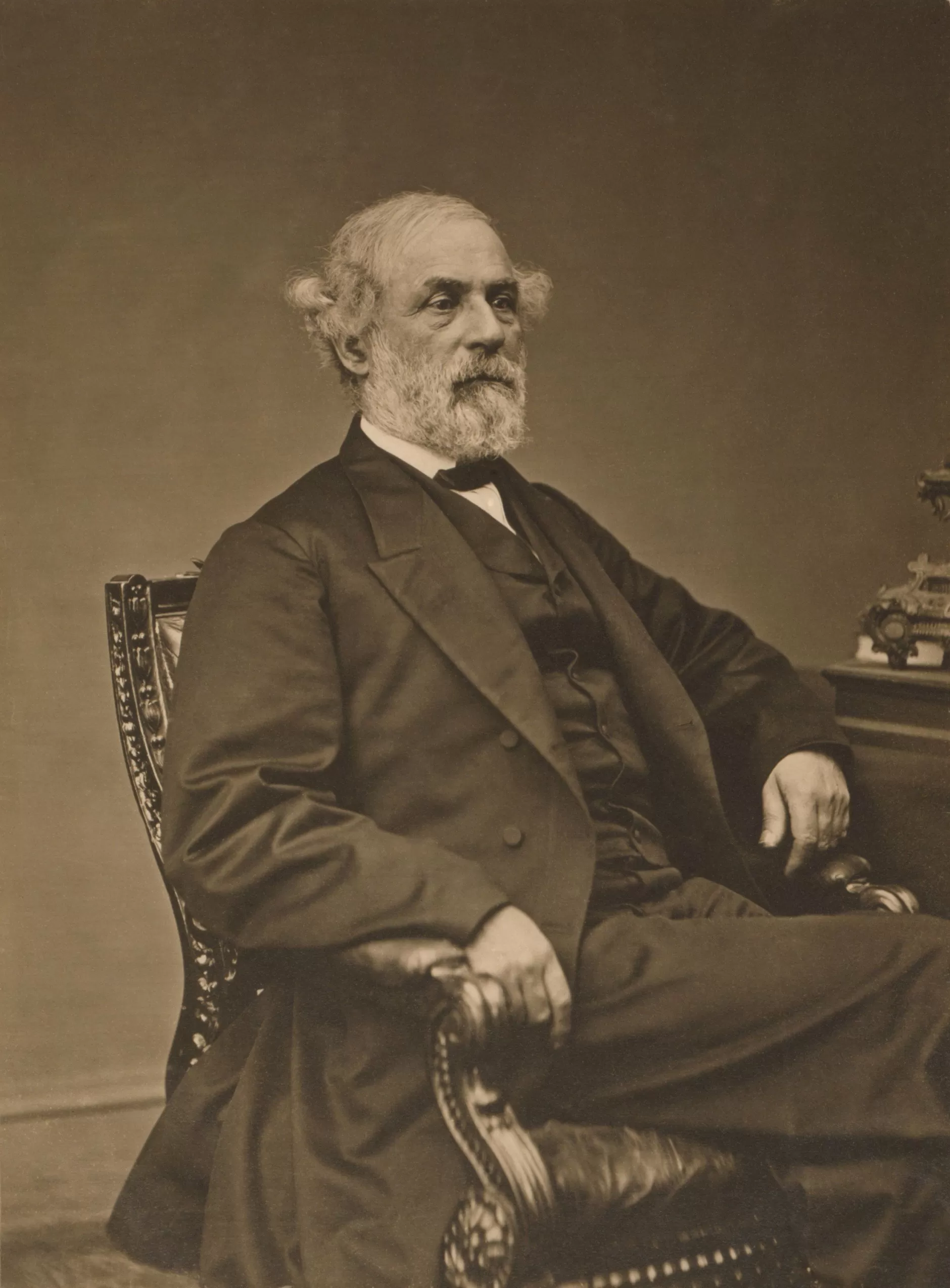
The Two Reputations of Robert E. Lee
Robert E. Lee, a man who has been immortalized in history books as a Confederate general, is a figure that evokes strong emotions and divided opinions. To some, he is a hero, a symbol of Southern pride and honor. To others, he is a traitor, a symbol of racism and oppression. But perhaps what is most interesting about Lee is that he has two distinct reputations – one as a military leader and the other as a symbol of the Confederacy.
In the preface to a book published by The Epoch Times, the author reflects on the two reputations of Robert E. Lee and how they have evolved over time. On one hand, Lee is revered by many for his military prowess and leadership during the Civil War. He was a brilliant strategist, a fearless commander, and a respected figure among his troops. His military career was marked by numerous victories, and his dedication to duty and honor earned him the admiration and loyalty of his soldiers.
However, on the other hand, Lee’s legacy is also tainted by his association with the Confederacy. As a general in the Confederate Army, he fought to defend the Southern states and their right to uphold slavery. This has led to his image being associated with racism and discrimination, especially in light of the current debate surrounding Confederate symbols and monuments.
So, how do we reconcile these two reputations of Robert E. Lee? Can we separate the man from the cause he fought for? These are questions that have been debated for decades, and the answers are not always clear.
Some argue that Lee should be judged solely on his military achievements and not on his political beliefs. They point to his leadership during the war and his efforts to reconcile with the North after the Confederacy’s defeat. They also argue that Lee was a product of his time and should not be judged by today’s standards.
Others, however, believe that Lee’s actions as a military leader cannot be separated from his beliefs and actions as a Confederate general. They argue that by fighting for the Confederacy, Lee was complicit in perpetuating a system of oppression and inequality. They also point to his ownership of slaves and his reluctance to support the abolition of slavery.
Despite these differing opinions, one thing is certain – Robert E. Lee’s legacy is complex and cannot be easily defined. He was a man of his time, with all the flaws and virtues that come with it. And while he may have made mistakes and held beliefs that are now deemed unacceptable, it is also important to acknowledge his contributions to the history of the United States.
It is also worth considering that Lee’s reputation has evolved over time. While he was initially celebrated as a hero in the South, the Civil Rights Movement of the 1960s brought a new perspective to his legacy. As the fight against racial inequality and discrimination gained momentum, Lee’s association with the Confederacy became more problematic and controversial.
Today, we are once again at a crossroads where we must confront the legacy of Robert E. Lee and other Confederate figures. The recent protests and debates over Confederate symbols have reignited the discussion about how we remember and honor our past. And while there may not be a clear-cut answer, it is crucial that we have open and honest conversations about these issues.
In the end, the two reputations of Robert E. Lee – as a military leader and a symbol of the Confederacy – are not mutually exclusive. They are both part of his legacy, and we cannot ignore one in favor of the other. Instead, we must strive to understand and learn from the complexities of history and use it to shape a better future for all.
As we continue to reflect on the two reputations of Robert E. Lee, let us also remember that the Civil War was a tragic and divisive period in our nation’s history. It is a reminder of the consequences of hate, division, and discrimination. And it is up to us to ensure that we do not repeat the mistakes of the past and work towards a more inclusive and just society.
In conclusion, Robert E. Lee may have two reputations, but it is up to us to determine how we remember him. Let us honor his military achievements while also acknowledging the problematic aspects of his beliefs and actions. Only then can we move forward and build a better future for all Americans.
