
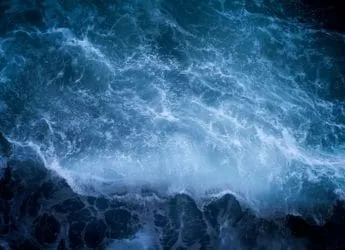
A new study published in Global Change Biology has revealed alarming news about the state of our oceans. According to the study, Earth’s oceans may have entered a dangerous acidification zone in 2020, much earlier than previously predicted. This is a result of increasing CO₂ emissions, which are causing marine ecosystems to degrade at an alarming rate. The consequences of this acidification are far-reaching, posing a threat to biodiversity, food security, and coastal economies. Scientists are calling it a ticking time bomb for the environment and society, and urgent action is needed to address this issue.
The study, which was conducted by a team of international researchers, analyzed data from the past 25 years and found that the pH levels of the oceans have decreased by 0.1 units. This may seem like a small change, but it is significant enough to push the oceans into a dangerous acidification zone. This is due to the absorption of excess CO₂ from the atmosphere, which reacts with seawater to form carbonic acid. This acidification has a devastating impact on marine life, as it makes it difficult for organisms such as corals, shellfish, and plankton to build their shells and skeletons.
The consequences of ocean acidification are not limited to marine life. It also has a ripple effect on the entire ecosystem, including humans. As marine organisms struggle to survive in acidic waters, it disrupts the food chain, affecting the entire marine ecosystem. This, in turn, has a direct impact on the fishing industry, which provides livelihoods for millions of people around the world. In addition, the loss of coral reefs, which are home to a quarter of all marine species, will have a devastating impact on biodiversity.
The study also highlights the threat to food security. Millions of people around the world rely on seafood as a major source of protein. With the degradation of marine ecosystems, the availability and quality of seafood will be greatly affected, leading to food shortages and potential health risks. This is a serious concern, especially for developing countries that heavily rely on seafood as a staple food.
The economic impact of ocean acidification cannot be ignored either. Coastal economies, which heavily rely on tourism and fisheries, will suffer greatly. The loss of coral reefs, which attract tourists and provide a habitat for fish, will have a significant impact on the tourism industry. In addition, the decline in fish populations will have a direct impact on the fishing industry, leading to job losses and economic instability in coastal communities.
The study’s findings are a wake-up call for all of us. It is a stark reminder that our actions have a direct impact on the environment and the world we live in. The increase in CO₂ emissions, primarily from the burning of fossil fuels, is the main culprit behind ocean acidification. It is a global issue that requires immediate and collective action from governments, industries, and individuals.
The good news is that there is still time to reverse the damage and prevent further acidification of our oceans. The study suggests that reducing CO₂ emissions can slow down the acidification process and give marine ecosystems a chance to recover. This can be achieved through the use of renewable energy sources, reducing our carbon footprint, and implementing sustainable practices in industries such as fishing and tourism.
In addition, we need to take steps to protect and restore marine ecosystems. This includes reducing pollution and overfishing, as well as implementing measures to protect coral reefs and other vulnerable habitats. It is also crucial to raise awareness about the issue and educate the public on the importance of preserving our oceans.
The study’s findings may be alarming, but they also serve as a call to action. We have the power to make a positive impact and protect our oceans for future generations. It is time for us to come together and take action before it’s too late. Let’s work towards a cleaner, healthier, and more sustainable future for our oceans and the planet.
