
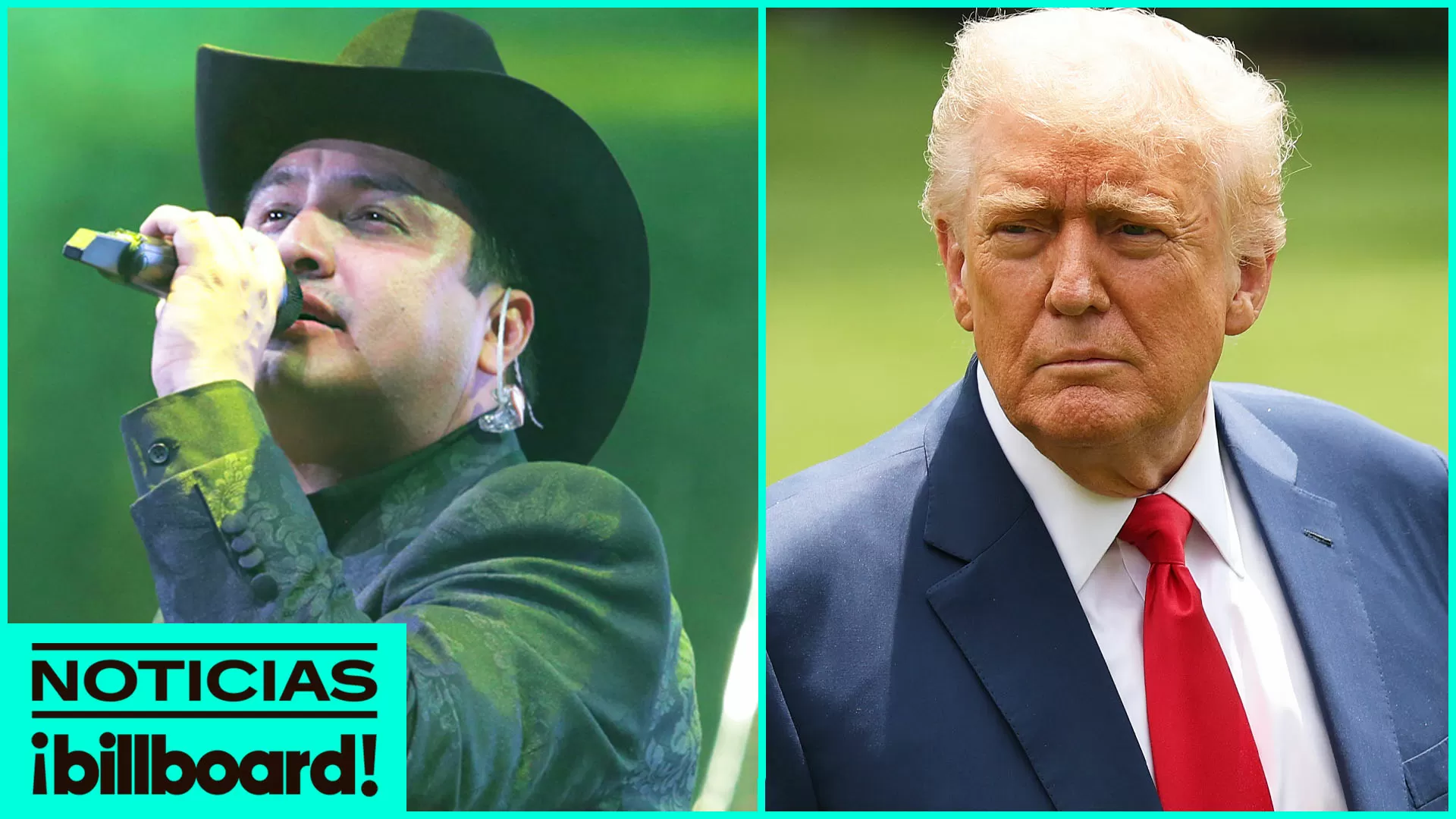
Donald Trump’s recent policies have caused quite a stir in the regional Mexican music market. In the past two months, several popular artists such as Grupo Firme and Julión Álvarez have had their visas revoked, leaving many fans and industry professionals wondering about the impact of these policies on the music industry.
For those unfamiliar with regional Mexican music, it is a genre that encompasses various styles such as banda, norteño, and ranchera, and is deeply rooted in Mexican culture. It has a huge following not only in Mexico but also in the United States, where many Mexican immigrants have settled and continue to celebrate their heritage through music.
The revocation of visas for regional Mexican artists has caused a ripple effect in the industry. Many concerts and tours have been canceled, leaving fans disappointed and artists struggling to make a living. This has not only affected the artists themselves but also the entire ecosystem of the music market, including promoters, venues, and other professionals who rely on these events for their livelihood.
One of the most affected artists is Grupo Firme, a popular banda group known for their energetic live performances and loyal fan base. The group was scheduled to perform in several cities in the United States, but due to the visa revocation, they had to cancel their tour. This not only resulted in financial losses for the group but also left their fans disappointed and longing for their music.
Similarly, Julión Álvarez, a well-known norteño singer, also had his visa revoked, causing him to cancel his tour and miss out on potential opportunities to expand his fan base in the United States. This is a significant setback for an artist who has worked hard to establish himself in the competitive music industry.
But it’s not just about the financial impact on the artists. These policies also have a cultural impact on the Mexican community in the United States. Regional Mexican music is not just about entertainment; it is a way for many Mexican immigrants to connect with their roots and feel a sense of belonging in a foreign land. By revoking visas for these artists, the Trump administration is essentially silencing a significant part of the Mexican culture in the United States.
Moreover, these policies also send a message of discrimination and exclusion to the Mexican community. It is no secret that Trump’s administration has taken a hard stance on immigration, and these actions against regional Mexican artists only add fuel to the fire. It creates a sense of fear and uncertainty among the Mexican community, who are already facing many challenges in the current political climate.
As expected, these policies have sparked a lot of debate and discussion among music fans and industry professionals. Many have expressed their disappointment and frustration, while others have shown their support for the artists and their music. Some have even called for a boycott of events and artists who support Trump’s policies.
In conclusion, the impact of Trump’s policies on regional Mexican artists cannot be ignored. It has not only affected the artists themselves but also their fans and the entire music market. These policies not only have financial implications but also cultural and social consequences. As a society, we should strive to celebrate diversity and embrace different cultures, rather than creating barriers and divisions. Let us hope that these policies will be reconsidered, and regional Mexican artists will once again be able to share their music and culture with their fans in the United States.
