
Scientists have issued a warning that Earth is still vulnerable to solar storms due to a lack of early data on its magnetic fields. This means that our current satellites can only provide a few minutes of warning, leaving us with limited time to protect crucial systems such as power grids, satellites, and GPS systems. Without a more comprehensive understanding of solar activity from multiple perspectives, a major storm could have catastrophic consequences, highlighting the urgent need for action.
Solar storms, also known as geomagnetic storms, are a natural phenomenon that occurs when the sun releases a burst of energy and particles into space. These storms can have a significant impact on Earth’s magnetic field, causing disruptions in our technological infrastructure. In the past, solar storms have caused power outages, disrupted communication systems, and even damaged satellites.
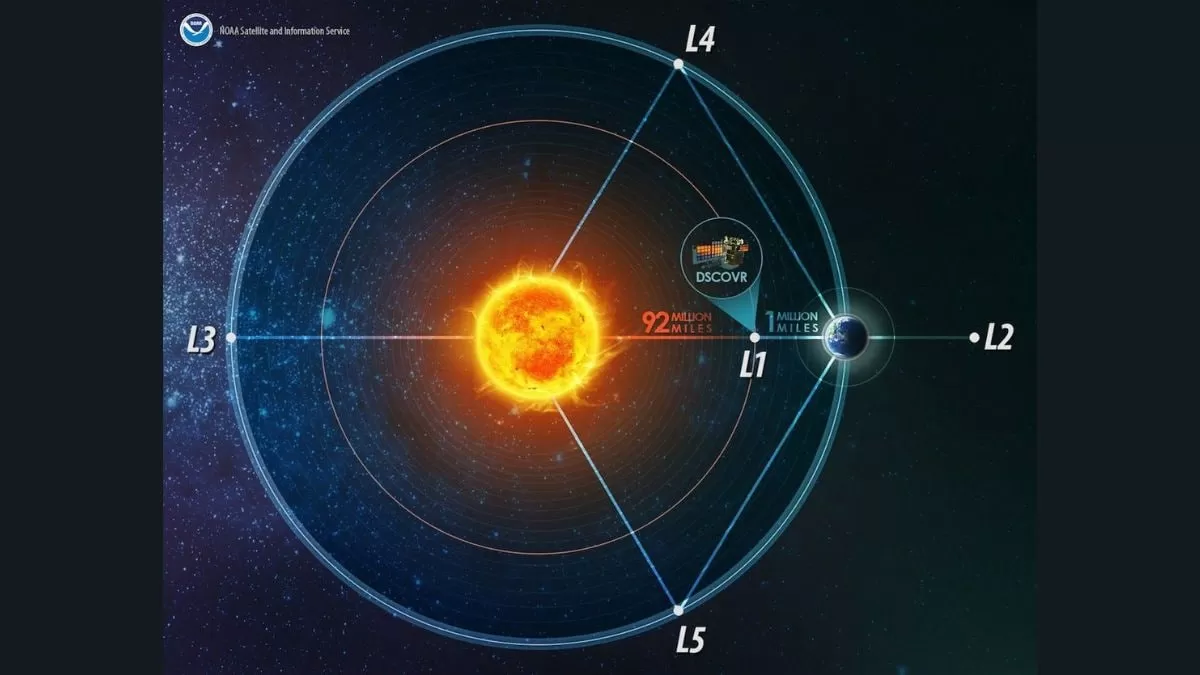
One of the main challenges in predicting and preparing for solar storms is the lack of early warning. Our current satellites can only provide a few minutes of notice before a storm hits, leaving us with little time to take preventive measures. This is due to the fact that our understanding of Earth’s magnetic field is still limited, and we do not have a comprehensive view of solar activity from different angles.
To better understand the impact of solar storms, scientists need to gather data from multiple perspectives. This includes studying the sun’s magnetic field, the Earth’s magnetic field, and the interactions between the two. However, our current satellites are only capable of measuring the Earth’s magnetic field from one angle, leaving us with a limited understanding of the bigger picture.
Without a more comprehensive understanding of solar activity, we are at risk of being caught off guard by a major storm. The consequences of such an event could be catastrophic, with potential disruptions to our power grids, communication systems, and GPS navigation. This not only poses a threat to our daily lives but also to critical infrastructure such as hospitals, transportation, and emergency services.
To address this issue, scientists are calling for a more coordinated effort to gather data on solar activity. This includes launching new satellites that can provide a more comprehensive view of Earth’s magnetic field and its interactions with the sun. By having a better understanding of solar storms, we can improve our ability to predict and prepare for them, ultimately minimizing their impact on our technological infrastructure.
In addition to launching new satellites, scientists are also working on developing better prediction models and early warning systems. These systems would allow us to anticipate and prepare for solar storms with more accuracy and efficiency. This is crucial in protecting our technological infrastructure and ensuring the safety and well-being of our society.
The need for a more comprehensive understanding of solar activity is pressing, and the consequences of inaction could be severe. It is essential that we invest in the necessary resources and technology to gather data from multiple angles and improve our ability to predict and prepare for solar storms. This is not only a matter of protecting our technological infrastructure but also ensuring the safety and security of our planet.
In conclusion, scientists have warned that Earth remains exposed to solar storms due to a lack of early data on its magnetic fields. Our current satellites can only provide a few minutes of warning, leaving us with limited time to protect crucial systems. To address this issue, a more coordinated effort is needed to gather data from multiple angles and improve our prediction and early warning systems. By taking action now, we can better protect our technological infrastructure and mitigate the potential catastrophic consequences of a major solar storm.
