
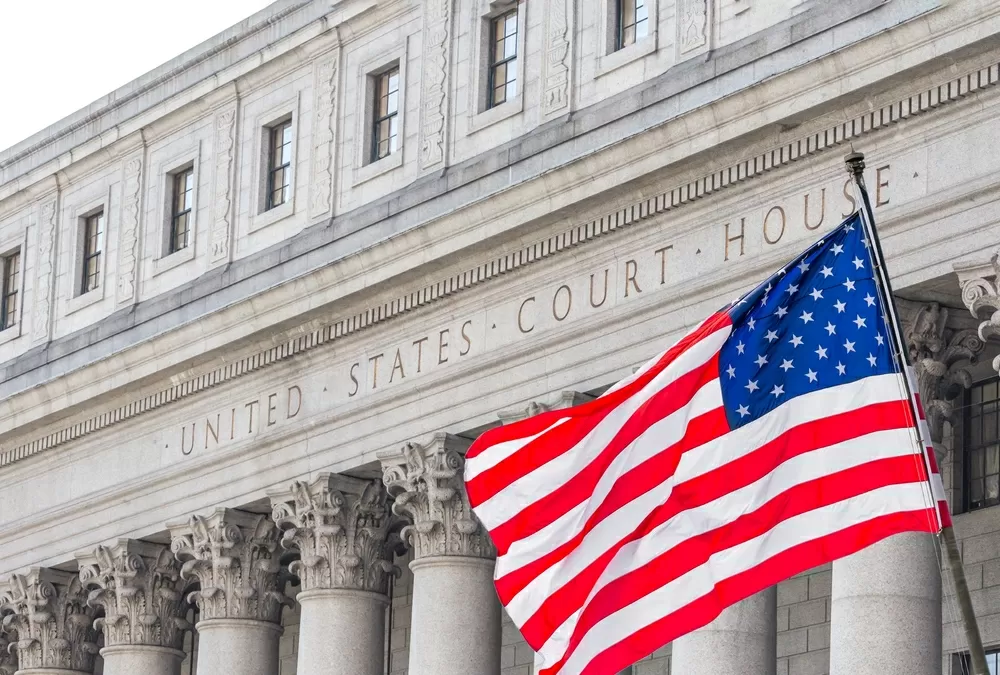
The recent decision by the United States Supreme Court to allow President Donald Trump to remove the protected status for Venezuelans has sparked both controversy and celebration. This move comes as a surprise to many, as the protected status was originally put in place by the Trump administration in 2019 to protect Venezuelans fleeing the political and economic crisis in their home country. However, the decision to remove this protection has been met with mixed reactions, with some applauding the move as a necessary step towards immigration reform, while others see it as a heartless and unjust decision.
The protected status, also known as Temporary Protected Status (TPS), is a humanitarian program that allows immigrants from certain countries to live and work in the United States if their home country is facing ongoing armed conflict, environmental disaster, or other extraordinary and temporary conditions. This program was first established in 1990 and has been renewed by both Democratic and Republican administrations over the years. However, the Trump administration has been vocal about their intention to end this program, arguing that it was never meant to be a long-term solution for immigrants and that it should only be used in extreme cases.
In the case of Venezuela, the protected status was granted in 2019 due to the ongoing political and economic turmoil in the country. Venezuela has been facing a deepening crisis under President Nicolas Maduro, with hyperinflation, food shortages, and political repression driving millions of Venezuelans to flee their home country. The protected status allowed these individuals to legally live and work in the United States, providing them with much-needed relief and stability.
However, the Trump administration has argued that the conditions in Venezuela have improved since the initial grant of the protected status and that it is now safe for Venezuelans to return to their home country. This decision was met with strong opposition from immigrant rights groups, who argued that the situation in Venezuela is still dire and that returning Venezuelans could face persecution and harm.
The case made its way to the Supreme Court, where the majority ruled in favor of the Trump administration, allowing them to end the protected status for Venezuelans. In their decision, the court stated that the administration has the authority to make such decisions and that the protected status should only be used in extreme situations. This decision has set a precedent for the administration to potentially end protected status for other countries as well.
While this decision has been met with criticism from immigrant rights groups and some politicians, others see it as a necessary step towards immigration reform. President Trump has long been a vocal advocate for stricter immigration policies, and this decision is seen by many as a move towards fulfilling that promise. By ending the protected status for Venezuelans, the administration is sending a strong message that they are serious about enforcing immigration laws and that they will not tolerate abuse of the system.
Furthermore, the decision has been praised by those who argue that the protected status was never meant to be a long-term solution for immigrants. They argue that the program was put in place to provide temporary relief during times of crisis and that it should not be used as a way for individuals to stay in the United States permanently. By ending the protected status for Venezuelans, the administration is upholding the original intent of the program and ensuring that it is not being abused.
In addition, this decision is seen as a positive step towards immigration reform. The protected status program has been criticized for being a temporary fix to a larger issue, and many believe that it is time for a more comprehensive and permanent solution. By ending the protected status for Venezuelans, the administration is opening up opportunities for a more sustainable and long-term approach to immigration policy.
It is important to note that this decision does not mean that Venezuelans will be immediately deported. The protected status will be phased out over the next 18 months, giving individuals time to make alternative arrangements. In addition, those currently under the protected status may be eligible for other forms of relief, such as asylum or other immigration programs.
In conclusion, the Supreme Court’s decision to allow President Trump to remove the protected status for Venezuelans has sparked both controversy and celebration. While some view it as a heartless and unjust decision, others see it as a necessary step towards immigration reform. This decision has set a precedent for the administration to potentially end protected status for other countries in the future and is seen as a positive step towards a more comprehensive and permanent solution to immigration policy.
