
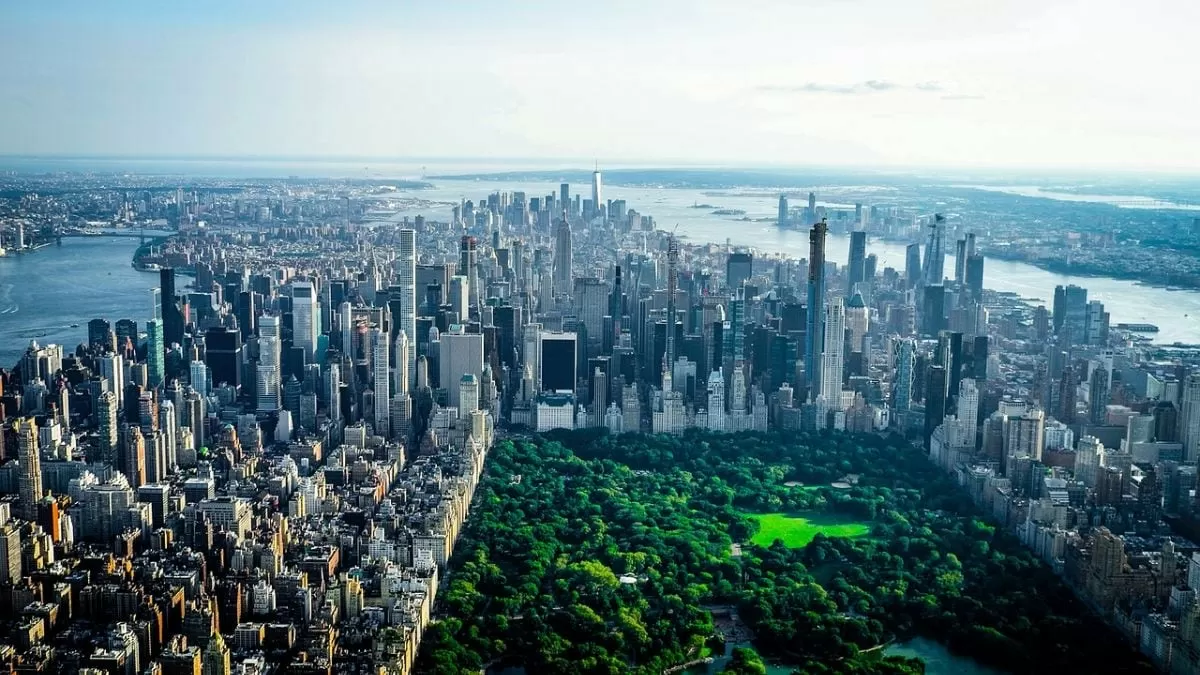
A recent satellite study has brought to light a concerning trend – 28 of the most populous cities in the United States, including the likes of New York and Chicago, are sinking at an alarming rate. The study, which was conducted by a team of researchers, has revealed that these cities are experiencing a yearly subsidence of up to 10 millimetres. This is a significant finding, as it sheds light on the impact of groundwater extraction on urban areas and the potential threats it poses to infrastructure.
It is no secret that many cities around the world, especially in developing countries, are facing the consequences of over-extraction of groundwater. However, this new study has highlighted that even developed countries like the United States are not immune to this problem. The researchers found that groundwater extraction is the key driver behind the sinking of these cities. As the demand for water continues to rise, cities are extracting more and more groundwater, causing the ground beneath them to collapse.
The implications of this trend are far-reaching and pose a serious threat to the infrastructure of these cities. From roads and bridges to buildings and underground utility lines, all are at risk of damage due to the sinking ground. This is particularly concerning for cities like New York and Chicago, where the population is dense, and the infrastructure is already under immense pressure. The sinking ground can lead to cracks, potholes, and even collapse of infrastructure, resulting in significant economic losses and disruptions to daily life.
What makes this study even more concerning is that it has revealed that even inland cities, which are not typically associated with such risks, are also experiencing subsidence. This further emphasizes the need for immediate action to address this issue before it becomes irreversible. We cannot afford to ignore the warning signs any longer.
The good news is that there are steps that can be taken to mitigate the effects of groundwater extraction on our cities. The first and most crucial step is to reduce our reliance on groundwater. Instead, we need to shift towards more sustainable sources of water, such as rainwater harvesting, greywater recycling, and desalination. This will not only help in preserving our groundwater reserves but also reduce the pressure on the ground below our cities.
Additionally, we need to invest in technologies that can help monitor and manage groundwater levels. The use of satellite imagery and other advanced technologies can provide us with real-time data on groundwater levels, allowing us to take timely and effective measures to prevent subsidence. Moreover, implementing strict regulations and policies on groundwater extraction can also help in curbing this issue.
It is also essential for us to raise awareness about the impact of groundwater extraction on our cities. Many people are not aware of the consequences of their actions, and it is our responsibility to educate and inform them. Community involvement is crucial in addressing this issue, and we must all work together to find sustainable solutions.
It is high time for us to take action and address the sinking of our cities. The findings of this study should serve as a wake-up call for us to prioritize the conservation of our groundwater resources. We cannot continue to ignore the warning signs and put our infrastructure and communities at risk.
However, it is not all doom and gloom. This study has provided us with valuable insights into the issue, and with the right actions, we can still prevent further damage. We have the technology, resources, and knowledge to address this problem. All we need is the determination and will to act before it’s too late.
In conclusion, the satellite study has revealed a harsh reality – our cities are sinking, and we need to act fast. Groundwater extraction is the primary cause behind this trend, and it is imperative that we take immediate steps to reduce our reliance on it. The sinking of our cities poses a significant threat to our infrastructure and daily lives, and it is our responsibility to address this issue before it becomes irreversible. Let us work together to find sustainable solutions and protect our cities for future generations.
