
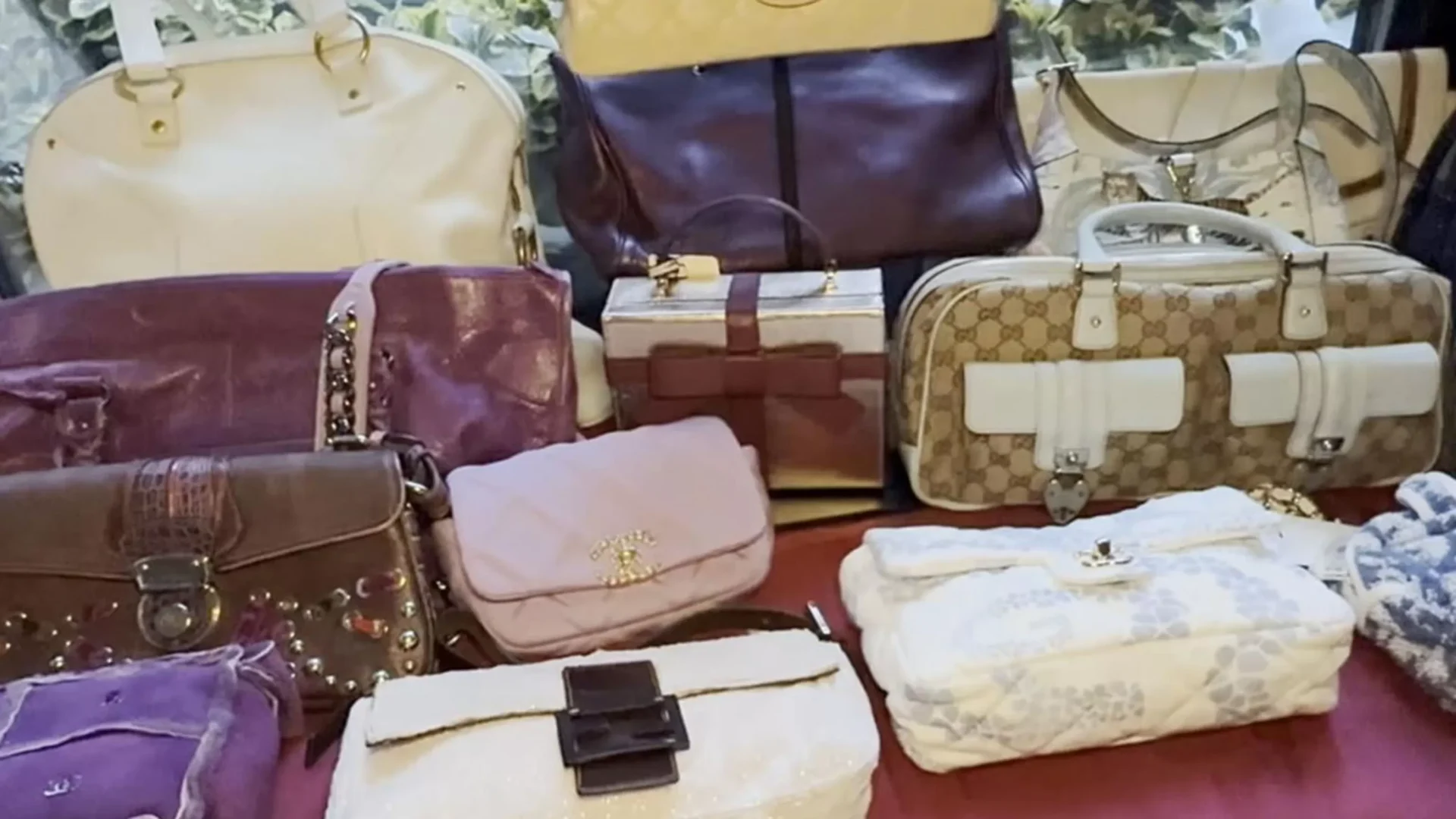
In recent years, there has been a significant shift in the fashion industry towards sustainability and conscious consumerism. As a result, more and more shoppers are turning to vintage and secondhand bags as a way to not only reduce their environmental impact but also to add unique and timeless pieces to their wardrobe. This trend has caught the attention of fashion insiders and industry experts, with McKinsey predicting that the secondary luxury market will outpace retail luxury by 2027. So, what is driving this change in consumer behavior and why are vintage and secondhand bags becoming increasingly popular? Let’s take a closer look.
One of the main reasons for the rise in popularity of vintage and secondhand bags is the growing awareness and concern for the environment. The fashion industry is known to be one of the most polluting industries in the world, and the production of new luxury bags contributes to this environmental damage. By choosing to buy pre-owned bags, shoppers are reducing the demand for new bags and therefore, reducing the amount of waste and resources used in the production process. This aligns with the values of many consumers who are looking to make more sustainable and ethical choices in their shopping habits.
Moreover, vintage and secondhand bags offer a unique and one-of-a-kind appeal that cannot be replicated by mass-produced luxury bags. These bags have a story and history behind them, making them more special and meaningful to their owners. They also often come at a lower price point, making luxury bags more accessible to a wider range of consumers. This combination of sustainability, uniqueness, and affordability is a winning formula for many shoppers, especially millennials and Gen Z who are more conscious about their purchases and value individuality.
Another factor contributing to the rise of vintage and secondhand bags is the growing trend of “investment pieces”. Instead of buying fast fashion items that will only last for a season, consumers are now looking for high-quality, timeless pieces that will stand the test of time. Vintage and secondhand bags, particularly those from luxury brands, are known for their durability and craftsmanship, making them a smart investment for those looking to build a long-lasting and versatile wardrobe. This shift towards investment pieces is also a reflection of the changing attitudes towards consumerism and a desire for more sustainable and responsible consumption.
The rise of social media and influencer culture has also played a significant role in the popularity of vintage and secondhand bags. With the rise of platforms like Instagram and TikTok, fashion influencers have a huge influence on consumer behavior and trends. Many influencers have been seen sporting vintage and secondhand bags, showcasing how these pieces can be styled in modern and trendy ways. This has helped to break the stigma around pre-owned items and has made them more desirable and aspirational for consumers.
In addition to the environmental and ethical benefits, buying vintage and secondhand bags also allows consumers to support small businesses and local sellers. With the rise of online marketplaces and consignment stores, it has become easier for individuals to sell their pre-owned bags and for buyers to find unique pieces. This has created a more circular economy within the fashion industry, where items are given a second life rather than being discarded. By supporting these small businesses, consumers are not only contributing to a more sustainable fashion industry but also supporting the local economy.
The shift towards vintage and secondhand bags is not just a passing trend, but a movement towards a more sustainable and responsible fashion industry. This is evident in the predictions made by McKinsey, which suggest that the secondary luxury market will outpace retail luxury by 2027. Luxury brands have also taken notice of this trend and are now incorporating sustainability into their business models, with some even launching their own pre-owned programs. This shows that the fashion industry is evolving and adapting to meet the changing demands and values of consumers.
In conclusion, the rise in popularity of vintage and secondhand bags can be attributed to a combination of factors such as sustainability, uniqueness, affordability, and the influence of social media. This trend is not only a reflection of changing consumer behavior but also a step towards a more sustainable and responsible fashion industry. With the predictions of McKinsey and the efforts of luxury brands, it is clear that the secondary luxury market is here to stay and will continue to grow in the years to come. So, next time you’re looking to add a new bag to your collection, consider going vintage or secondhand and make a positive impact on the environment and the fashion industry.
