
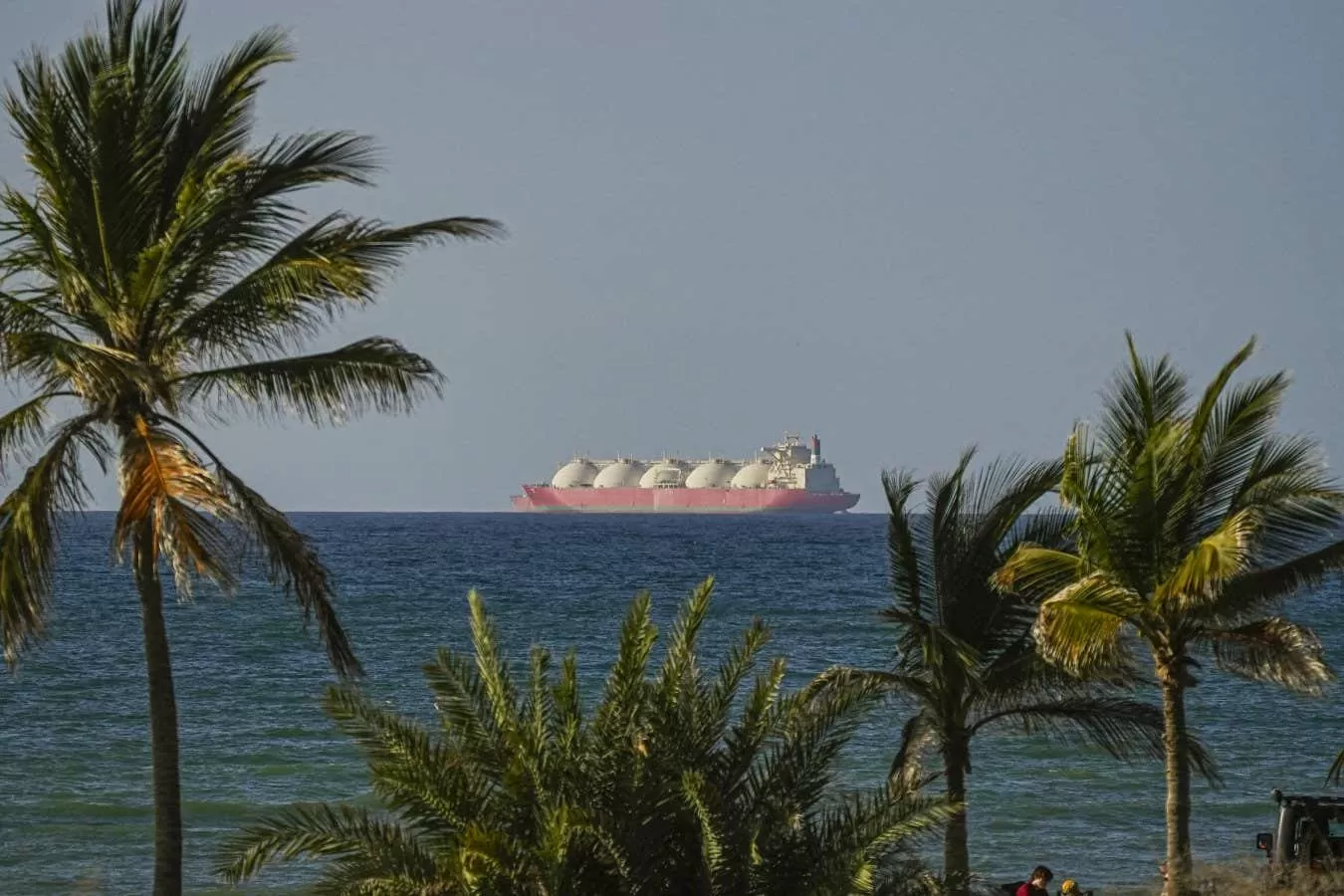
The Strait of Hormuz has been making headlines in recent months, and for good reason. This narrow waterway, which connects the Persian Gulf to the Indian Ocean, has become the stage for a complex conflict between major world powers. The tensions have escalated to a point where some experts have referred to the situation as a “war of attrition,” a term from game theory that sheds light on the dynamics at play in this ongoing conflict.
Game theory, a branch of mathematics that studies decision-making in strategic situations, can provide a unique perspective on the ongoing conflict in the Strait of Hormuz. According to Petros Sekeris, a professor of economics at the University of Manchester, the principles of game theory can help us better understand the motivations and actions of the countries involved in the conflict.
At its core, a war of attrition is a prolonged conflict where both parties are unwilling to back down and continue to stay engaged in a battle of wills. In this situation, it may seem like neither side can win, leading to a stalemate. However, game theory suggests that there may be underlying factors that incentivize both parties to continue their actions.
In the case of the Strait of Hormuz, the conflict can be seen as a game between Iran and the United States, with other countries such as the United Kingdom and Saudi Arabia also playing significant roles. Iran’s actions, such as seizing foreign oil tankers and shooting down a US military drone, can be seen as moves in this strategic game. On the other hand, the US has responded with sanctions and military presence in the region, also making calculated moves in this game.
According to game theory, in a war of attrition, both parties are motivated to stay engaged in the conflict due to the potential rewards they may receive if they outlast the other side. In the case of the Strait of Hormuz, Iran’s ultimate goal is to lift the economic sanctions imposed by the US, while the US aims to protect its interests and allies in the region.
Game theory also offers an explanation for the seemingly irrational actions of both parties in this conflict. For instance, Iran’s decision to seize foreign oil tankers can be seen as a move to increase the costs of the conflict for the US and its allies. By disrupting the flow of oil through the Strait, Iran hopes to pressure the US into lifting the sanctions.
On the other hand, the US’s decision to impose sanctions and increase military presence can be seen as a way to increase the costs for Iran and force them to back down. This is known as the “escalation of commitment” in game theory, where parties become increasingly committed to a course of action in hopes of achieving their desired outcome.
While game theory may not provide a solution to the conflict in the Strait of Hormuz, it offers valuable insights into the motivations and actions of the parties involved. By understanding the underlying principles at play, we can gain a better understanding of the dynamics of this complex situation.
Moreover, game theory suggests that there may be a point where both parties will reach a mutually acceptable outcome. This is known as the “Nash equilibrium,” where neither party can improve their position by changing their strategy. In the case of the Strait of Hormuz, this may involve a compromise between Iran and the US, where both parties can achieve some of their goals without suffering excessive costs.
It is also essential to note that game theory is not solely about conflict; it can also be applied to cooperation between parties. In the case of the Strait of Hormuz, countries such as Oman and Japan have been working towards maintaining open communication and de-escalating tensions in the region. This cooperative approach can lead to a “cooperative equilibrium,” where all parties benefit from working together towards a common goal.
In conclusion, the conflict in the Strait of Hormuz has become a situation in game theory known as a war of attrition. The concepts and principles of game theory can help us better understand the motivations and actions of the parties involved and offer a unique perspective on the dynamics of this ongoing conflict. While game theory may not provide a solution, it can guide us towards a better understanding of the situation and potentially lead to a mutually acceptable outcome. With cooperation and communication, it is possible to break the stalemate and find a resolution to the conflict in the Strait of Hormuz.
