
Filtering a Protein that May Cause Sepsis can Improve Survival
Sepsis is a life-threatening condition that occurs when the body’s response to an infection triggers a widespread inflammatory response. It can lead to tissue damage, organ failure, and even death if left untreated. According to the World Health Organization, sepsis affects more than 30 million people worldwide every year, with an estimated 6 million deaths. It is a significant public health issue that requires prompt and effective treatment.
In recent years, there has been a breakthrough in sepsis treatment with the discovery of a protein that plays a crucial role in triggering the body’s inflammatory response. This protein, known as high mobility group box 1 (HMGB1), is released in response to infection and can cause severe damage to organs, leading to sepsis. However, recent studies have shown promising signs that filtering HMGB1 from the blood can improve survival rates for patients with sepsis.
One such study, conducted by a team of researchers at Monash University in Australia, found that filtering HMGB1 from the blood significantly increased survival rates in animal models of sepsis. The results of this study, published in the journal Nature Communications, shed light on a potential new treatment approach to combat sepsis.
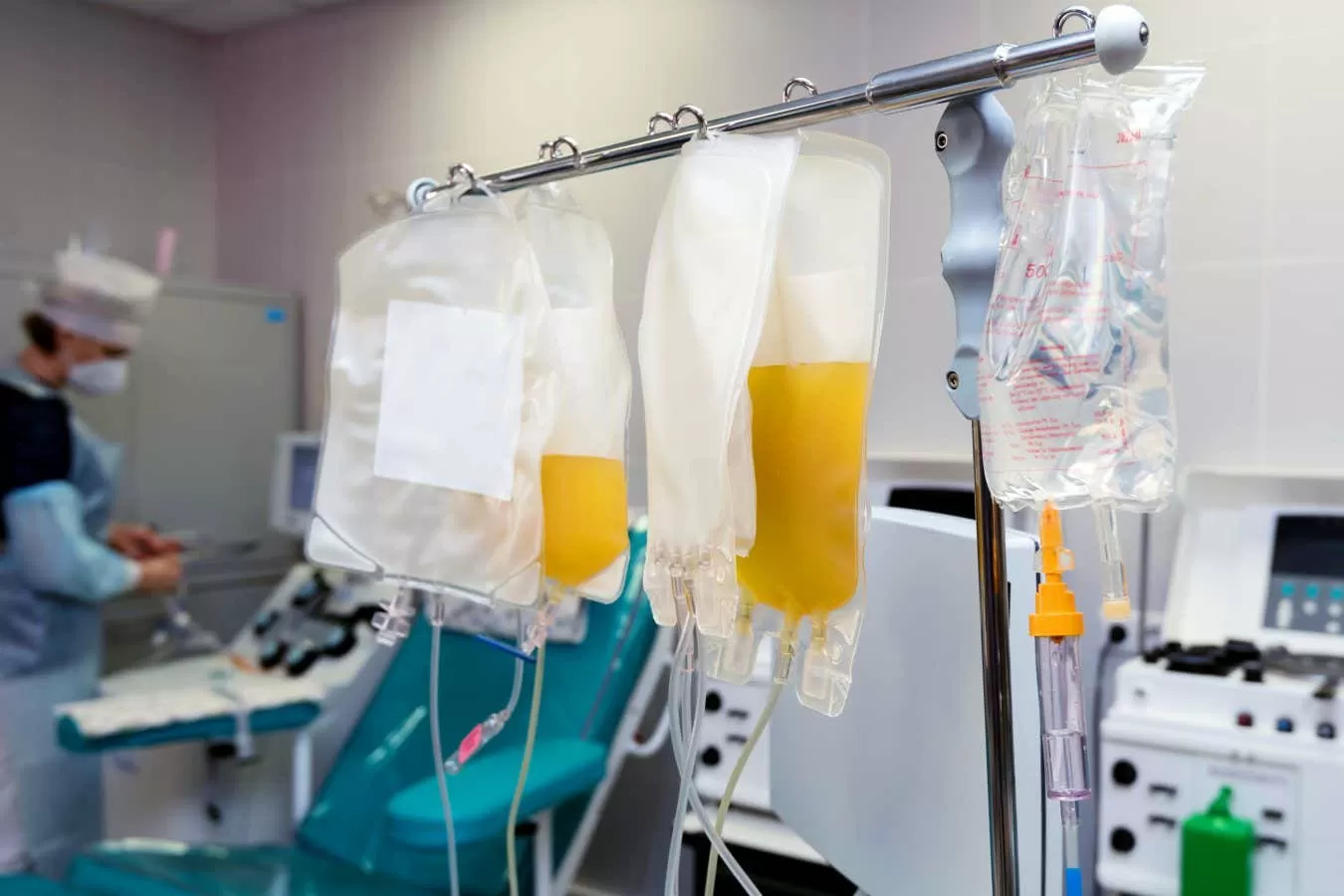
The researchers used a technique called extracorporeal blood purification to filter HMGB1 from the blood. This technique involves drawing the patient’s blood and passing it through a device that removes harmful substances, including the HMGB1 protein. The blood is then returned back to the patient’s body, free from HMGB1.
The study’s lead author, Dr. Pingping Han, explained that sepsis causes a massive release of HMGB1 into the bloodstream, leading to a cascade of inflammatory responses that can damage organs and tissues. By removing HMGB1 from the blood, the researchers were able to reduce the inflammatory response and protect against organ damage.
The results of this study are significant as they offer new hope for sepsis patients. Currently, the primary treatment approach for sepsis is to administer antibiotics to fight the infection and supportive care to maintain vital organ function. However, this treatment may not be sufficient in severe cases of sepsis, and mortality rates remain high.
With the discovery of HMGB1 and its role in sepsis, researchers can now explore new treatment options that target this protein. The use of extracorporeal blood purification is a promising approach that can be easily implemented in clinical settings and has the potential to improve patient outcomes.
This study is not the only one to show the benefits of filtering HMGB1 from the blood in sepsis. In a separate study published in the journal Critical Care, researchers found that removing HMGB1 from the blood improved survival rates and reduced the risk of organ failure in sepsis patients.
The research on HMGB1 and its role in sepsis is still in its early stages, but the results from these studies are undoubtedly promising. The potential of filtering HMGB1 from the blood to improve survival rates in sepsis patients offers a glimmer of hope for a condition that has long been associated with high mortality rates.
In addition to its potential as a treatment for sepsis, filtering HMGB1 from the blood may also have applications in other conditions where HMGB1 plays a role. These include autoimmune diseases, cancer, and chronic inflammatory disorders. The possibilities are endless, and further research in this area is crucial.
In conclusion, the discovery of HMGB1 and the potential of filtering it from the blood in sepsis patients has opened up a new frontier in the treatment of this life-threatening condition. The results of recent studies have shown that this approach can significantly improve survival rates and reduce the risk of organ damage. As researchers continue to explore this promising treatment option, we can look forward to more effective and successful outcomes for sepsis patients in the future.
