
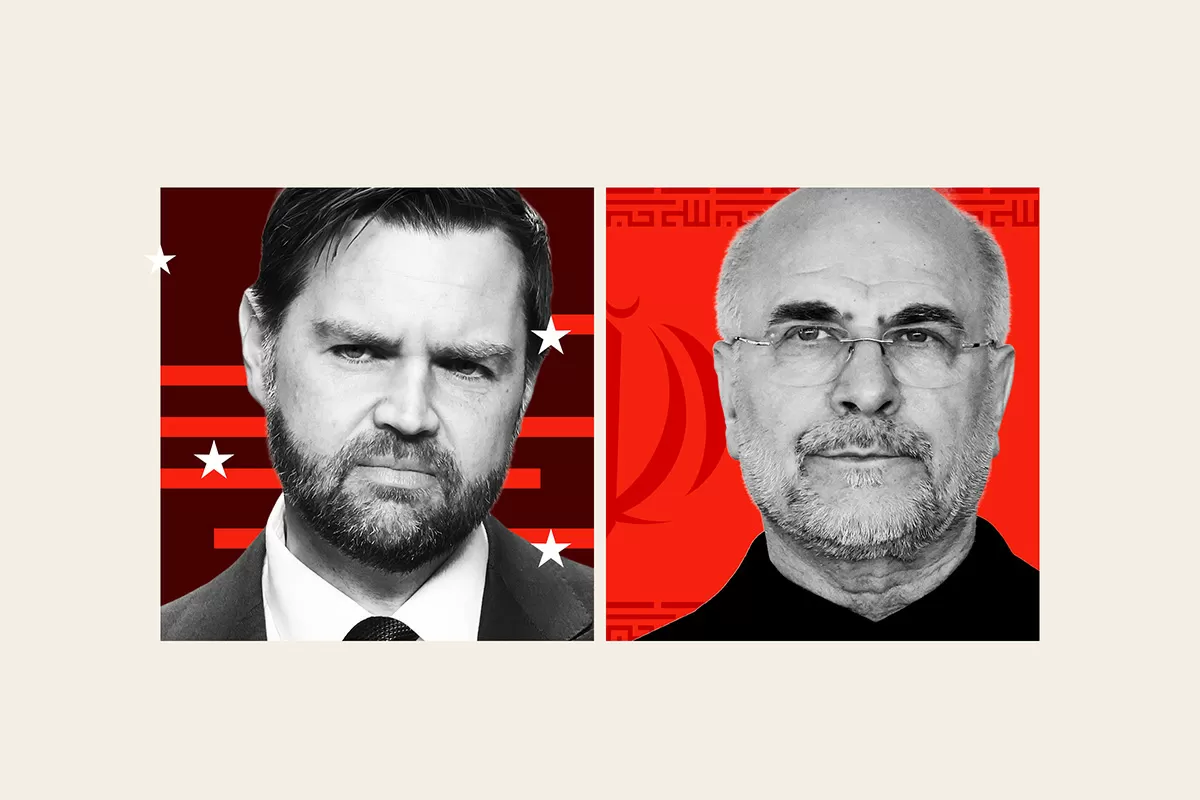
As the United States and Iran continue to engage in negotiations over the future of their relationship, both sides are facing a unique challenge. Not only do they have to navigate the complex dynamics between their two countries, but they also have to contend with internal divisions within their own teams. This task is made even more difficult as they look to strike a deal in Pakistan, a country that has its own set of political complexities.
The U.S. and Iranian teams have been engaged in talks for several months now, with the goal of reaching a comprehensive agreement that addresses the concerns of both nations. However, these negotiations have not been without their challenges. Both sides have had to grapple with internal divisions that have threatened to derail the progress being made.
On the U.S. side, there are those who believe that a hardline approach is necessary in dealing with Iran. These individuals argue that the only way to ensure that Iran does not develop nuclear weapons is through tough sanctions and a strong military presence. On the other hand, there are those who advocate for a more diplomatic approach, believing that dialogue and compromise are the key to resolving the issues between the two countries.
Similarly, the Iranian team is also facing its own internal divisions. There are hardliners who are opposed to any kind of deal with the U.S., viewing it as a sign of weakness. They argue that Iran should continue to pursue its nuclear program and not give in to the demands of the U.S. On the other hand, there are more moderate voices who believe that a deal with the U.S. is in the best interest of Iran and its people.
These internal divisions have been a major hurdle in the negotiations between the U.S. and Iran. Both sides have had to find a way to bridge the gap between their differing viewpoints and come to a compromise that satisfies everyone. This has not been an easy task, but it is a necessary one if a deal is to be reached.
Adding to the complexity of the situation is the fact that these negotiations are taking place in Pakistan. This country has its own political landscape, with various factions vying for power and influence. The U.S. and Iran must navigate this environment carefully, as any misstep could have serious consequences for the negotiations.
Despite these challenges, there is reason to be optimistic about the outcome of these talks. Both the U.S. and Iran have shown a willingness to engage in dialogue and find common ground. This is a positive sign that both sides are committed to reaching a deal that benefits everyone involved.
Moreover, the fact that these negotiations are taking place in Pakistan could actually work in favor of the U.S. and Iran. Pakistan has a history of playing a mediating role in international conflicts, and its leaders have expressed a desire to help facilitate a deal between the two countries. This could provide a neutral ground for the negotiations and help ease tensions between the U.S. and Iran.
It is also important to note that a successful deal between the U.S. and Iran could have far-reaching implications for the region. It could potentially lead to a more stable Middle East, with the two countries working together instead of against each other. This could also have a positive impact on Pakistan, as it shares borders with both the U.S. and Iran and could benefit from improved relations between the two.
In conclusion, while the U.S. and Iranian teams may have to navigate internal divisions, there is still hope for a successful outcome in their negotiations. Both sides have shown a willingness to find common ground and work towards a mutually beneficial agreement. And with the support of Pakistan, there is a real possibility that a deal can be reached. Let us remain optimistic and hopeful that these talks will lead to a more peaceful and stable future for all involved.
