
The Selective Service System, also known as the draft, is a program that has been in place for decades in the United States. Its purpose is to ensure that there is a pool of eligible individuals available for military service in case of a national emergency. In the past, it has been the responsibility of the individual to register with the Selective Service, but recent changes are shifting that responsibility to the agency itself.
This decision has been met with both praise and criticism, but the Selective Service System is standing firm in their belief that this change will ultimately benefit both the government and the individuals involved.
According to the agency, this change will shift the responsibility away from the individual and place it solely with the Selective Service. This means that all eligible individuals will automatically be registered with the program without having to take any action themselves. This will not only make the process more efficient but will also ensure that no one falls through the cracks and is left unregistered.
One of the main reasons for this change is to increase the accuracy of the Selective Service System’s database. Currently, there are approximately 17 million men aged 18-25 registered with the program, but it is estimated that there are an additional 1 million who are eligible but have not registered. This gap can cause significant issues if the draft is ever activated.
With the responsibility now resting solely on the Selective Service, there will be no room for error. The agency will have access to reliable data and will be able to maintain an up-to-date list of eligible individuals. This will not only benefit the government but will also provide peace of mind for those who are eligible for military service.
Another important aspect of this change is the elimination of penalties for failing to register with the Selective Service. Currently, failure to register can result in fines, denial of federal financial aid, and in some cases, even jail time. This change will ensure that young men do not have to face these consequences for a simple oversight.
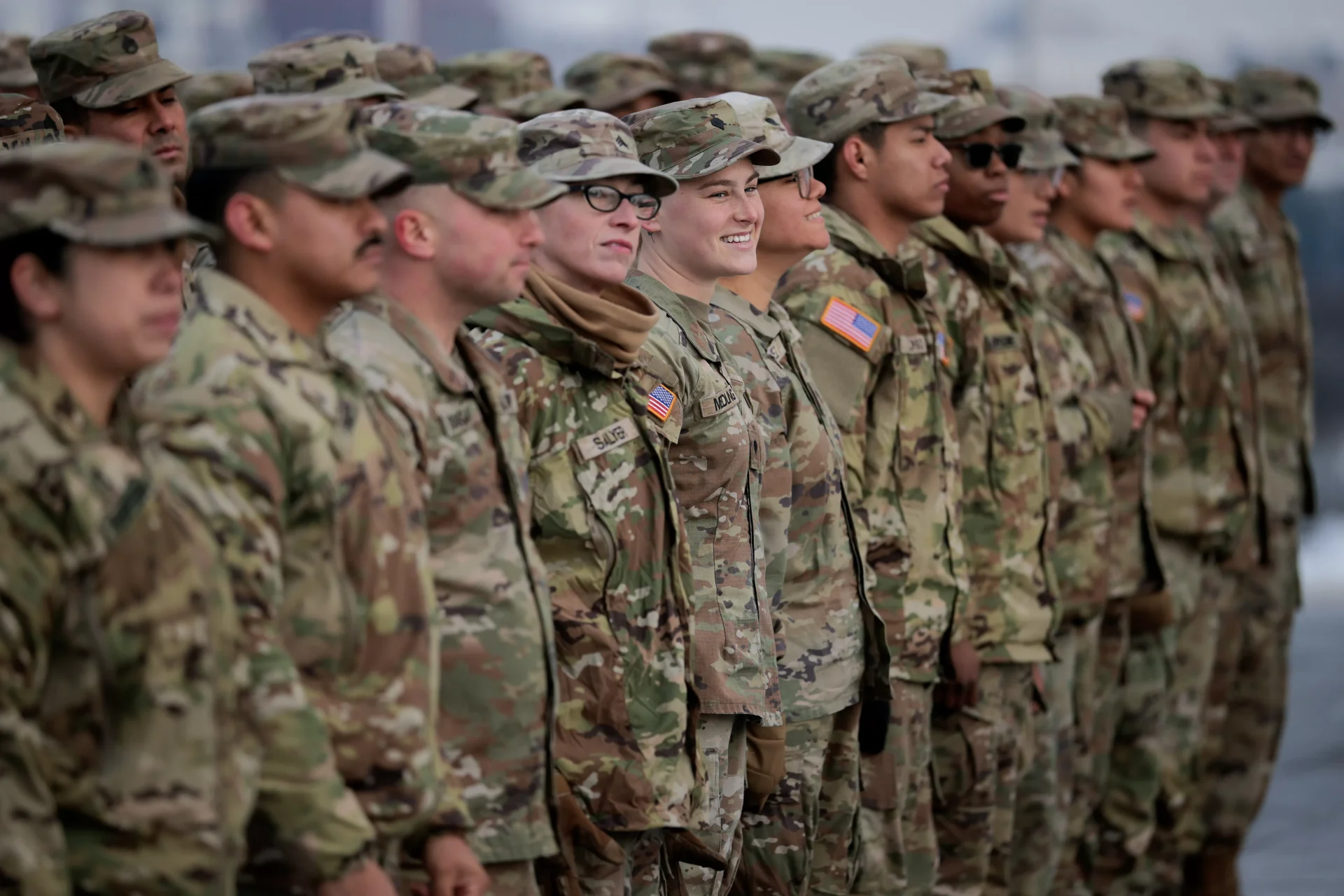
Furthermore, this new process will also include women in the registration and the potential draft process. The decision to include women in the draft has been a topic of debate for many years, and this change makes it a possibility. This will not only promote gender equality but will also provide a more accurate representation of the eligible population.
The Selective Service System has stated that this change will also improve their ability to respond quickly in case of a national emergency. Instead of spending time and resources on identifying and registering eligible individuals, the agency will be able to focus on the more critical aspects of the draft process.
In addition to these practical benefits, this change will also have a positive impact on the morale of the armed forces. Currently, it is perceived that only a small section of the population is responsible for serving in the military. With this change, there will be a sense of shared responsibility and a feeling of unity among all eligible individuals.
Some may argue that this change takes away individual freedom and choice. However, it should be noted that registering for the Selective Service does not mean an individual will be drafted. It simply means that they are part of the pool of eligible individuals in case the need arises. Those who are morally or religiously opposed to fighting in a war will still have the option to apply for an exemption.
In conclusion, the decision to shift responsibility for registration from the individual to the Selective Service System is a positive change that will bring numerous benefits. From increased accuracy and efficiency to promoting gender equality and unity, this change will ensure that the draft process is fair and efficient for all parties involved. It is a step towards a stronger and more prepared nation, and we should all welcome it with open arms.
