
The International Union for Conservation of Nature (IUCN) has recently released an updated Red List status for three of Antarctica’s most iconic species. This comes after a dire assessment of their future prospects under the looming threat of climate change. The news may be concerning, but it also serves as a call to action for all of us to do our part in protecting these magnificent creatures.
The three species in question are the Adélie penguin, the emperor penguin, and the Weddell seal. These animals are not only beloved symbols of Antarctica, but they also play crucial roles in the delicate ecosystem of the continent. However, their populations have been declining due to the effects of climate change, and the IUCN has taken notice.
The Adélie penguin, known for its distinctive black and white markings, has been downgraded from “least concern” to “near threatened” on the Red List. This is due to the loss of sea ice, which is crucial for their breeding and foraging activities. As the ice melts, it becomes more difficult for the penguins to find food, and their populations suffer as a result.
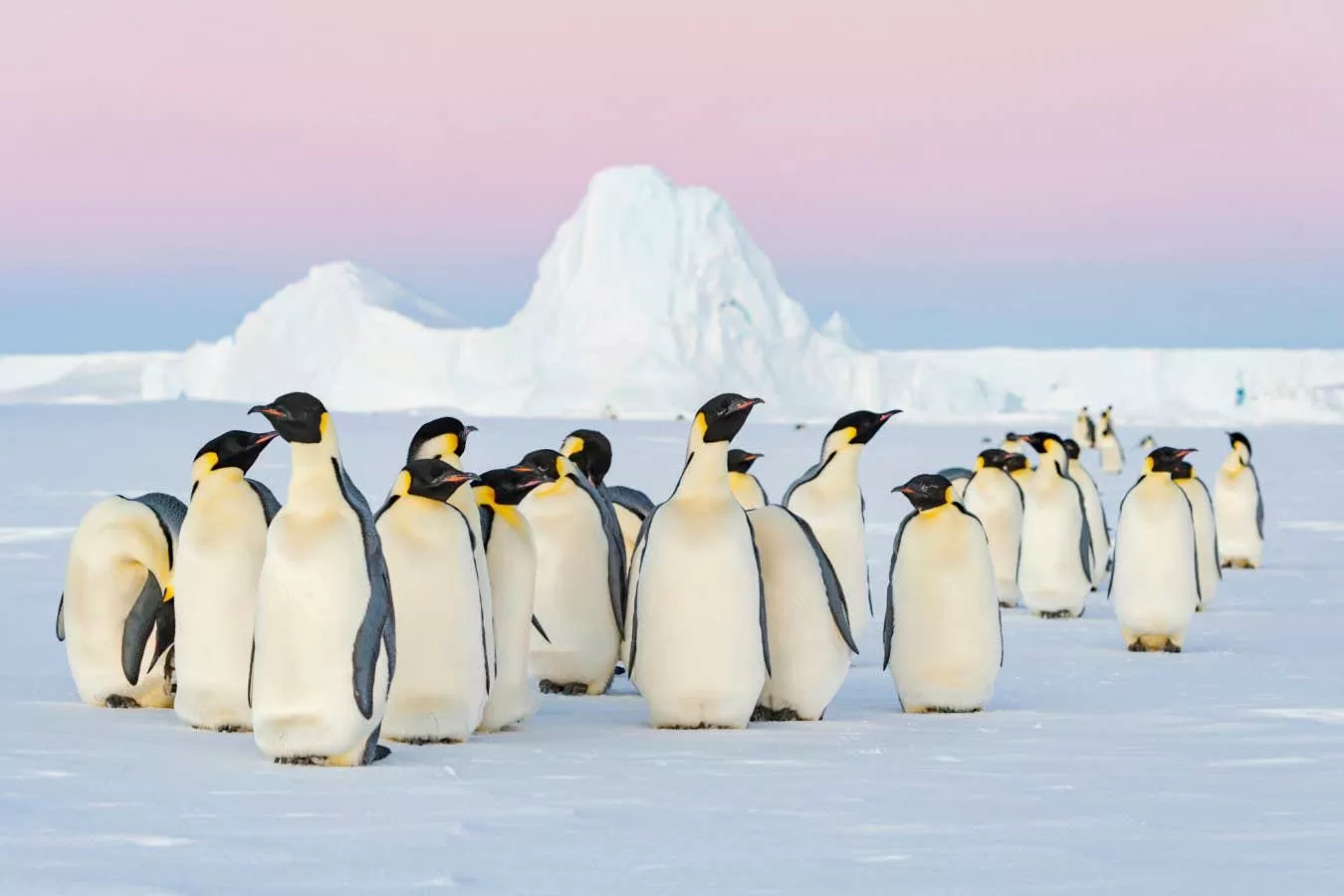
Similarly, the emperor penguin, the largest of all penguin species, has also been downgraded from “least concern” to “near threatened”. These majestic birds rely on sea ice for their survival, and with the warming temperatures, their habitat is shrinking. This not only affects their ability to find food but also their ability to breed and raise their young.
The Weddell seal, with its distinctive spotted coat, has also been downgraded from “least concern” to “near threatened”. These seals depend on sea ice for giving birth and raising their pups, and with the ice disappearing, their populations are declining. This is a concerning trend, as these seals are top predators in the Antarctic food chain, and their decline could have ripple effects on the entire ecosystem.
The IUCN’s assessment of these species’ Red List status is a wake-up call for all of us. It serves as a reminder that the effects of climate change are not just limited to the polar regions, but they have far-reaching consequences for the entire planet. It is a call to action for us to take immediate steps to reduce our carbon footprint and protect these vulnerable species.
The good news is that there is still time to make a difference. The IUCN has also highlighted that conservation efforts can help mitigate the effects of climate change on these species. By creating protected areas and implementing sustainable fishing practices, we can give these animals a fighting chance against the changing climate.
Moreover, the IUCN’s assessment also serves as a reminder of the importance of international cooperation in conservation efforts. Antarctica is a continent that belongs to no single nation, and it is crucial for all countries to come together and work towards protecting its unique and fragile ecosystem.
It is also important for us as individuals to do our part in protecting these species. We can start by making small changes in our daily lives, such as reducing our energy consumption, using sustainable transportation, and supporting organizations that work towards conservation efforts.
The IUCN’s updated Red List status for these three species may be a cause for concern, but it also presents an opportunity for us to take action. By working together, we can ensure that these iconic species continue to thrive in their natural habitat for generations to come. Let us not wait for the situation to become dire before we take action. The time to act is now, and every small step we take towards conservation can make a big difference. Let us all join hands in protecting Antarctica’s precious wildlife and preserving its beauty for future generations.
