
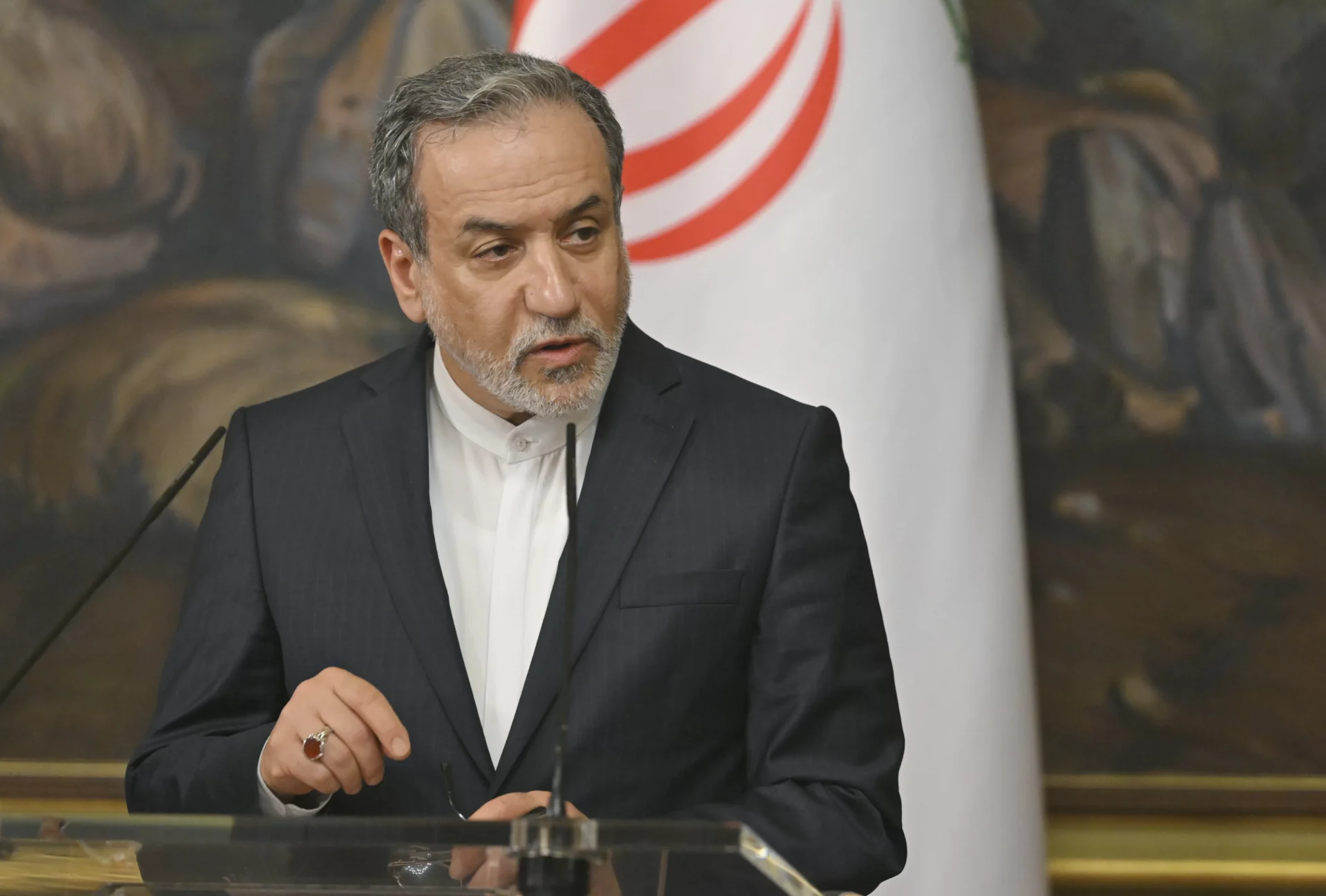
Iran has announced its intention to accept a two-week ceasefire, under certain conditions. This comes after months of rising tensions in the Gulf region, particularly around the Strait of Hormuz. The country’s Foreign Ministry stated that it would halt all military operations if attacks against its vessels and installations cease and the Strait of Hormuz is reopened for international trade.
This announcement is a significant step towards de-escalating the ongoing crisis in the Gulf. The Strait of Hormuz, a crucial waterway for global oil trade, has been at the center of tensions between Iran and the United States. The two countries have engaged in a war of words and military posturing, with both sides blaming each other for the recent attacks on oil tankers in the region.
Iran’s conditional acceptance of a ceasefire is a positive development and a clear indication of its willingness to find a peaceful resolution. The country’s Foreign Ministry spokesman, Abbas Mousavi, stated that Iran has always been open to dialogue and is ready to engage in constructive negotiations to address the current issues in the region. He also emphasized that Iran’s actions are solely in self-defense and in response to the provocations of other countries.
The decision to halt military operations is a clear message that Iran is committed to de-escalation and is ready to take concrete steps to achieve it. The Strait of Hormuz is a vital shipping route for the global economy, and any disruption to its operations can have serious consequences. By reopening the strait, Iran is not only promoting regional stability but also sending a message of reassurance to the international community that it is committed to maintaining the safety and security of vital waterways.
The announcement also highlights Iran’s responsible approach towards the current situation. Despite being subjected to harsh economic sanctions and mounting pressure from other countries, Iran has chosen to take a measured and diplomatic approach. This further highlights Iran’s commitment to finding a peaceful resolution and its willingness to work with other countries to achieve it.
Furthermore, Iran’s conditional acceptance of the ceasefire also shows its willingness to address the underlying issues that have led to the current crisis. By calling for an end to attacks on its vessels and installations, Iran is highlighting the need for mutual respect and cooperation among all countries in the region. This move is significant as it sets a positive tone for future negotiations and can pave the way for a lasting solution to the ongoing tensions in the Gulf.
The international community has also welcomed Iran’s announcement, with many countries expressing their support for the two-week ceasefire. The European Union has called on all parties to exercise restraint and work towards finding a peaceful resolution to the crisis. The United Nations Secretary-General, Antonio Guterres, has also commended Iran’s decision, stating that he hopes it will lead to a de-escalation of tensions in the region.
In conclusion, Iran’s conditional acceptance of a two-week ceasefire is a significant step towards de-escalating the ongoing crisis in the Gulf. It showcases Iran’s willingness to engage in dialogue and find a peaceful resolution to the current situation. By halting military operations and calling for the reopening of the Strait of Hormuz, Iran is sending a message of responsibility and cooperation to the international community. This move is a positive development and can pave the way for a lasting solution to the tensions in the region. It is now up to all parties involved to seize this opportunity and work towards achieving lasting peace and stability in the Gulf.
