
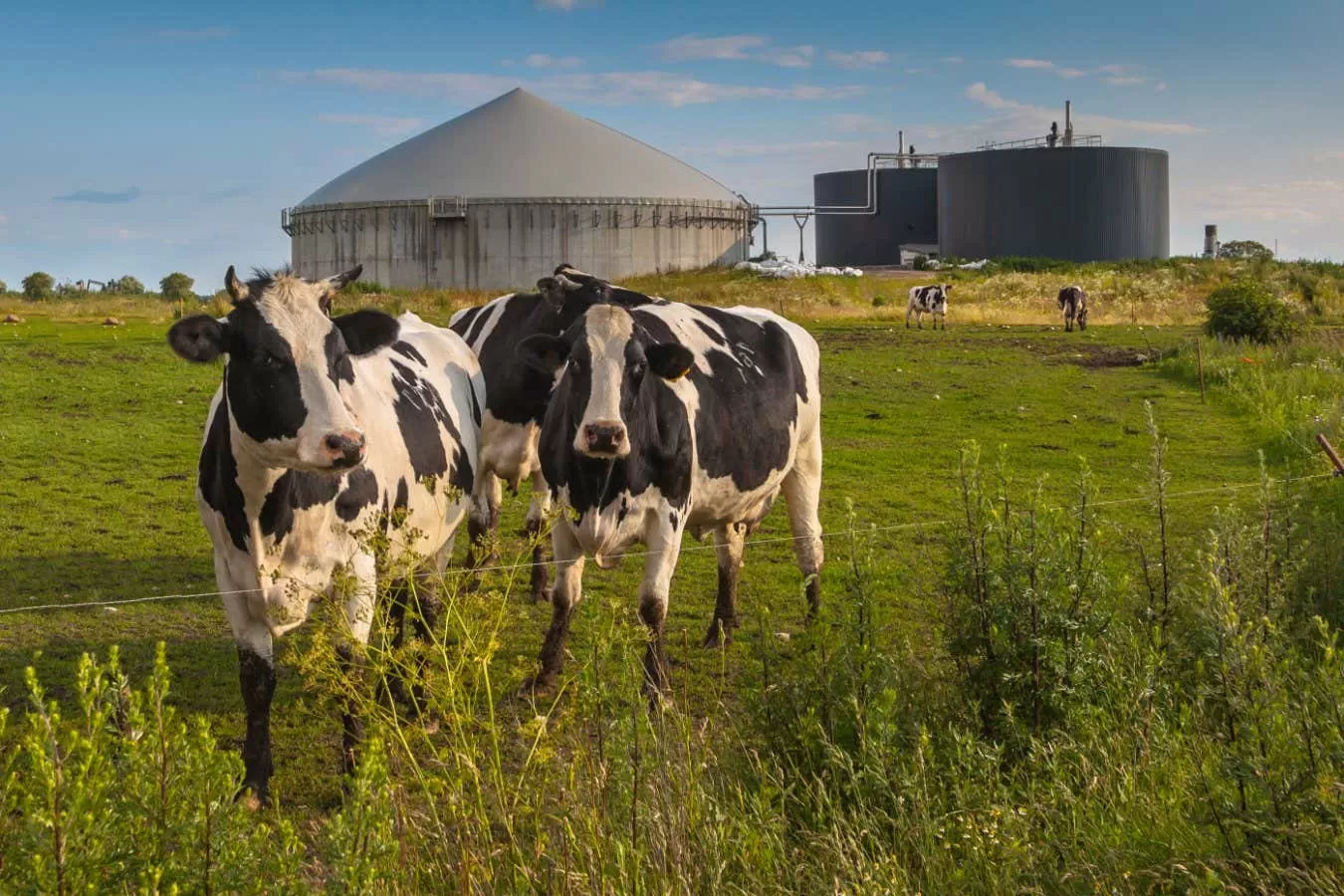
Over the years, concerns about environmental sustainability have led to the development of new technologies and practices in the agricultural sector. One such practice is the use of anaerobic digesters to convert manure into biogas, which not only reduces methane emissions from livestock but also provides renewable energy. While this has been a positive step towards mitigating the impact of livestock operations on the environment, it has also brought about unintended consequences. The availability of government incentives for the installation of anaerobic digesters has encouraged factory farms to get bigger, leading to a significant increase in the number of animals and, in turn, harming the environment. In this article, we will explore the benefits of anaerobic digesters, the problems associated with factory farms, and potential solutions to this issue.
First, let us understand how anaerobic digesters work and their contribution to reducing methane emissions. Anaerobic digesters are sealed tanks that break down organic materials, such as manure, without the presence of oxygen. This process produces biogas, which is a mixture of gases, primarily methane and carbon dioxide. Biogas can be used as a source of renewable energy, replacing fossil fuels, and thereby, reducing greenhouse gas emissions. Studies have shown that anaerobic digesters can reduce methane emissions from livestock by up to 90%. This is a significant achievement, considering methane is a potent greenhouse gas, with a global warming potential 28 times higher than carbon dioxide.
The use of anaerobic digesters has been widely adopted by livestock farmers due to the financial support provided by governments. In the United States, for instance, the federal government offers tax credits and grants to promote the use of anaerobic digesters in the agricultural sector. This has encouraged many farmers to invest in larger operations, with the aim of increasing the biogas production and, in turn, the financial benefits. However, this has led to an increase in the number of animals housed in these factory farms, which has its own set of problems.
Factory farms, also known as concentrated animal feeding operations (CAFOs), are large-scale facilities where animals are raised in confined spaces. These operations have been criticized for their negative impact on the environment, animal welfare, and public health. The increase in the number of animals in these farms has worsened these problems. The excessive amounts of manure produced by these animals result in high levels of air and water pollution. This not only affects the surrounding communities but also contributes to the emission of greenhouse gases, including methane. Additionally, factory farms are known for their inhumane treatment of animals, and the overcrowded conditions can lead to the spread of diseases, posing a threat to public health.
It is evident that the incentives provided for the installation of anaerobic digesters have had unintended consequences, promoting the growth of factory farms and worsening the already existing environmental and social problems. So, what can be done to address this issue? One solution could be to revise the eligibility criteria for government incentives. Instead of providing incentives based on the size of the operation, they could be given to farms that meet specific sustainability standards. This would encourage smaller, more sustainable operations to adopt anaerobic digesters while discouraging the growth of factory farms.
Another solution could be to introduce stricter regulations for factory farms. This could include limits on the number of animals housed, better manure management practices, and mandatory animal welfare standards. Government agencies could also monitor these operations regularly to ensure that they comply with these regulations. Such measures would not only address the environmental and social problems but also level the playing field for smaller, sustainable farms.
Moreover, educating farmers about the benefits of sustainable agriculture practices could also help in promoting a more sustainable approach to anaerobic digestion. This could involve training programs and workshops on sustainable manure management techniques and the benefits of smaller, diversified farming operations. This would not only help in reducing the reliance on factory farms but also provide a more holistic approach to sustainable agriculture.
In conclusion, while the use of anaerobic digesters has been a positive step towards reducing methane emissions from livestock, it has also led to the growth of factory farms. The availability of incentives has encouraged farmers to expand their operations, leading to environmental and social problems. However, by revising the eligibility criteria for incentives, introducing stricter regulations, and promoting sustainable farming practices, we can address these issues and promote a more sustainable approach to anaerobic digestion. It is essential to strike a balance
