
No matter where we get our food from, a significant portion of our diet is reliant on fossil fuels. From the production and transportation of crops to the packaging and distribution of food products, the use of fossil fuels is deeply ingrained in our food system. However, with the recent tensions in the Middle East and resulting oil shortage, it has become more evident than ever that we need to rethink our reliance on fossil fuels in order to tackle climate change.
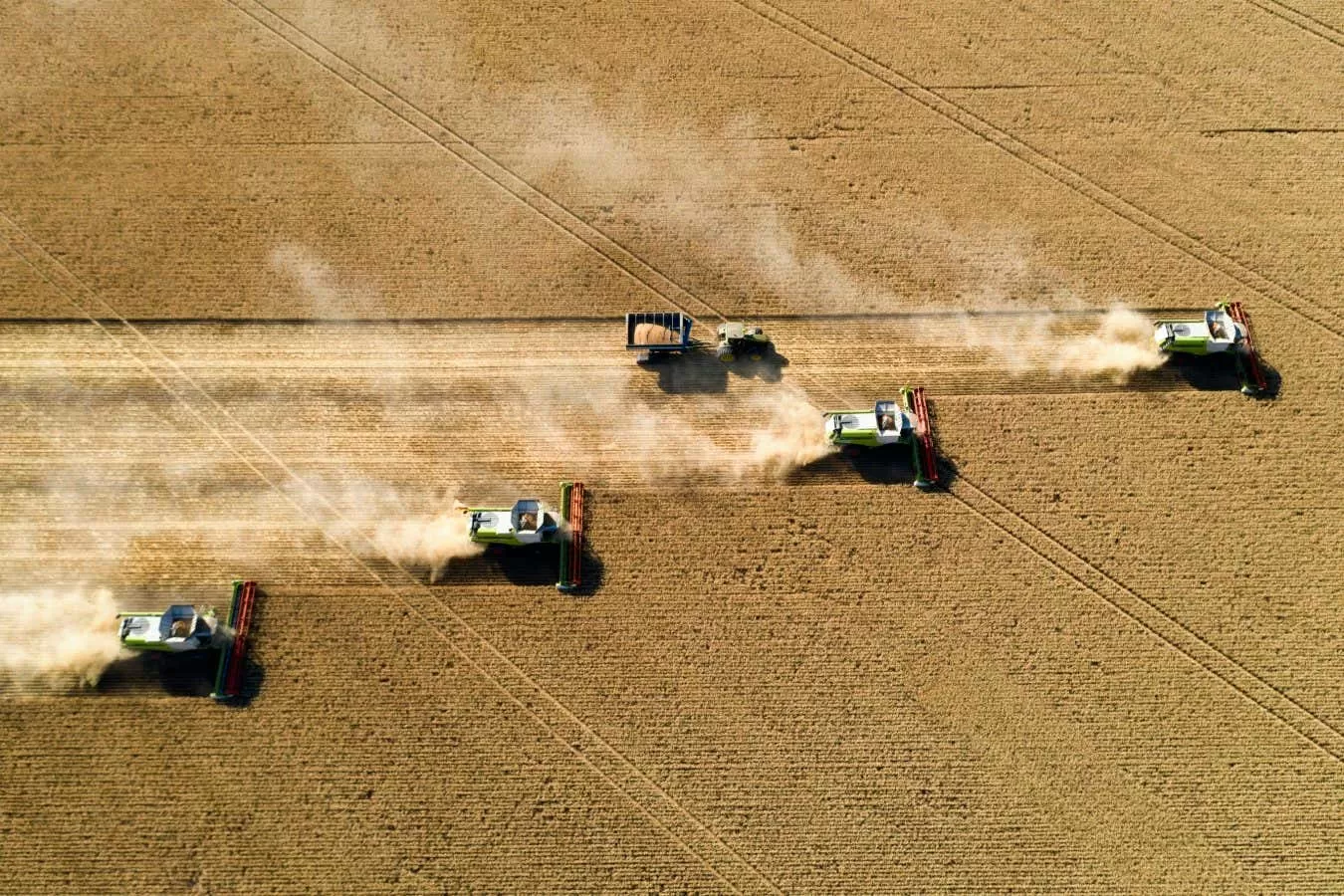
The link between food and fossil fuels may not be immediately apparent, but the truth is that our food system is heavily dependent on them. Fossil fuels are used in the production of fertilizers and pesticides, which are essential for large-scale agriculture. They are also used in the operation of farm machinery, transportation of crops to processing facilities, and the refrigeration and packaging of food products. Even the production of animal feed and the transportation of livestock rely heavily on fossil fuels.
This reliance on fossil fuels not only contributes to climate change but also makes our food system vulnerable to external factors such as political conflicts and oil shortages. The recent tensions between the United States and Iran have resulted in a sharp increase in oil prices, leading to concerns about the stability of our food supply. As the world’s population continues to grow and demand for food increases, the strain on our food system and its reliance on fossil fuels will only become more apparent.
But this is not just a problem for the future – it is a pressing issue that we need to address now. The effects of climate change are already being felt in the form of extreme weather events, crop failures, and food shortages. The use of fossil fuels in our food system also contributes to air and water pollution, further exacerbating the impacts of climate change on our health and the environment.
So, what can we do to tackle this issue? The first step is to reduce our overall reliance on fossil fuels. This can be achieved by adopting more sustainable farming practices such as organic farming, which eliminates the need for synthetic fertilizers and pesticides. It also involves supporting local and small-scale agriculture, which reduces the distance food needs to travel, thereby reducing the use of fossil fuels in transportation.
Another crucial aspect is to shift towards renewable energy sources. This includes using solar, wind, and hydro power to operate farm machinery and processing facilities. It also involves investing in renewable energy infrastructure to power our homes and businesses, reducing our overall demand for fossil fuels.
We also need to reduce food waste, which not only contributes to the emission of greenhouse gases but also wastes the energy and resources used in the production and transportation of food. By being mindful of our food consumption and properly storing and utilizing leftovers, we can significantly reduce our carbon footprint.
Moreover, we need to support and invest in research and development of alternative food production methods. This includes exploring the use of alternative protein sources such as plant-based and lab-grown meat, which have a lower carbon footprint compared to traditional livestock farming. It also involves promoting sustainable fishing practices and reducing the consumption of resource-intensive foods such as beef and dairy.
The recent tensions in the Middle East and resulting oil shortage have highlighted the urgent need to rethink our food system. We cannot continue to rely on fossil fuels as the primary source of energy in our food production and distribution. The consequences of climate change are becoming increasingly evident, and it is our responsibility to take action to reduce our impact on the planet.
Changing our food system may seem like a daunting task, but it is not impossible. By making small changes in our daily lives and supporting sustainable practices, we can make a significant impact. It is also essential for governments and businesses to take responsibility and invest in sustainable solutions for our food system.
In conclusion, the Iran war and resulting oil shortage have shed light on the urgent need to rethink our reliance on fossil fuels in our food system. We must take action now to reduce our carbon footprint and shift towards more sustainable practices. By doing so, we not only mitigate the effects of climate change but also create a more resilient and secure food system for the future. Let us work together towards a greener and more sustainable future for all.
