
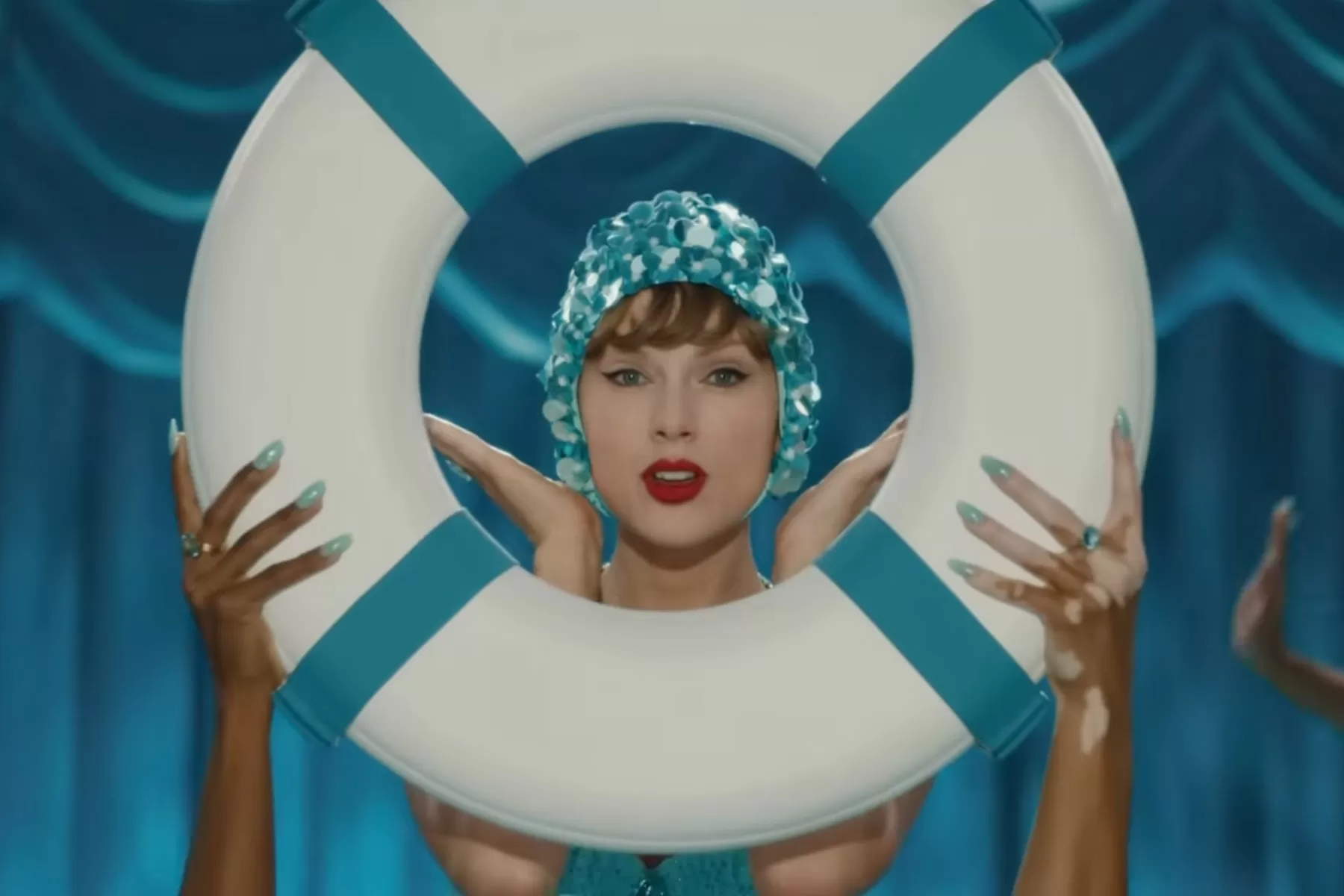
In the early days of MTV, music videos were a groundbreaking phenomenon. They not only provided a visual representation of a song, but also became a powerful marketing tool for artists. With the rise of digital media and streaming platforms, the music industry has undergone a major transformation. However, one thing remains constant – the value of music videos.
In the post-MTV age, music videos have evolved into a crucial element of an artist’s brand. They are no longer just a promotional tool, but a form of art that can enhance the overall experience of a song. With the rise of social media and the ability to share videos instantly, they have become an essential part of an artist’s marketing strategy.
Despite this, the days of superstar-level budgets for music videos are becoming increasingly rare. With the decline of traditional music channels and the rise of online streaming, the return on investment for expensive music videos is not as high as it used to be. This has led to a shift in the way music videos are produced and marketed.
Gone are the days of elaborate sets, expensive props, and A-list celebrity cameos. Instead, artists are opting for simpler, more creative and cost-effective ways to produce their music videos. This has not only allowed for more artistic freedom, but also opened up opportunities for up-and-coming artists to showcase their talent without breaking the bank.
One of the main reasons for this shift is the changing landscape of the music industry. With the rise of streaming platforms, artists are no longer dependent on music channels to promote their videos. They can now reach a global audience through social media and online platforms, making it easier to connect with fans and promote their music.
Moreover, the rise of DIY culture has also played a significant role in the production of music videos. With the availability of affordable equipment and editing software, artists are taking matters into their own hands and producing their own videos. This not only allows for more creative control, but also reduces production costs significantly.
However, this does not mean that music videos have lost their value. In fact, they have become more important than ever in the digital age. With the attention span of audiences becoming shorter, music videos provide a quick and engaging way to capture their attention. They also allow for a deeper connection between the artist and their fans, as they can visually interpret the message of the song.
Furthermore, music videos have become a way for artists to showcase their personality and brand. With the rise of social media, fans want to know more about their favorite artists and their personal lives. Music videos provide a platform for artists to express themselves and connect with their fans on a more personal level.
In addition, music videos have also become a source of revenue for artists. With the rise of online streaming, music videos are now monetized and can generate income for the artist. This has made it easier for artists to justify the production costs and continue to create visually stunning videos.
In conclusion, while the days of superstar-level budgets for music videos may be behind us, their value and importance in the music industry remains. They have evolved into a crucial element of an artist’s brand and provide a platform for creativity and self-expression. With the rise of digital media and the changing landscape of the music industry, music videos have adapted and continue to play a significant role in the promotion and success of an artist’s career. So, let’s embrace the post-MTV age and appreciate the value of music videos in the digital era.
