
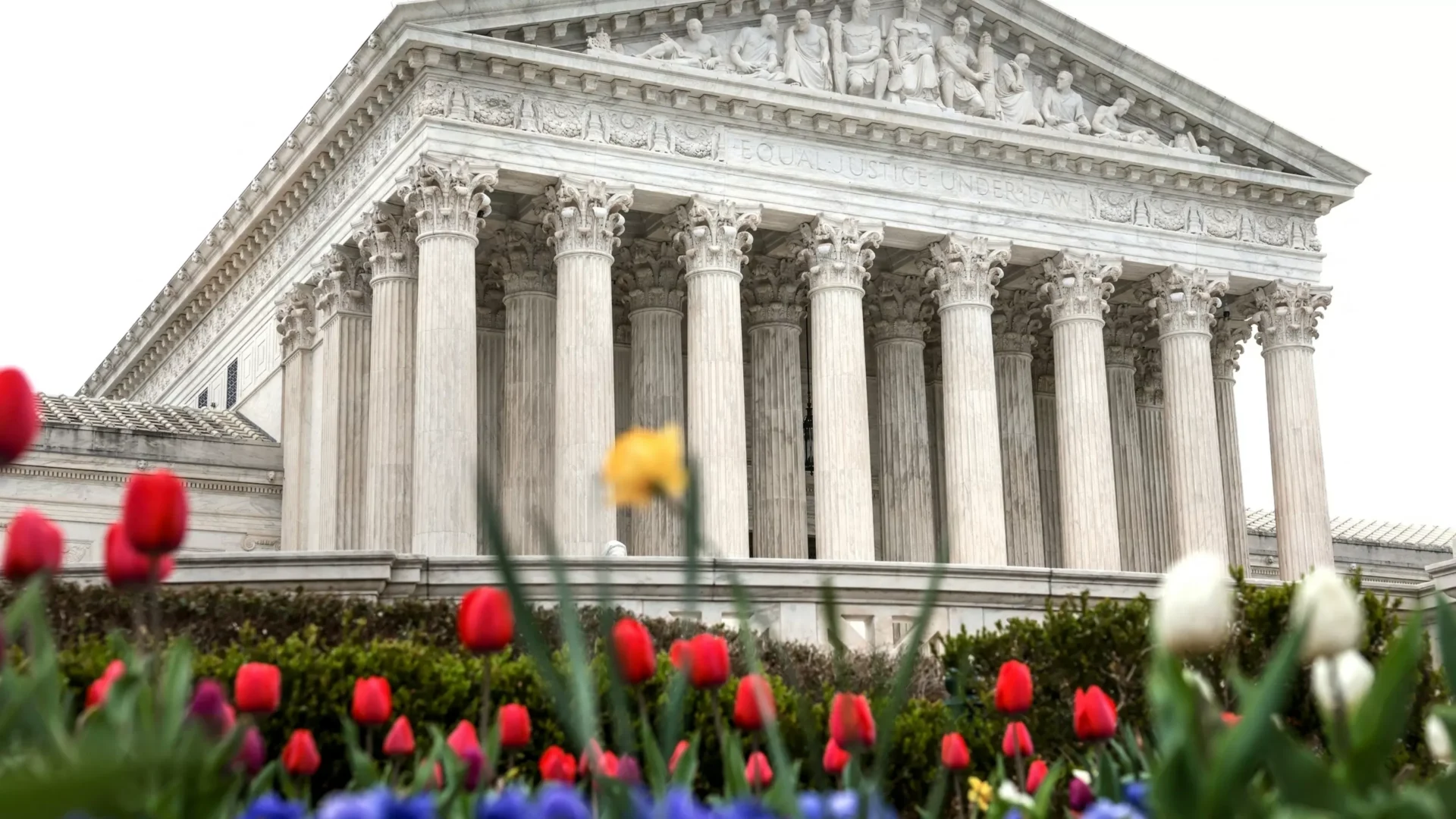
The Supreme Court of the United States has taken a significant step towards protecting the rights of counselors and therapists, as well as the freedom of speech guaranteed under the First Amendment of the US Constitution. In a landmark ruling, the Court has struck down Colorado’s ban on so-called “conversion therapy” for minors, stating that it violates the free speech rights of counselors.
For those who may not be aware, “conversion therapy” is a controversial and highly criticized practice that claims to change a person’s sexual orientation or gender identity through therapy and counseling. The American Psychological Association and other major medical associations have denounced this practice as ineffective and harmful, especially when used on minors who are often coerced into undergoing it by their parents or guardians.
However, the state of Colorado had taken a decisive step towards protecting minors from this practice by banning it in 2019. The ban stated that any licensed therapist or counselor who attempts to change a minor’s sexual orientation or gender identity would be subject to disciplinary action. This move was seen as a crucial step towards protecting vulnerable young individuals from being subjected to conversion therapy.
But the ban faced a legal challenge, with a group of therapists and religious organizations filing a lawsuit, claiming that it infringed upon their First Amendment rights to free speech. And in a 6-3 decision, the Supreme Court agreed with them, stating that the ban was an unconstitutional restriction on their freedom of speech.
The Court’s opinion, written by Justice Clarence Thomas, argued that the ban put a direct restriction on the counselors’ ability to communicate their views on sexuality and gender identity, as well as their preferred methods of treatment. It also stated that the ban was too broad and could potentially prohibit therapists from expressing even their religious beliefs on these matters.
Critics of the ruling argue that it opens the door for therapists and counselors to continue practicing conversion therapy on minors, which the American Psychological Association has called harmful and ineffective. They fear that this decision will have severe consequences for the mental health of young individuals struggling with their sexual orientation or gender identity.
On the other hand, advocates for the ban and LGBTQ+ rights have expressed disappointment and concern over the Supreme Court’s decision. They argue that this ruling undermines the efforts of states to protect vulnerable minors and sends a dangerous message that harmful and discriminatory practices such as conversion therapy are acceptable.
However, it is essential to note that the Supreme Court’s decision does not completely ban states from regulating therapists and counselors who practice conversion therapy. The ruling only applies to this specific ban in Colorado, and other states are still free to create their own laws and regulations to protect minors from this harmful practice.
It is also crucial to recognize that this ruling does not endorse or support conversion therapy in any way. The American Psychological Association and other medical associations have still denounced it, and therapists who choose to practice it could face ethical and professional consequences.
The Supreme Court’s decision has sparked an important conversation about the delicate balance between protecting vulnerable individuals and preserving the free speech rights of counselors. It has also highlighted the need for more widespread education on sexual orientation and gender identity, as well as the harmful effects of conversion therapy.
In conclusion, the Supreme Court’s decision to strike down Colorado’s ban on conversion therapy for minors has been met with mixed reactions. While it is a significant win for therapists and their freedom of speech, it raises concerns about the well-being of young individuals who may be subjected to this harmful practice. It is now up to states to find a way to protect minors while also respecting the rights of their therapists.
