
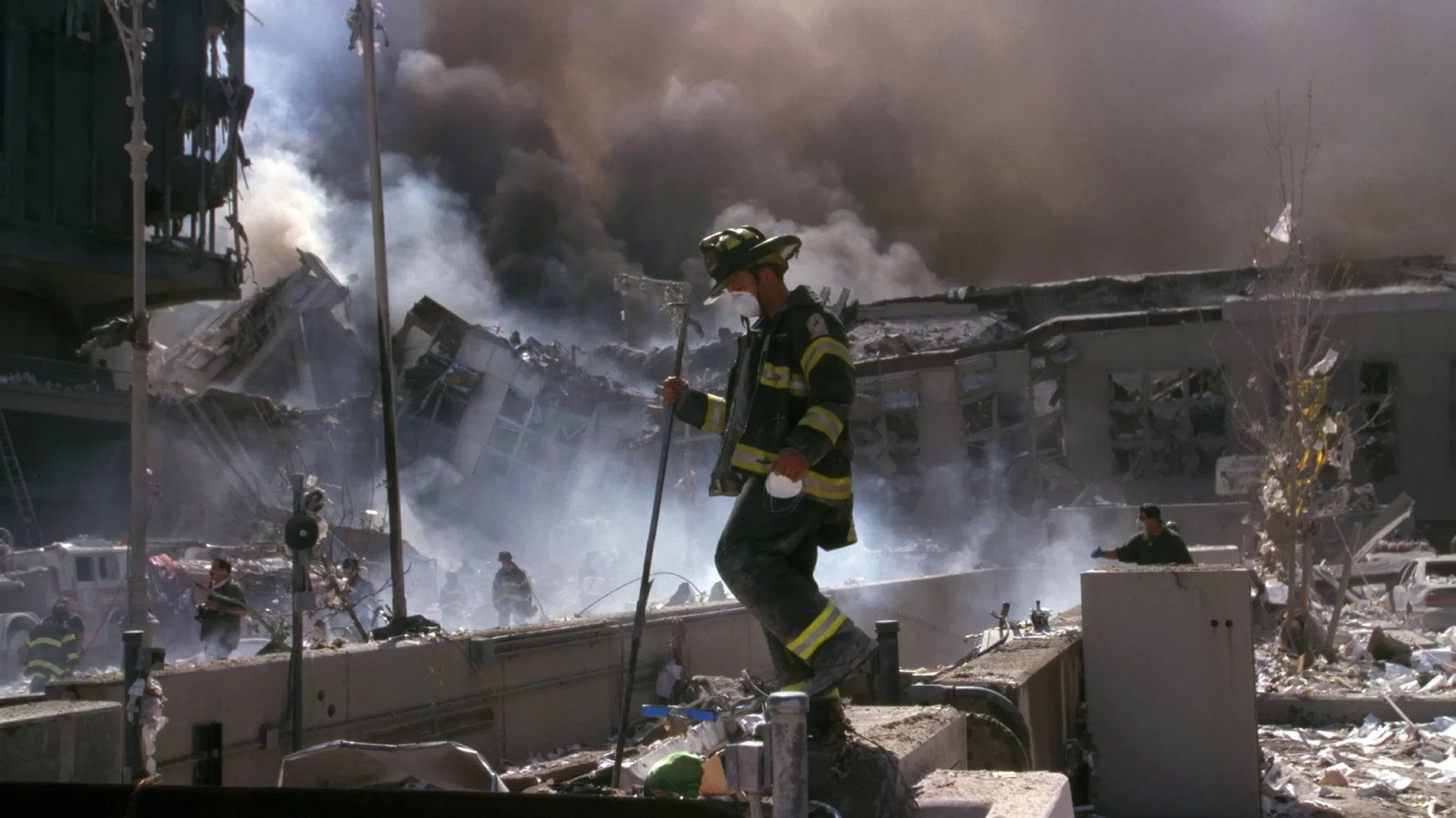
The tragic events of September 11, 2001 will forever be etched in the memories of people around the world. The devastating terrorist attacks not only claimed the lives of thousands of innocent people, but it also left a lasting impact on the physical and mental health of those who were present at the site. In the aftermath of the attacks, a program was established to provide support and assistance to the responders and survivors who were exposed to the toxic dust and debris at Ground Zero. Today, almost two decades later, this program continues to serve roughly 140,000 individuals battling cancers, respiratory illnesses, and other conditions linked to 9/11 exposure.
The World Trade Center Health Program (WTCHP) was created by the James Zadroga 9/11 Health and Compensation Act of 2010 in response to the growing health concerns of those who were exposed to the toxic substances at Ground Zero. The program provides medical monitoring, treatment, and compensation to responders and survivors who were at the site of the attacks, as well as those who lived or worked in the surrounding areas. It covers a wide range of health conditions, including respiratory illnesses, skin disorders, mental health disorders, and various types of cancer.
The WTCHP has been a lifeline for many responders and survivors who have been battling health issues since the attacks. Many of them were exposed to a toxic mix of dust, debris, and chemicals, which have resulted in long-term health consequences. The program has been instrumental in providing these individuals with the necessary medical care, which they otherwise would not have been able to afford. It has also been a source of emotional support for many who have been struggling to cope with the physical and mental toll of their 9/11 experiences.
One of the primary objectives of the WTCHP is to monitor the health of responders and survivors to ensure early detection and treatment of any health issues related to 9/11 exposure. This proactive approach has been crucial in identifying and treating health conditions before they become life-threatening. The program also offers a comprehensive treatment plan, including medication, therapy, and specialized care, to those who have been diagnosed with 9/11-related illnesses. This has enabled many individuals to regain their health and lead a better quality of life.
Moreover, the WTCHP also provides financial assistance to eligible individuals who have suffered economic losses due to their 9/11-related health issues. This has helped many responders and survivors who were forced to leave their jobs or face financial hardships due to their health conditions. The program also offers compensation for those who have lost a loved one due to a 9/11-related illness.
The impact of the WTCHP can be seen in the lives of the responders and survivors who have been benefiting from its services. For many, the program has been a beacon of hope and a source of comfort during their darkest times. It has not only provided them with vital medical care but has also given them a sense of belonging and support from a community of people who have gone through similar experiences.
The success of the WTCHP would not have been possible without the dedication and hard work of the healthcare professionals, researchers, and advocates who have been working tirelessly to improve the lives of responders and survivors. Their commitment to this cause has been commendable and has made a significant difference in the lives of those who have been affected by 9/11.
As we approach the 20th anniversary of the 9/11 attacks, it is essential to recognize the invaluable role of the WTCHP in supporting and caring for the responders and survivors. It serves as a reminder that even in the face of tragedy, there is always hope and strength in coming together to provide support and care for those in need. The program continues to be a vital lifeline for the 140,000 responders and survivors, and its impact will be felt for years to come.
In conclusion, the World Trade Center Health Program has been a crucial source of support and assistance for responders and survivors battling health issues linked to the 9/11 attacks. It has been a testament to the unwavering determination and resilience of those who have been affected by the tragedy. As we remember the lives lost on that fateful day, let us also recognize and appreciate the role of the WTCHP in helping survivors and responders heal and move forward with their lives.
