
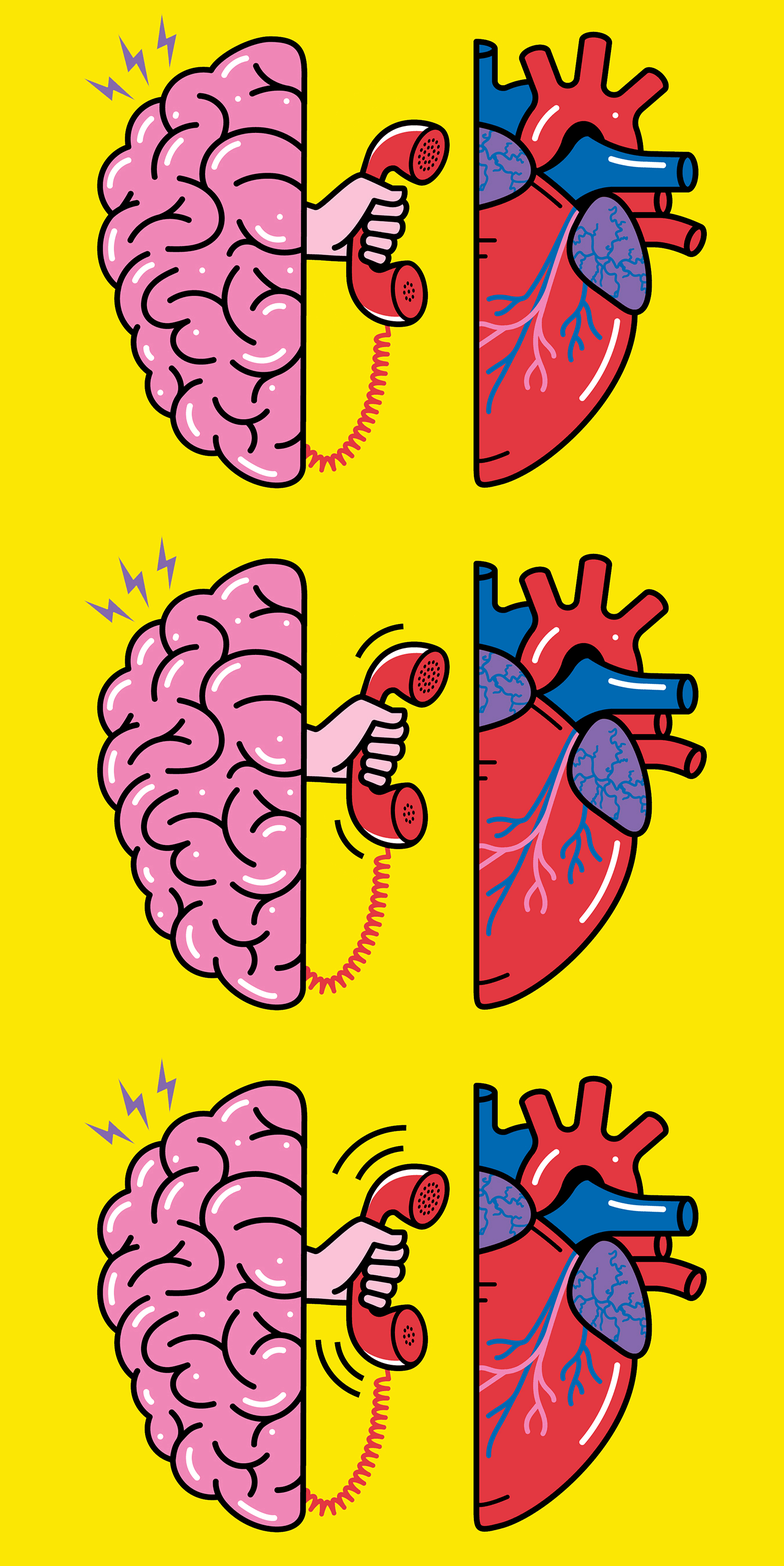
The human body is a complex and interconnected system, with each part playing a crucial role in our overall health and well-being. While we often think of the heart and brain as separate entities, the truth is that they are deeply linked and have a significant impact on each other. In recent years, research has shown that cognitive decline, mental health, and heart disease are all closely intertwined, with major implications for diagnoses and treatment.
Cognitive decline, or the gradual loss of cognitive abilities such as memory, thinking, and reasoning, is a common concern as we age. It can be caused by a variety of factors, including genetics, lifestyle choices, and underlying health conditions. However, recent studies have also shown a strong connection between cognitive decline and heart health. In fact, individuals with heart disease are at a higher risk of developing cognitive impairment and dementia.
One of the main reasons for this link is the role of the heart in supplying oxygen and nutrients to the brain. The brain is a highly metabolically active organ, and it requires a constant supply of oxygen and nutrients to function properly. The heart, as the body’s main pump, is responsible for delivering these essential elements to the brain through a network of blood vessels. Any disruption in this process, such as a blockage or narrowing of the arteries, can lead to reduced blood flow to the brain, resulting in cognitive decline.
Moreover, heart disease and cognitive decline share many risk factors, such as high blood pressure, diabetes, and obesity. These conditions can damage both the heart and the brain, leading to a vicious cycle of declining health. For instance, high blood pressure can damage the blood vessels in the brain, increasing the risk of stroke and cognitive impairment. Similarly, diabetes can cause damage to the small blood vessels in the brain, leading to cognitive decline.
Mental health is another crucial aspect that is closely linked to heart health. Mental health disorders, such as depression and anxiety, have been shown to increase the risk of heart disease. On the other hand, individuals with heart disease are more likely to experience mental health issues. This connection can be attributed to the shared risk factors, as well as the impact of chronic stress on both the heart and the brain.
Chronic stress, which is a common feature of modern life, can have a significant impact on our physical and mental health. When we experience stress, our body releases a hormone called cortisol, which can increase blood pressure and heart rate. Prolonged exposure to cortisol can damage the blood vessels and increase the risk of heart disease. Moreover, chronic stress can also affect the brain, leading to changes in brain structure and function, and increasing the risk of mental health disorders.
The deep links between the heart and brain have major implications for diagnoses and treatment. Traditionally, doctors have focused on treating heart disease and cognitive decline as separate conditions. However, with the growing evidence of their interconnection, a more holistic approach is needed. This means considering the impact of heart health on cognitive function and vice versa when making diagnoses and developing treatment plans.
For instance, individuals with heart disease may benefit from cognitive training and rehabilitation programs to improve their cognitive function. Similarly, those with cognitive decline may benefit from lifestyle changes, such as exercise and a heart-healthy diet, to improve their heart health. Moreover, addressing mental health issues, such as depression and anxiety, can also have a positive impact on both heart and brain health.
In conclusion, the deep links between the heart and brain have significant implications for our overall health and well-being. Cognitive decline, mental health, and heart disease are all closely intertwined, and addressing one aspect can have a positive impact on the others. As we continue to learn more about these connections, it is essential to take a holistic approach to our health, considering the interplay between the heart and brain. By doing so, we can improve our chances of living a long and healthy life.
