
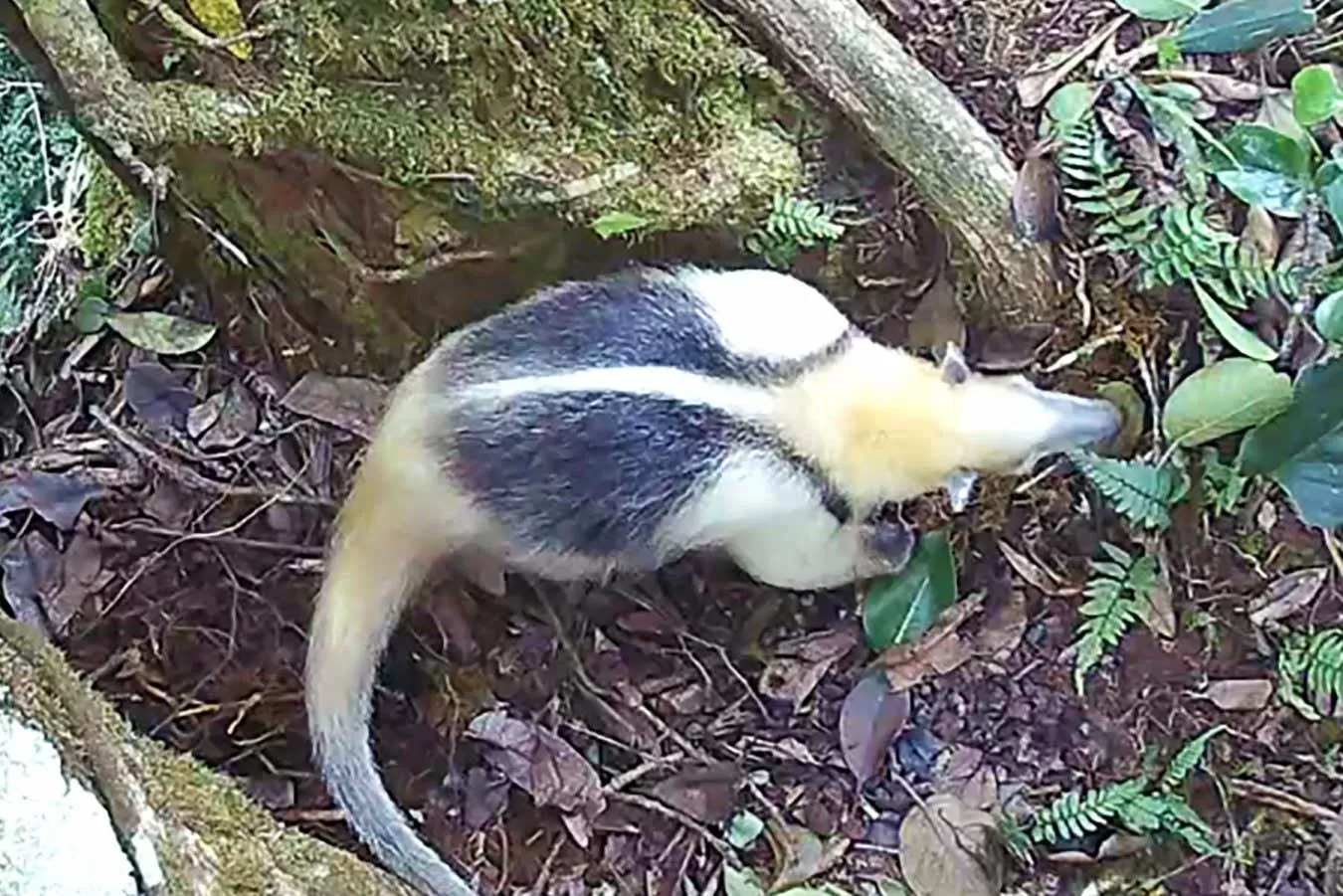
In the lush and biodiverse cloud forests of Costa Rica, there is a unique phenomenon taking place high up in the canopy. Among the dense foliage and towering trees, a complex system of communication is taking place between the resident animals, and it all centers around one particular plant – the strangler fig tree.
The strangler fig tree, also known as Ficus aurea, is a species of fig tree that is commonly found in the tropical rainforests of Central and South America. It is a remarkable tree, with its characteristic aerial roots that wrap around the trunks of other trees, eventually suffocating and replacing them. But it is not just its physical appearance that makes the strangler fig tree stand out. It also serves as a crucial hub for communication among the animals that call the cloud forest their home.
One of the most fascinating aspects of the strangler fig tree is the way it interacts with its surroundings. As it grows, it sends out aerial roots that wrap around other trees, eventually forming a dense network that can cover large areas of the forest. This creates a unique microhabitat within the canopy, providing a home for a variety of animals, including birds, insects, and mammals.
But what makes the strangler fig tree truly special is the way it serves as a message board for the animals that live among its branches. Many canopy-dwelling animals, such as monkeys, sloths, and birds, have been observed using the tree as a place to leave their droppings. This may seem like a strange behavior, but it serves an important purpose in the complex communication system of the cloud forest.
By leaving their droppings on the strangler fig tree, these animals are essentially leaving messages for others in the area. The droppings contain pheromones and other chemical signals that can convey important information, such as the animal’s sex, age, and reproductive status. This allows other animals to gather valuable information about potential mates, rivals, and predators without having to physically encounter them.
But the strangler fig tree doesn’t just serve as a message board for animals. It also plays a crucial role in the nutrient cycle of the forest. As the droppings decompose, they provide essential nutrients for the tree and its surrounding plants. This creates a symbiotic relationship between the tree and the animals that use it as a message board, ensuring the health and survival of both.
This intricate communication system is not limited to just the animals that use the strangler fig tree. It also extends to the insects that inhabit its branches. Ants, in particular, have been observed using the tree as a place to leave chemical trails, allowing them to navigate the dense forest and find food sources more efficiently. This further highlights the important role that the strangler fig tree plays in the complex ecosystem of the cloud forest.
The strangler fig tree is not the only plant that serves as a message board for animals in the cloud forest. Other species, such as the bromeliad plant, also play a similar role. But the strangler fig tree stands out due to its size and the sheer number of animals that use it as a communication hub. It is a testament to the incredible diversity and interconnectedness of life in the cloud forest.
In addition to its role in communication and nutrient cycling, the strangler fig tree also has medicinal properties. The sap of the tree has been used by indigenous communities in Costa Rica to treat various ailments, including skin infections and respiratory problems. This further highlights the importance of preserving these trees and the delicate ecosystem they support.
However, like many other species in the cloud forest, the strangler fig tree is facing threats from deforestation and climate change. It is crucial that we recognize the value of these trees and take steps to protect them and the biodiversity they support. By doing so, we can ensure that the unique communication system of the cloud forest continues to thrive and contribute to the health of the ecosystem.
In conclusion, the strangler fig tree is not just a remarkable plant, but a vital component of the complex ecosystem in the cloud forest of Costa Rica. Its role as a message board for animals highlights the interconnectedness of life in the forest and the importance of preserving it. So the next time you come across a strangler fig tree in the cloud forest, remember that it is not just a tree, but a hub of communication and a symbol of the incredible diversity of life on our planet.
