
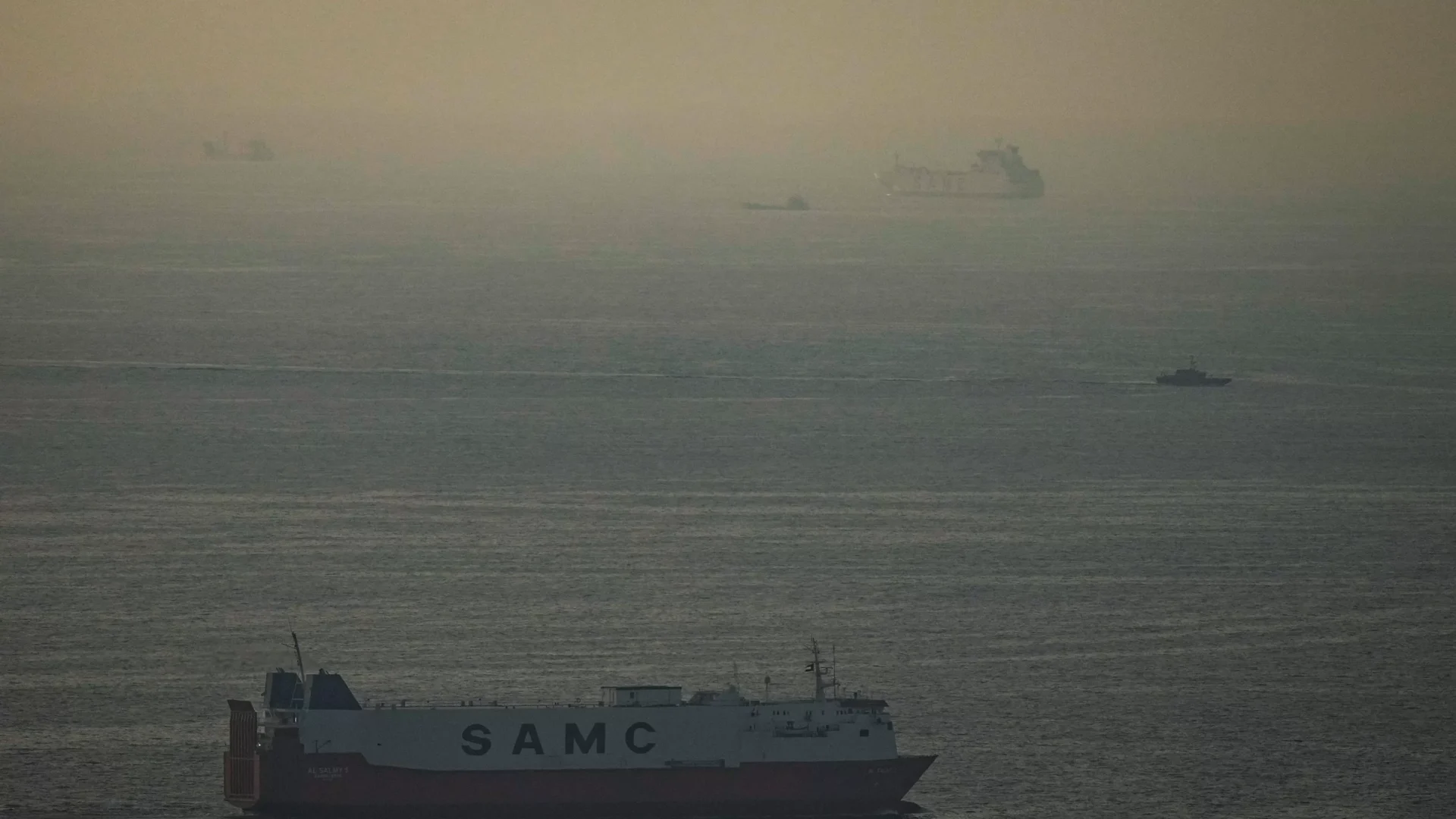
A recent U.N. Security Council resolution has sparked controversy and debate as it calls for countries to use “all necessary means” to keep the Strait of Hormuz open. This resolution has faced opposition for raising the possibility of U.N.-backed military action against Iran. While some countries have expressed concerns about the potential consequences of such action, it is important to understand the reasoning behind this resolution and the importance of keeping the Strait of Hormuz open.
The Strait of Hormuz is a narrow waterway located between Iran and Oman, connecting the Persian Gulf to the Gulf of Oman and the Arabian Sea. It is one of the most strategically important waterways in the world, with nearly one-fifth of the world’s oil passing through it. This makes it a vital lifeline for global energy supplies and the global economy as a whole.
However, recent tensions in the region have threatened the stability of the Strait of Hormuz. Iran has been accused of disrupting shipping in the area, with attacks on oil tankers and the seizure of a British-flagged tanker in July 2019. These actions have raised concerns about the safety of ships passing through the strait and have led to increased tensions between Iran and other countries, particularly the United States.
In response to these actions, the U.N. Security Council passed a resolution calling for countries to use “all necessary means” to keep the Strait of Hormuz open. This resolution was proposed by the United States and supported by several other countries, including the United Kingdom, France, and Germany. The aim of this resolution is to ensure the safe passage of ships through the strait and to prevent any further disruptions to global energy supplies.
However, this resolution has faced opposition from some countries, particularly Russia and China. These countries have expressed concerns about the potential consequences of using military force in the region and have called for a diplomatic solution to the issue. While it is important to consider all perspectives, it is crucial to understand the gravity of the situation and the potential consequences of inaction.
The disruption of shipping in the Strait of Hormuz not only affects the global economy but also poses a threat to regional stability. It is important to remember that the safety of ships passing through the strait is not just a concern for the countries involved, but for the entire international community. Any disruption to the flow of oil through the strait could have far-reaching consequences, including higher oil prices and potential conflicts.
Furthermore, the U.N. Security Council resolution does not automatically authorize military action against Iran. It simply calls for countries to use “all necessary means” to keep the strait open, which could include diplomatic efforts, economic sanctions, and other non-military measures. The resolution also emphasizes the need for a peaceful resolution to the issue and urges all parties to engage in dialogue to de-escalate tensions.
In conclusion, the U.N. Security Council resolution calling for countries to use “all necessary means” to keep the Strait of Hormuz open is a necessary step in ensuring the safety and stability of this vital waterway. While there may be concerns about the potential consequences of this resolution, it is important to remember the importance of keeping the strait open for the global economy and regional stability. It is also crucial for all parties involved to engage in dialogue and work towards a peaceful resolution to the issue. Let us hope that this resolution will lead to a safer and more stable Strait of Hormuz for the benefit of all.
