
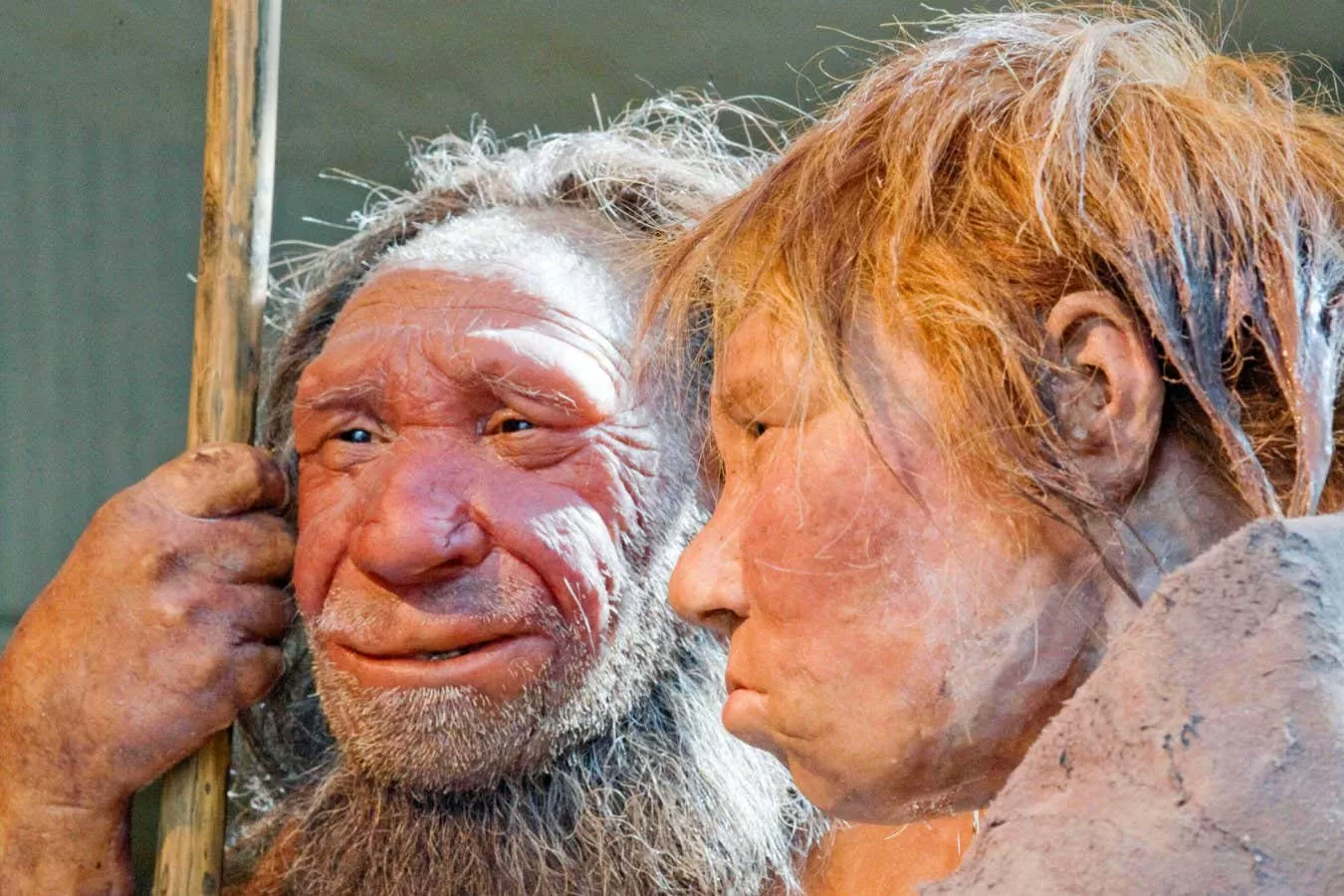
The Neanderthals, a species of intelligent beings who roamed the earth over 40,000 years ago, have long been a subject of fascination for scientists and the public alike. These ancient hominids shared the planet with our own species, Homo sapiens, for thousands of years before mysteriously disappearing. While there has been ongoing debate over the exact cause of their extinction, recent research suggests that a significant factor may have been a severe cold spell around 75,000 years ago. This sudden change in climate led to a decrease in the Neanderthal population and a loss of genetic diversity, potentially contributing to their eventual extinction.
The Neanderthals, named after the Neander Valley in Germany where their remains were first discovered in the mid-19th century, were a robust and adaptable species. They lived in various regions across Europe, Asia, and parts of the Middle East and were well adapted to harsh, cold environments. However, around 75,000 years ago, the planet was hit by a sudden and severe cold spell. This extreme cold lasted for several thousand years, dramatically altering the landscape and creating challenging living conditions for the Neanderthals.
During this period, known as Marine Isotope Stage (MIS) 4, the glaciers expanded, sea levels dropped, and temperatures plummeted. The Neanderthals, who were primarily adapted to living in colder climates, struggled to survive in the harsh conditions. Many of their usual food sources, such as large game animals, were scarce, forcing them to rely on less abundant resources. As a result, the Neanderthal population shrank, and their range was significantly reduced.
The decrease in population had profound effects on the Neanderthals’ genetic diversity. With fewer individuals, there was less interbreeding, leading to smaller gene pools and a reduced ability to adapt to changing environmental conditions. As a result, the Neanderthals became more susceptible to the challenges posed by the severe cold spell. This loss of genetic diversity likely played a significant role in their eventual extinction.
Furthermore, scientific evidence suggests that the Neanderthals were not the only species impacted by this cold spell. The cold conditions also had a severe impact on other animals, leading to a decline in their populations. This decreased availability of prey would have further exacerbated the Neanderthals’ struggles to survive. They also faced competition from our own species, Homo sapiens, who were better equipped to adapt to the changing environment.
To better understand the effects of this cold spell on the Neanderthals, scientists have been studying their genetic material. By analyzing the DNA of Neanderthal fossils, researchers can gain insights into their genetic diversity and how it changed over time. One study, published in the journal Science in 2017, found that the Neanderthals had low genetic diversity compared to modern humans. This suggests that their population may have been small and isolated, making them more vulnerable to environmental pressures.
While these findings shed light on the factors that may have contributed to the Neanderthals’ extinction, they do not tell the whole story. There are other theories regarding the causes of their demise, such as competition with our own species, interbreeding, and disease. However, the recent research on the effects of the MIS 4 cold spell provides compelling evidence in favor of the hypothesis that this event played a significant role in their extinction.
It is essential to note that despite their eventual extinction, the Neanderthals were a remarkable species. They were intelligent and resourceful, capable of surviving in challenging environments. They also had a rich and complex culture, with evidence of art, jewelry, and burial rituals. They were not primitive cavemen but a thriving species with a unique set of skills and abilities.
In recent years, there has been a renewed fascination with the Neanderthals, with numerous studies and discoveries shedding light on their lives and ultimate fate. Researchers are continually pushing the boundaries of our understanding of this ancient species, and the more we learn, the more wondrous they become.
In conclusion, the Neanderthal population shrank during a severe cold spell around 75,000 years ago, leading to a loss of genetic diversity that may have contributed to their eventual extinction. This event highlights the delicate balance of life on our planet and how environmental factors can have a significant impact on the survival of a species. The Neanderthals may be gone, but their legacy lives
