
A recent study conducted in the UK, Italy, and the Netherlands has revealed alarming results – one in every 10 homes tested had dangerous levels of benzene due to slow leaks from gas hobs and ovens. This news has raised concerns about the safety of gas appliances and the potential health risks they may pose to households across these countries.
Benzene is a colorless, highly flammable liquid that is commonly used as a solvent in industrial processes. It is also present in small amounts in gasoline and cigarette smoke. Exposure to high levels of benzene has been linked to serious health issues such as cancer, anemia, and neurological problems.
The study, which was conducted by a team of researchers from the University of Cambridge, involved testing the air quality in over 1,000 homes in the three countries. The results showed that 10% of the homes had benzene levels above the recommended limit set by the World Health Organization (WHO). These levels were deemed dangerous and could potentially put the health of the residents at risk.
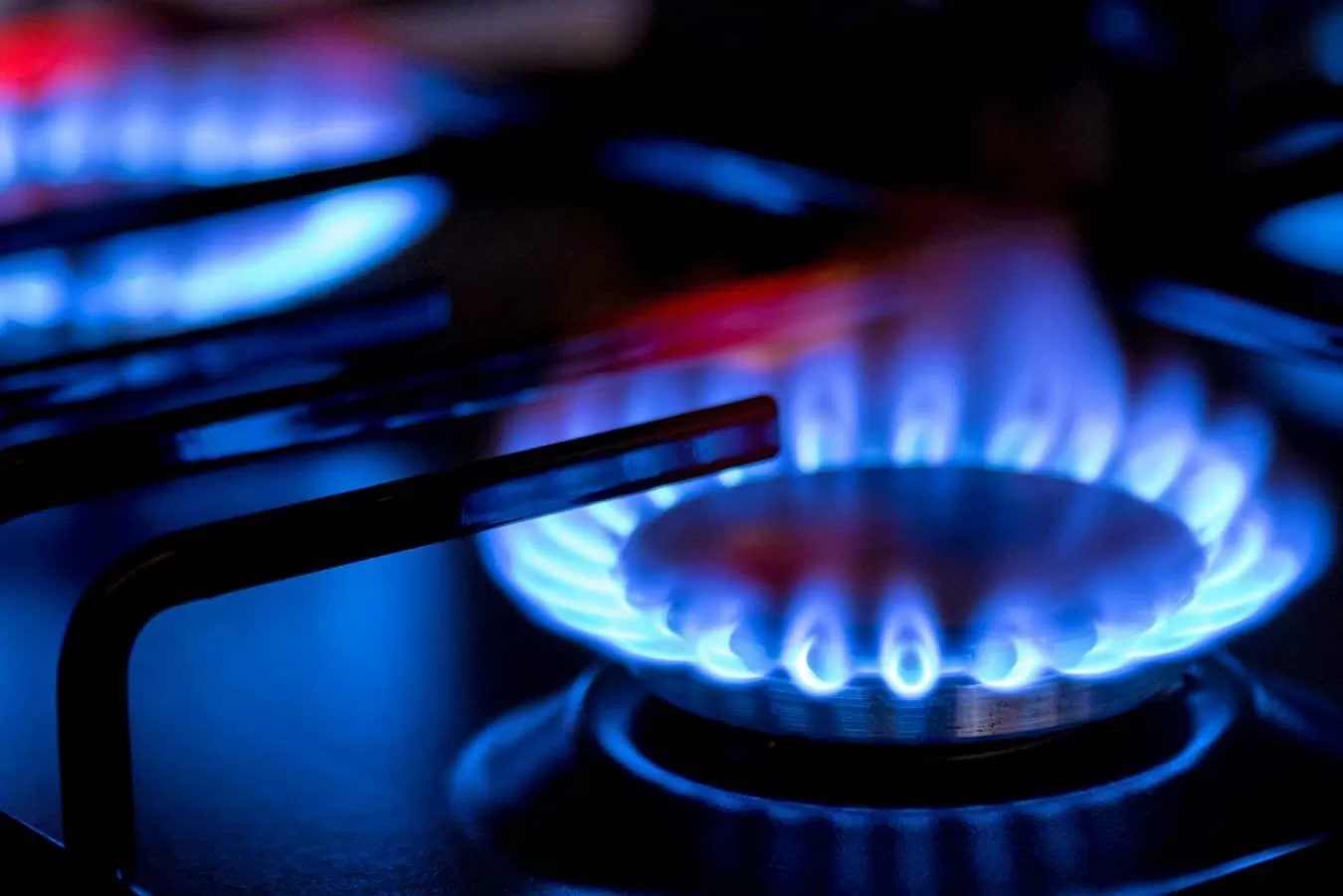
The main source of benzene in these homes was found to be gas hobs and ovens. The researchers discovered that slow leaks from these appliances were the primary cause of the high levels of benzene. This is a cause for concern as gas hobs and ovens are commonly used in households for cooking and can easily go unnoticed.
The study also found that the levels of benzene were higher in older homes and those with poor ventilation. This is because older gas appliances are more likely to have worn-out seals and connections, resulting in gas leaks. Poor ventilation in homes also contributes to the build-up of benzene, as it does not allow the gas to dissipate.
The findings of this study highlight the need for regular maintenance and checks of gas appliances in homes. It is crucial for households to ensure that their gas hobs and ovens are in good working condition and do not have any leaks. This can be done by having them inspected by a qualified gas engineer at least once a year.
The good news is that there are simple steps that households can take to reduce the risk of benzene exposure. These include ensuring proper ventilation in the kitchen, using the extractor fan while cooking, and not leaving gas hobs or ovens unattended. It is also essential to follow the manufacturer’s instructions for installation and use of gas appliances.
The governments of the UK, Italy, and the Netherlands are also taking action to address this issue. They have urged households to have their gas appliances regularly checked and have introduced stricter regulations for gas safety. The gas industry is also working towards developing safer and more efficient gas appliances to reduce the risk of leaks.
While the results of this study may be concerning, it is important to note that the majority of homes tested did not have dangerous levels of benzene. This shows that with proper maintenance and awareness, the risk of exposure to benzene can be significantly reduced.
In conclusion, the recent study on the levels of benzene in homes in the UK, Italy, and the Netherlands has shed light on a potential health hazard. It is crucial for households to take necessary precautions and have their gas appliances regularly checked to ensure the safety of their families. With the right measures in place, we can continue to enjoy the convenience of gas cooking without compromising our health. Let us work together towards a safer and healthier future for our homes.
