
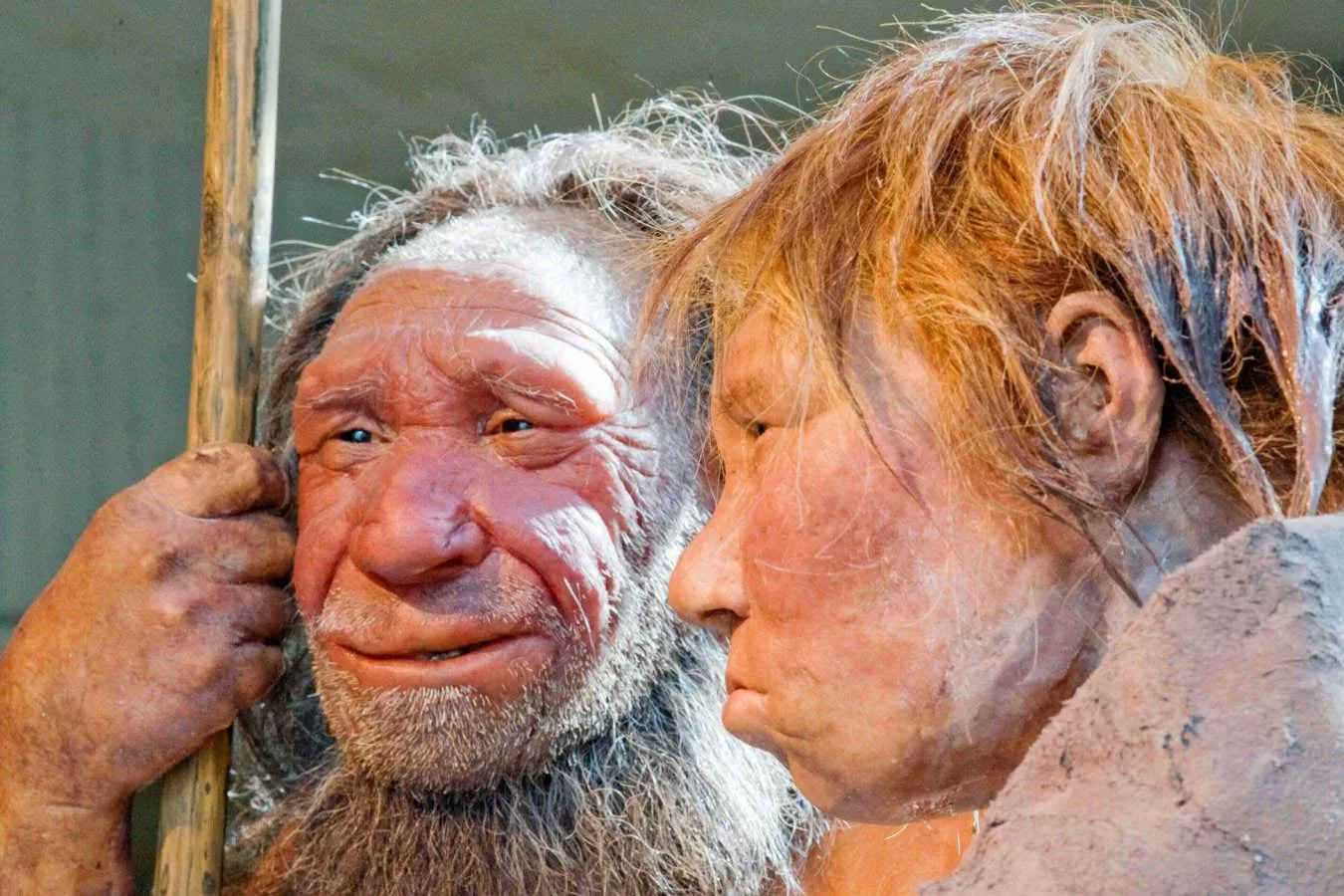
The Neanderthals, our ancient human cousins, have long fascinated scientists and the general public alike. With their robust bodies, large brains, and complex social behaviors, they have left an indelible mark on our understanding of human evolution. However, despite their impressive adaptations, the Neanderthals eventually went extinct, leaving behind a legacy that continues to intrigue and puzzle us.
Recent research has shed new light on the Neanderthal’s demise, revealing that their population suffered a significant decline around 75,000 years ago during a period of extreme cold. This decline, coupled with a loss of genetic diversity, may have played a crucial role in their eventual extinction.
The Neanderthals first appeared in Eurasia around 400,000 years ago, and for thousands of years, they thrived in a variety of environments, from the frigid tundras of northern Europe to the temperate forests of the Mediterranean. However, around 75,000 years ago, the Earth experienced a severe cold spell, known as Marine Isotope Stage 4 (MIS 4). This event, also known as the Last Glacial Maximum, was the coldest period of the last ice age, with temperatures dropping by as much as 10 degrees Celsius.
During this time, the Neanderthal population experienced a sharp decline, with their numbers dwindling to just a few thousand individuals. This decline was likely due to the harsh environmental conditions, which would have made it difficult for the Neanderthals to find food and shelter. As a result, their population became fragmented, with small groups scattered across Eurasia.
But the cold spell was not the only factor contributing to the Neanderthals’ decline. Recent studies have also shown that their genetic diversity had already been decreasing for thousands of years before the onset of MIS 4. This loss of genetic diversity would have made the Neanderthals more vulnerable to environmental changes and diseases, further weakening their already struggling population.
Genetic diversity refers to the variety of genetic traits within a population. It is essential for a species’ survival as it allows for adaptation to changing environments and provides a buffer against diseases. The Neanderthals’ loss of genetic diversity was likely due to their small population size and limited gene flow between different groups. As a result, they were less able to adapt to the harsh conditions of MIS 4, making their survival even more challenging.
The decline in genetic diversity can also have a cascading effect on a population. With fewer individuals carrying a diverse range of genetic traits, there is a higher chance of harmful genetic mutations being passed down to offspring. This can lead to a further decline in population size and a decrease in overall fitness, making it even more challenging for the species to survive.
The combination of the cold spell and the loss of genetic diversity may have been the final blow for the Neanderthals. As their numbers dwindled, they would have struggled to find mates and reproduce, leading to a further decline in population size. Eventually, they were unable to compete with our own species, Homo sapiens, who were better adapted to the changing environment and had a larger and more genetically diverse population.
The Neanderthals’ extinction has long been a subject of debate among scientists, with theories ranging from competition with Homo sapiens to climate change. However, this new research provides compelling evidence that the combination of a cold spell and a loss of genetic diversity played a significant role in their demise.
But the story of the Neanderthals does not end with their extinction. Their genetic legacy lives on in modern humans, with many people of Eurasian descent carrying a small percentage of Neanderthal DNA. This genetic exchange between our two species may have occurred during periods of interbreeding, providing further evidence of our shared history.
The Neanderthals may have disappeared from the Earth over 40,000 years ago, but their impact on our understanding of human evolution continues to this day. As we uncover more about their lives and their eventual extinction, we gain a deeper understanding of our own species’ origins and the importance of genetic diversity in ensuring our survival.
In conclusion, the Neanderthal population’s decline during the cold spell of MIS 4, coupled with a loss of genetic diversity, may have been the key factors contributing to their eventual extinction. This new research highlights the importance of genetic diversity in a species’ survival and serves as a reminder of the fragility of life on
