
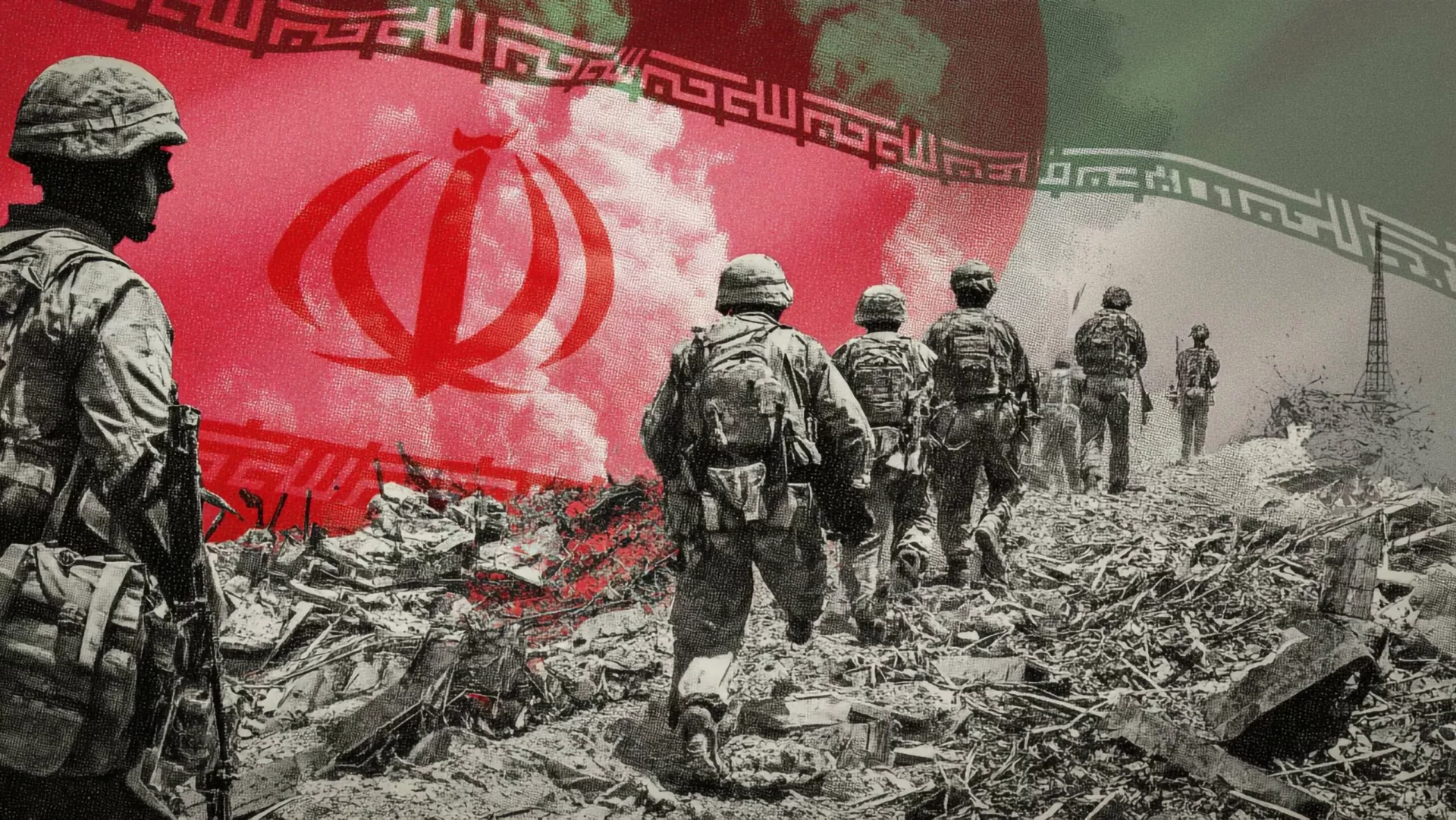
From Korea to Iran, the United States has been involved in numerous conflicts, often employing euphemisms to describe its actions. These euphemisms not only obscure the true nature of its wars but also bypass the constitutional limits that are meant to constrain them. This has been a concerning trend that has raised questions about the transparency and accountability of the US government.
Euphemisms are words or phrases used to replace harsh or unpleasant terms. In the context of war, they are often used to soften the language and make it more palatable to the public. However, in doing so, they also obscure the true intentions and consequences of the actions being taken.
One of the earliest examples of this was during the Korean War, when the US government referred to its involvement as a “police action” rather than a war. This term downplayed the severity of the conflict and implied that the US was simply trying to maintain law and order. In reality, it was a full-scale military intervention that resulted in millions of casualties.
Similarly, during the Vietnam War, the US government used the term “pacification” to describe its efforts to suppress the communist insurgency. This term gave the impression that the US was trying to bring peace and stability to the region, when in reality, it was a brutal and destructive war that caused immense suffering to the Vietnamese people.
In more recent times, the US has used euphemisms to justify its actions in the Middle East. In 2003, the US invaded Iraq under the guise of “Operation Iraqi Freedom”. This term gave the impression that the US was liberating the Iraqi people from an oppressive regime, when in reality, it was a premeditated and controversial invasion that resulted in years of turmoil and instability in the region.
Similarly, in 2011, the US led a NATO intervention in Libya, which was described as a “humanitarian intervention”. This term was used to justify the overthrow of Muammar Gaddafi’s regime, but it also bypassed the constitutional requirement for congressional approval for acts of war.
Most recently, the US has been involved in a conflict with Iran, which has been described as a “maximum pressure campaign”. This euphemism is used to downplay the severity of the situation and give the impression that the US is simply exerting pressure on the Iranian government. In reality, it has led to increased tensions and the risk of a full-scale war.
These euphemisms not only obscure the true nature of US military actions but also bypass the constitutional limits that are meant to constrain them. The US Constitution gives the power to declare war to Congress, yet many of these conflicts have been initiated without congressional approval. This raises questions about the accountability and transparency of the US government in its decision-making processes.
Moreover, these euphemisms also have a psychological impact on the public. By using softer language, the US government is able to garner support for its actions and downplay the consequences of war. It also creates a false sense of security and allows the government to continue its military interventions without facing significant opposition from the public.
In conclusion, from Korea to Iran, the US has employed countless euphemisms to describe its wars. These euphemisms not only obscure the true nature of its actions but also bypass the constitutional limits that are meant to constrain them. It is imperative that the US government is transparent and accountable in its actions, and that the public is aware of the true consequences of war. It is only through open and honest communication that we can strive towards a more peaceful and just world.
