
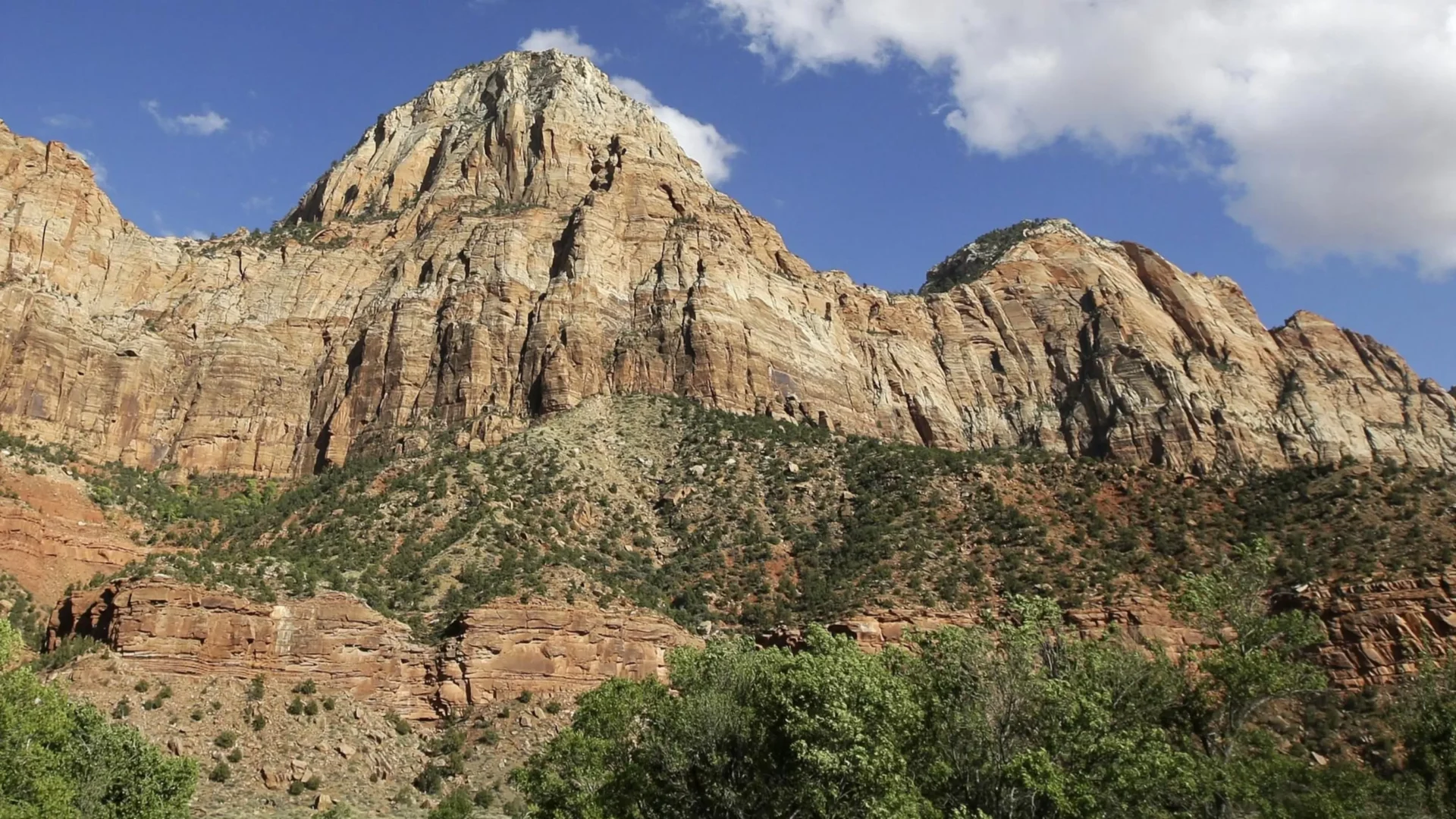
Conservationists are sounding the alarm as the Trump administration continues to roll back environmental protections, state by state, threatening the clear skies over our treasured national parks.
For decades, our country’s national parks have been a beacon of natural beauty and a symbol of our commitment to preserving the environment. However, recent changes in policy under the Trump administration are putting these landscapes at risk.
One of the key issues at hand is the Clean Air Act, which was signed into law in 1970 by President Richard Nixon. This landmark legislation aimed to reduce air pollution and protect public health and the environment. However, the current administration has been working to weaken key provisions of the act, which has raised serious concerns for conservationists.
According to a recent report by the National Parks Conservation Association (NPCA), the Environmental Protection Agency (EPA) under the Trump administration has weakened air pollution regulations that were designed to protect national parks. These regulations were put in place after decades of effort to clear the skies over our parks, which were once shrouded in smog and haze.
The NPCA report highlights the dangerous consequences of the administration’s actions, citing that over 90 percent of our country’s national parks are now plagued by air pollution. This includes popular destinations such as Great Smoky Mountains National Park, Yosemite National Park, and the Grand Canyon – all of which have seen a decline in air quality in recent years.
The NPCA notes that the main culprit behind this decline is the burning of fossil fuels, which releases harmful pollutants into the air. These pollutants not only harm the environment, but they also pose a serious threat to human health, especially for those who suffer from respiratory illnesses.
In addition to weakening the Clean Air Act, the Trump administration has also rolled back regulations on methane emissions, another major contributor to air pollution. Methane is a potent greenhouse gas that is estimated to be 84 times more damaging to the environment than carbon dioxide. By loosening regulations on methane emissions, the administration is further exacerbating air pollution and climate change.
The impact of these changes is not just limited to our national parks. The NPCA report highlights that air pollution from neighboring states can also have a significant effect on the air quality in our parks. This is especially concerning as the administration is also proposing to weaken regulations on cross-state air pollution.
Conservationists argue that these rollbacks not only endanger our environment, but also undermine the progress that has been made in improving air quality over the years. They are calling on the Trump administration to prioritize the health of our national parks and the well-being of the American people by upholding and strengthening environmental regulations.
Fortunately, not everyone is turning a blind eye to these issues. Several states, such as California, have taken steps to oppose the administration’s actions and protect their own air quality standards. In addition, numerous organizations, including the NPCA, are actively advocating for stronger environmental protections and holding the administration accountable for its actions.
It is clear that the Trump administration’s efforts to weaken environmental regulations are not only reckless, but also threaten the very essence of our nation’s natural beauty. As citizens, it is our responsibility to speak up and urge our leaders to take action to protect the health of our national parks and the air we breathe.
Our national parks are more than just picturesque landscapes; they are a testament to our commitment to preserving our planet for future generations. Let us not allow the current administration to undo decades of progress and put our parks, and the people who visit them, at risk. Together, we can and must work towards a cleaner, healthier future for our beloved national parks and our planet.
