
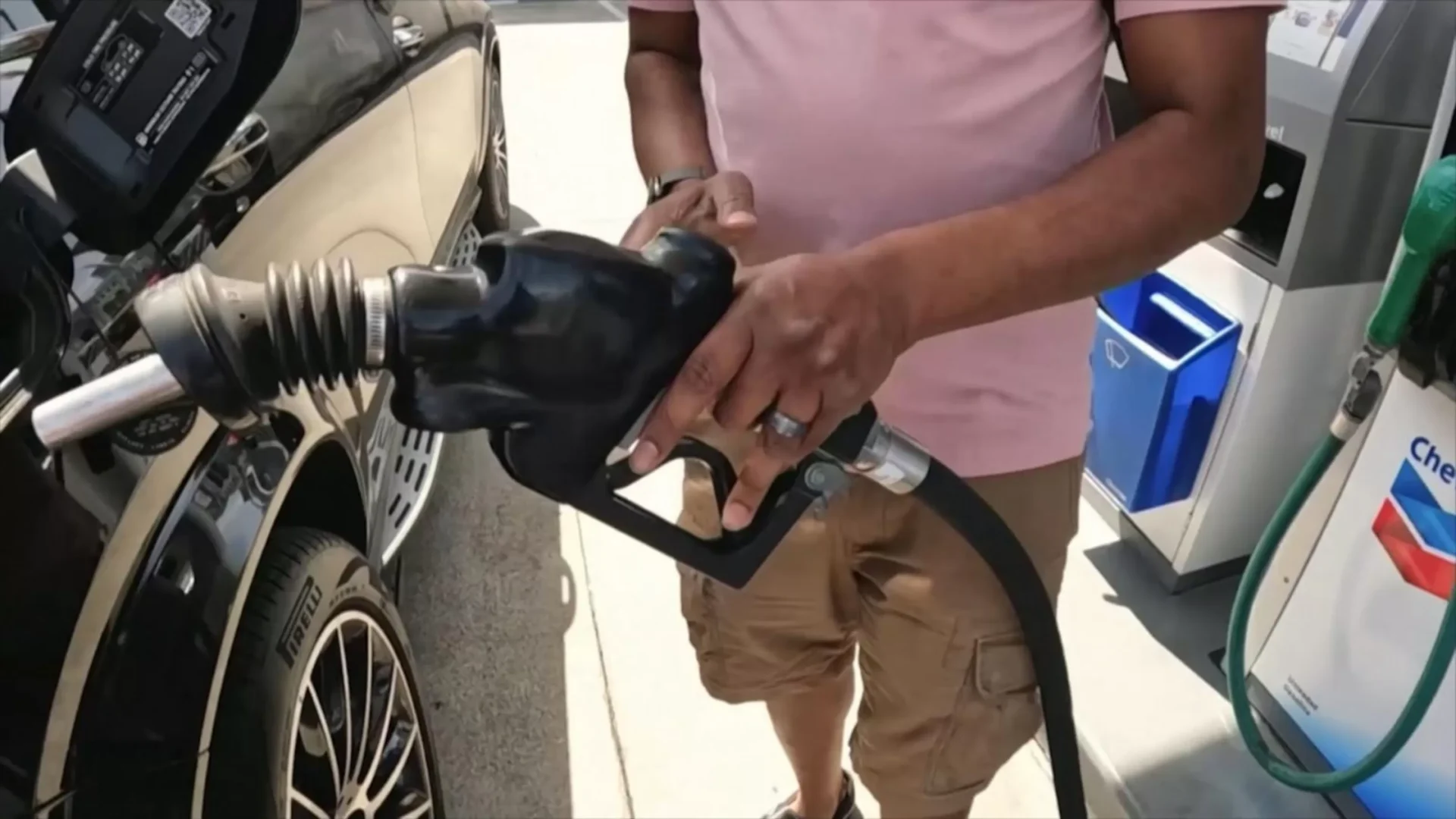
GasBuddy’s head of petroleum analysis, Patrick De Haan, has recently expressed concerns about the impact of the ongoing conflict in Iran on gas prices. According to De Haan, the longer the war continues, the more problematic it becomes for consumers.
Gas prices have always been a sensitive topic for consumers, with fluctuations often causing frustration and financial strain. However, the current situation in Iran has added a new layer of complexity to the issue. The tension between the United States and Iran has led to fears of potential supply disruptions and increased volatility in the oil market.
As the head of petroleum analysis at GasBuddy, De Haan closely monitors the factors that influence gas prices. In a recent interview, he stated that the situation in Iran is “far more problematic” than any other factor he has seen in his career. This statement is significant, considering De Haan’s extensive experience in the industry and his role in analyzing gas prices for GasBuddy, a leading source for real-time fuel prices and information.
De Haan’s concerns are not unfounded. The conflict in Iran has already caused a spike in gas prices, with the national average increasing by 3 cents in just one week. This may seem like a small increase, but it is significant when considering the impact on consumers’ wallets. With the average American household spending over $2,000 on gas annually, even a few cents increase can have a significant impact on their budget.
The ongoing conflict in Iran has also led to a rise in oil prices, which directly affects gas prices. Iran is one of the world’s largest oil producers, and any disruption in its production can have a ripple effect on the global oil market. This, coupled with the uncertainty surrounding the situation, has led to increased volatility in the market, making it challenging to predict future gas prices.
De Haan also pointed out that the longer the conflict continues, the more problematic it becomes for consumers. This is because gas prices tend to rise during times of uncertainty and conflict, and the longer the situation persists, the more likely it is to impact prices in the long term. This is a cause for concern for consumers who rely on gas for their daily commute or business operations.
However, De Haan also emphasized that the situation is not entirely bleak. He stated that if the conflict is resolved quickly, the impact on gas prices may be minimal. This is because the market is currently well-supplied, and there are enough reserves to meet any potential disruptions in supply. But if the conflict escalates or drags on, the situation could become more challenging for consumers.
In light of these concerns, De Haan urged consumers to stay informed and be mindful of their gas consumption. He advised drivers to consider carpooling, using public transportation, or opting for more fuel-efficient vehicles to mitigate the impact of potential price increases. He also recommended using GasBuddy’s real-time fuel prices and information to find the best deals and save money at the pump.
GasBuddy’s head of petroleum analysis also stressed the importance of diplomacy in resolving the conflict in Iran. He stated that a peaceful resolution would not only benefit global stability but also help keep gas prices in check. This sentiment is shared by many experts in the industry, who believe that a peaceful resolution is the best outcome for both consumers and the oil market.
In conclusion, GasBuddy’s head of petroleum analysis, Patrick De Haan, has raised valid concerns about the impact of the ongoing conflict in Iran on gas prices. The longer the situation persists, the more problematic it becomes for consumers. However, there is still hope for a peaceful resolution, which would benefit both global stability and gas prices. In the meantime, consumers are advised to stay informed and be mindful of their gas consumption to mitigate the impact of potential price increases.
